
Trump’s $1.8 Billion Reparations Fund for Proud Boys and Jan. 6 Rioters Sparks Fury While Black Americans Still Can’t Even Get a Slavery Study
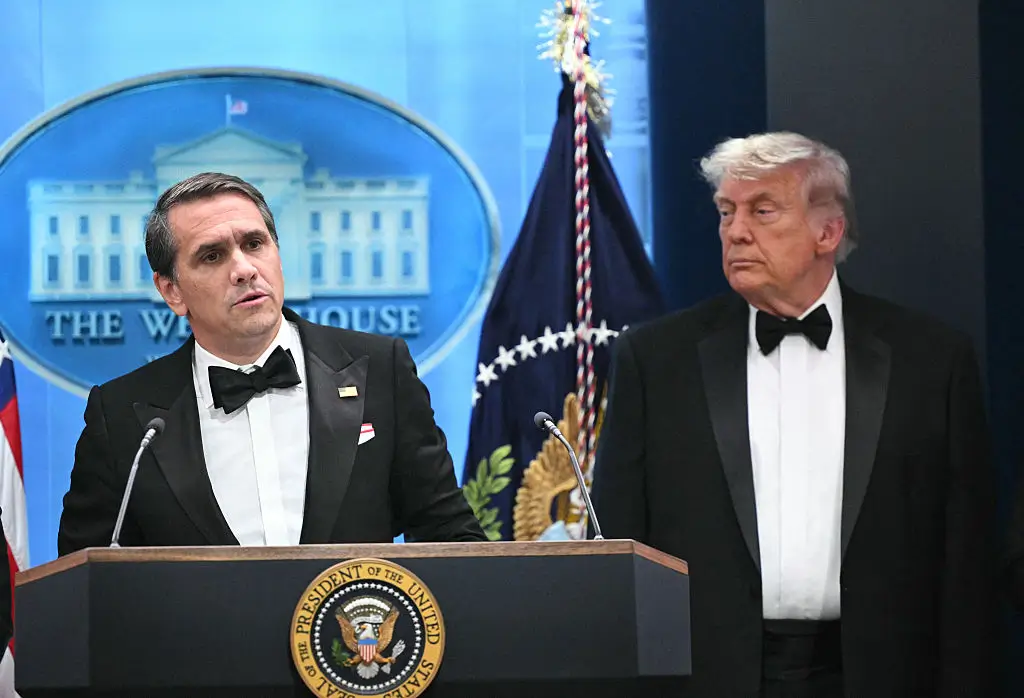
President Donald Trump’s controversial new $1.8 billion “Anti-Weaponization Fund” has already triggered outrage over the possibility that Jan. 6 rioters and Trump allies could collect taxpayer money.
But no one is asking how the country arrived at this moment before ever approving reparations for descendants of enslaved Black Americans.
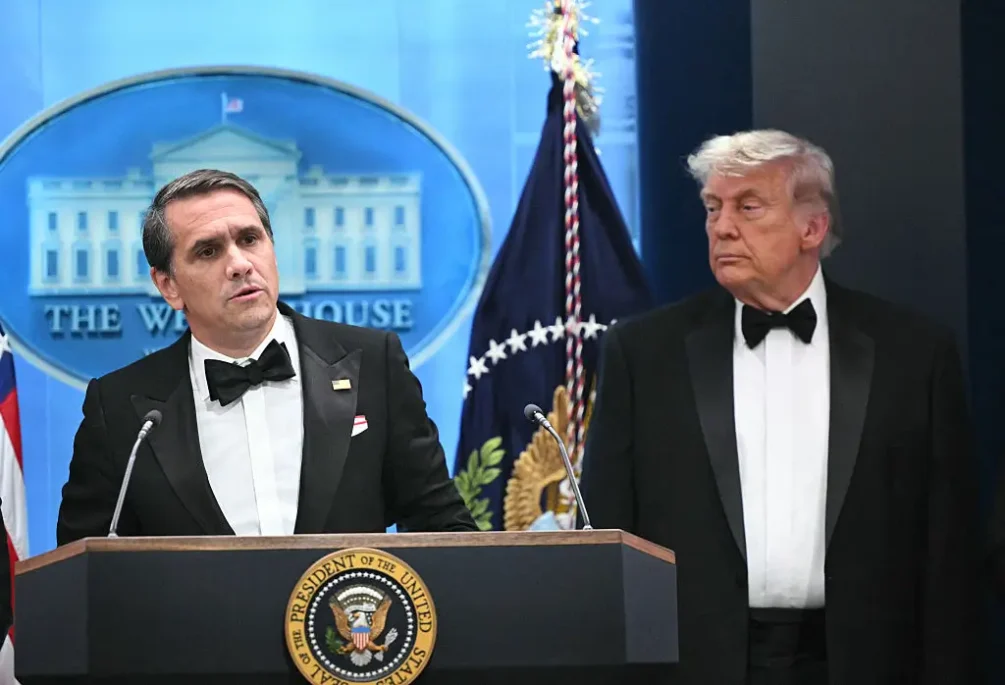
The backlash intensified after Trump’s Justice Department confirmed that virtually anyone claiming the government “wronged” them could apply for compensation through the massive $1.776 billion fund.
Members of the Proud Boys and other Jan. 6 defendants who stormed the Capitol, assaulted police officers, and tried to overturn a presidential election may now have a pathway to seek compensation from taxpayers before Black Americans whose families survived centuries of slavery, segregation, racial terrorism, and systemic discrimination ever receive reparations.
For decades, lawmakers and activists have struggled just to get Congress to seriously study reparations through legislation that would create a commission to examine the long-term damage caused by slavery and racist government policies.
The bill would not automatically hand out checks or create an immediate payout system. It would simply begin a formal federal study into slavery’s economic and generational impact on Black Americans.
Yet Congress has stalled those efforts for more than 30 years.
How Is This Happening First?
Meanwhile, Trump’s administration managed to create a nearly $1.8 billion taxpayer-backed fund for alleged victims of government “weaponization” with stunning speed.
Acting Attorney General Todd Blanche refused to explicitly rule out Jan. 6 rioters from applying for compensation. Blanche insisted that “anyone” could apply and acknowledged there were “no limitations on the claims.”
REID: You’re the nation’s top law enforcement official. Would you be okay with people who were convicted of hurting police getting taxpayer money?
BLANCHE: Just to be clear, people who hurt police get money all the time
REID:
pic.twitter.com/tzetOFEQRA
— Aaron Rupar (@atrupar) May 21, 2026
That answer immediately set off alarm bells because Trump has repeatedly described Jan. 6 defendants as political prisoners and called the Capitol riot “a day of love.”
Former Capitol Police Officer Harry Dunn and Metropolitan Police Officer Daniel Hodges responded by suing to block the fund, calling it “a taxpayer-funded slush fund to finance the insurrectionists and paramilitary groups” that attacked officers during the Capitol riot, The New York Times reports.
Even Republicans appear uncomfortable.
Senate Majority Leader John Thune admitted he was “not a big fan” of the fund, while Sen. Lisa Murkowski said she walked away from hearings with “more questions than answers,” MS Now reports.
‘A Totally Different Solar System’
Legal experts say the arrangement has no real precedent.
USC law professor Adam Zimmerman described the fund as existing in “a totally different solar system than any past government settlement on record.”
At the same time, Rep. Ayanna Pressley reintroduced the bill, H.R. 40, in January 2025, as reparations advocates continue pushing for the federal government to confront the economic damage slavery created for generations of Black Americans. The legislation was first introduced in 1989 by former Representative John Conyers.
Advocates often point to the racial wealth gap as evidence of slavery’s lasting impact. According to figures cited in the debate around H.R. 40, the median wealth of white households in America sits at more than nine times that of Black households.
For generations, Black Americans heard that reparations cost too much, created too many legal complications, divided the country, or lacked political support.
Then Washington suddenly found nearly $1.8 billion for people claiming political persecution.
And now some of the same people who marched through the Capitol carrying Confederate flags may potentially stand closer to government compensation than descendants of enslaved Black Americans.
Proud Boys Figure Says He Could Soon Cash In Big
Enrique Tarrio, the Proud Boys’ former leader sentenced to 22 years in prison for seditious conspiracy tied to the Jan. 6 Capitol riot, reportedly said he plans to apply for money from Trump’s $1.776 billion “weaponization” fund and believes he could walk away with anywhere from $2 million to $5 million in taxpayer cash.
Five members of the Proud Boys, including Tarrio, have filed a $100 million lawsuit against the U.S. government, claiming federal authorities violated their constitutional rights during the investigation and prosecution tied to the Jan. 6 Capitol attack. The lawsuit argues the FBI and the Biden-era Justice Department carried out a “corrupt and politically motivated persecution” aimed at “political allies of President Trump.”
The group accuses the government of misconduct, including “evidence tampering, witness intimidation, violations of attorney-client privilege, and placing spies to report on trial strategy.” They also compared their prosecution to “the modern equivalent of placing one’s enemies’ heads on a spike outside the town wall as a warning to any who would think to challenge the status quo.”