
Federal Reserve raises interest rates despite Trump’s calls for cuts

The Federal Reserve raised its benchmark interest rate to 3.75% to 4% as officials confront persistent inflation, potentially increasing borrowing costs for consumers.
President Donald Trump has spent months demanding lower interest rates. Instead, the Federal Reserve just moved them in the opposite direction.
The Fed voted unanimously Wednesday to raise its benchmark interest rate by a quarter percentage point, bringing its target range to 3.75% to 4%. The increase marks the first rate hike since 2023 and comes amid continued concerns about inflation.
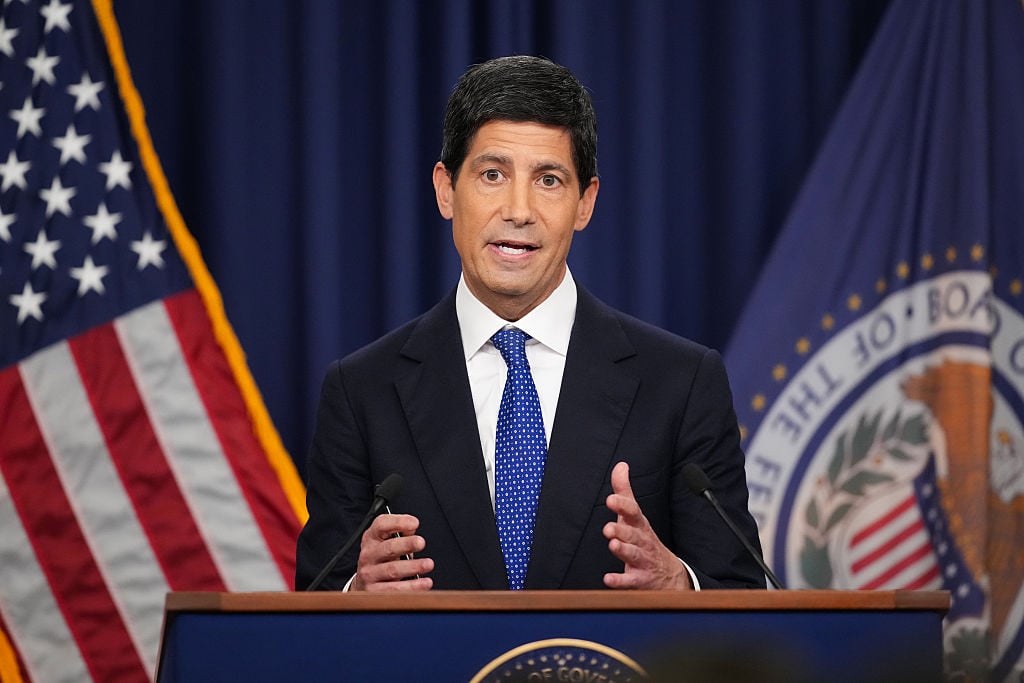
Perhaps most notably, the decision was backed by Federal Reserve Chair Kevin Warsh, whom Trump selected earlier this year to succeed former chair Jerome Powell.
“The plain fact is that inflation is too high and has been for too long,” Warsh said Wednesday, according to TIME.
The Federal Reserve has a dual mandate of promoting maximum employment and maintaining stable prices. In announcing the increase, the central bank said economic activity continues to expand at a solid pace, while inflation remains elevated.
The Fed is aiming to bring inflation back to its long-term target of 2%.
For everyday Americans, raising interest rates is one of the tools the Fed uses to cool inflation, but doing so can also make borrowing more expensive.
Interest rates on credit cards, home equity lines of credit and some other forms of variable-rate debt tend to respond relatively quickly to changes in the federal funds rate. Auto loans and mortgage rates aren’t directly set by the Fed, but broader interest-rate conditions can influence what consumers ultimately pay to borrow.
That means Americans already feeling squeezed by higher prices could also face steeper borrowing costs.
The Fed’s move comes as inflation has moved further away from its target. Annual inflation reached 3.4% in August, according to TIME, while higher energy prices have added additional pressure on household budgets.
Fed officials also aren’t necessarily finished raising rates.
Updated projections show 16 of 18 policymakers who submitted forecasts expect at least one additional quarter-point increase before the end of 2026, according to Reuters. The Fed now projects inflation will not return to its 2% target until 2029.
Trump, who has repeatedly argued that interest rates should be dramatically lower, quickly criticized the decision.
“Interest Rates in the United States should be 1%, or less,” Trump wrote on Truth Social before calling on the Fed to lower rates “FAST!”
The president later accused members of the Federal Reserve Board of being “hostile” and “political,” while maintaining that he still has confidence in Warsh.
Warsh, meanwhile, defended the central bank’s independence and its decision to raise rates.
“Part of the independence of the Federal Reserve is we stay in our lane,” Warsh said, according to TIME. “Independence is a two-way street.”
The vote represents an early test of that independence under Warsh.
Trump appointed Warsh after a contentious relationship with Powell, whom Trump also originally appointed during his first term. Trump repeatedly criticized Powell for not lowering interest rates as aggressively as the president wanted.
Warsh’s first rate increase as chair makes clear that his Fed may not always move in the direction the White House prefers.
For consumers, the more immediate question is whether Wednesday’s increase will be the beginning of a longer stretch of higher borrowing costs.
With most Fed policymakers currently anticipating at least one more rate hike this year, Americans carrying variable-rate debt or considering a major purchase may continue feeling the effects well beyond this week’s announcement.