
A Black man exonerated for murder in Louisiana won an election. Then the state GOP kept him from taking office
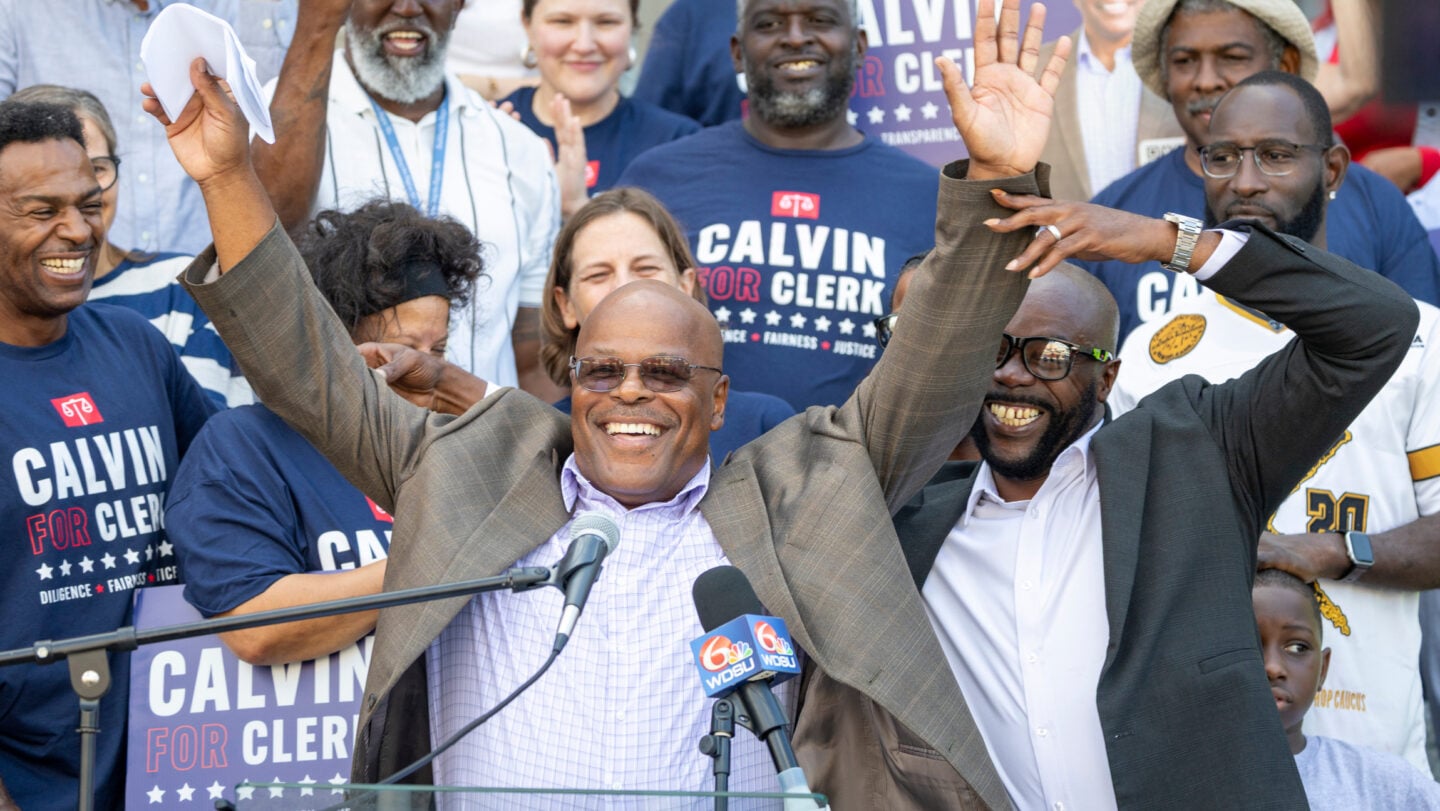
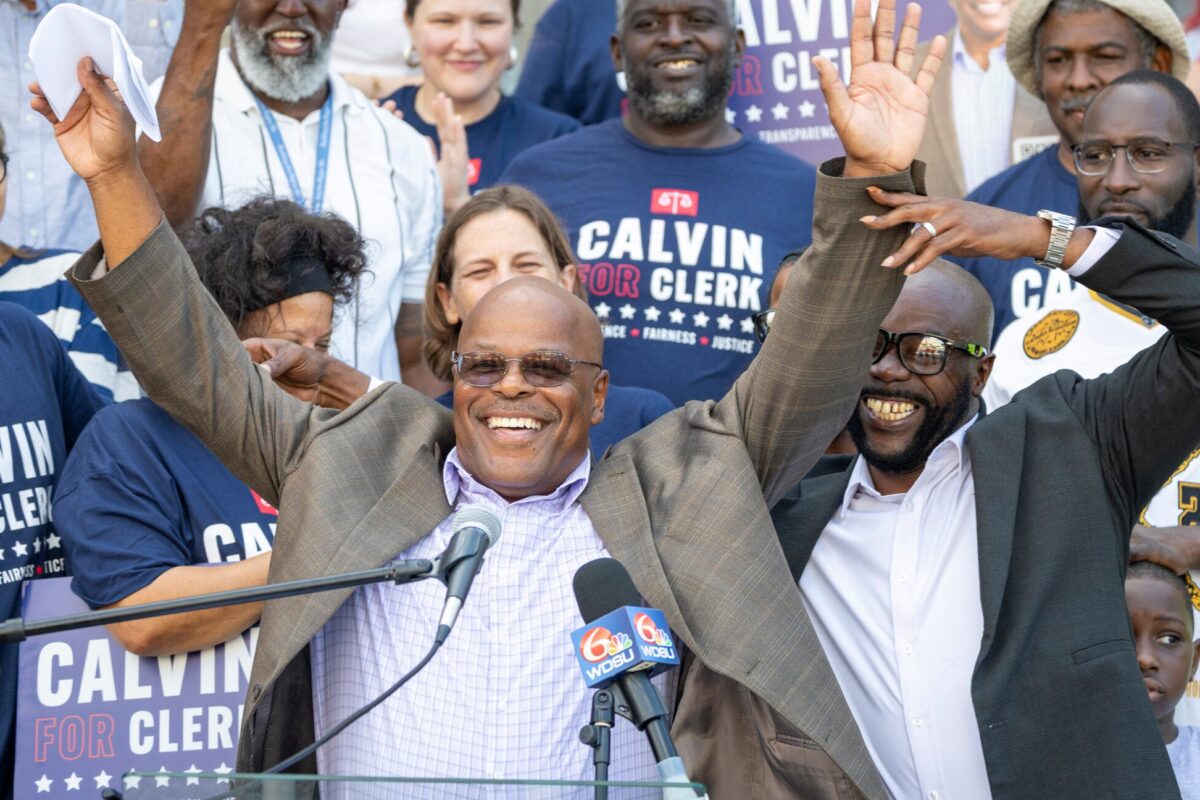
Calvin Duncan was elected to serve as the Clerk of Criminal Court for New Orleans, years after he was exonerated for a 1981 murder he did not commit.
Last November was a moment of vindication for Calvin Duncan.
Wrongfully convicted of murder, the New Orleans native decided to run for New Orleans’ Clerk of Criminal Court, aiming for that office strictly because, according to him, it had denied him access to trial records that would have proved his innocence decades prior. In a runoff against incumbent Darren Lombard, Duncan won with 68 percent of the vote.
But he will not get to serve in his duly elected office.
On Thursday (Apr. 23), the Louisiana state legislature rushed through Senate Bill 256, eliminating the Clerk of Criminal Court position effective in August. Duncan had been ceremonially sworn in on Tuesday (Apr. 21) and was set to take office on May 4. Now the Clerk of Criminal Court will fall under the Clerk of Civil Court and what Duncan referred to as the culmination of his life’s work, will be denied to him.
“I ran for Clerk because I know firsthand what happens when our criminal legal system doesn’t work as it should. The people of New Orleans elected me because they want and deserve better,” Clark said in the lead-up to his election.
State Sen. Jay Morris admitted that the bill was introduced with the urging of Louisiana Gov. Jeff Landry. Landry has vehemently opposed Duncan’s election and allegedly is seeking to deny him compensation for the time he was wrongfully imprisoned at the state penitentiary at Angola.
The bill was ushered through primarily by Republicans, with the full Senate voting 25-11, hours after the House voted 63-28. The House also voted down an amendment by Rep. Kyle Green Jr., a Democrat, to postpone the office’s consolidation to 2030.
How he gained his freedom
In 1981, Duncan was sentenced to life in prison at the notorious Louisiana State Penitentiary for a murder he did not commit. While incarcerated, he became known as the “Prison Lawyer,” working to clear his name and that of other men behind bars. He was released in 2011 after serving 30 years and agreeing to a lesser charge of manslaughter, and the state vacated his conviction a decade later. He’d go on to graduate from Tulane University and later earn a law degree from Lewis & Clark University in 2023.
He was among those who helped secure a U.S. Supreme Court decision in 2020 that ended non-unanimous jury verdicts.
“The citizens of New Orleans overwhelmingly said: ‘I want to give this person a chance, he can make a difference,’” Duncan told lawmakers during a committee hearing in March. “What this bill does is say: ‘Thank you, but you wasted your time.’ It disenfranchises everybody.”
Perhaps the most grim warning came from Rep. Candace Newell, a New Orleans Democrat, about the precedent now set by the legislature and by Landry.
“We are stepping into dangerous territory … you do not change the rules of the game once the game has been played,” Newell said. “Today they’re coming for this right, tomorrow they’re coming for yours.”