
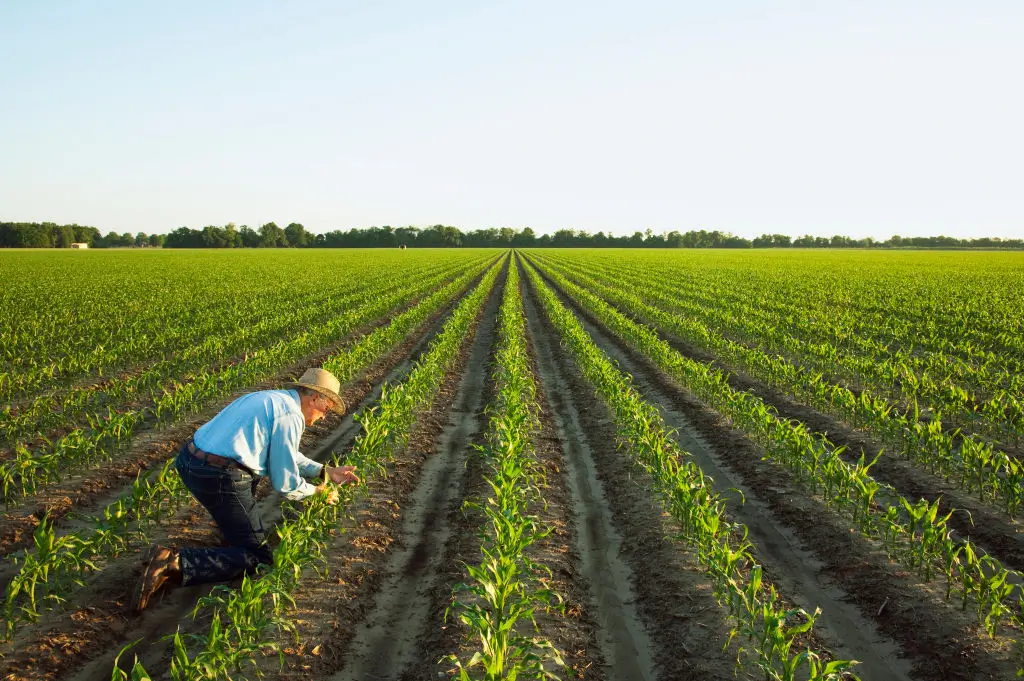
‘You Were Warned’: Arkansas Farmers Who Voted for Trump Plead for Emergency Aid as Tariffs Push Them Into Ruins
Hundreds of Arkansas farmers gathered last week in Brookland, pleading for emergency financial relief as they struggle under mounting debt, rising costs, and collapsing crop prices. Many in the room had voted for President Donald Trump, yet they now fear the survival of their farms — and their families’ livelihoods — are at stake.
Chris King, who has farmed Arkansas soil for 40 years, told congressional staffers at the meeting in the northeast Arkansas town, “I have never been as worried as I am now about whether or not my kids and grandkids will be able to carry on,” according to local outlet KATV.
“You are going to lose 25 to 30 percent of the farmers in this country if they don’t do something,” said Scott Brown, who manages 800 acres in Biggers. “In the short term, they have no choice but to mail us a check.”
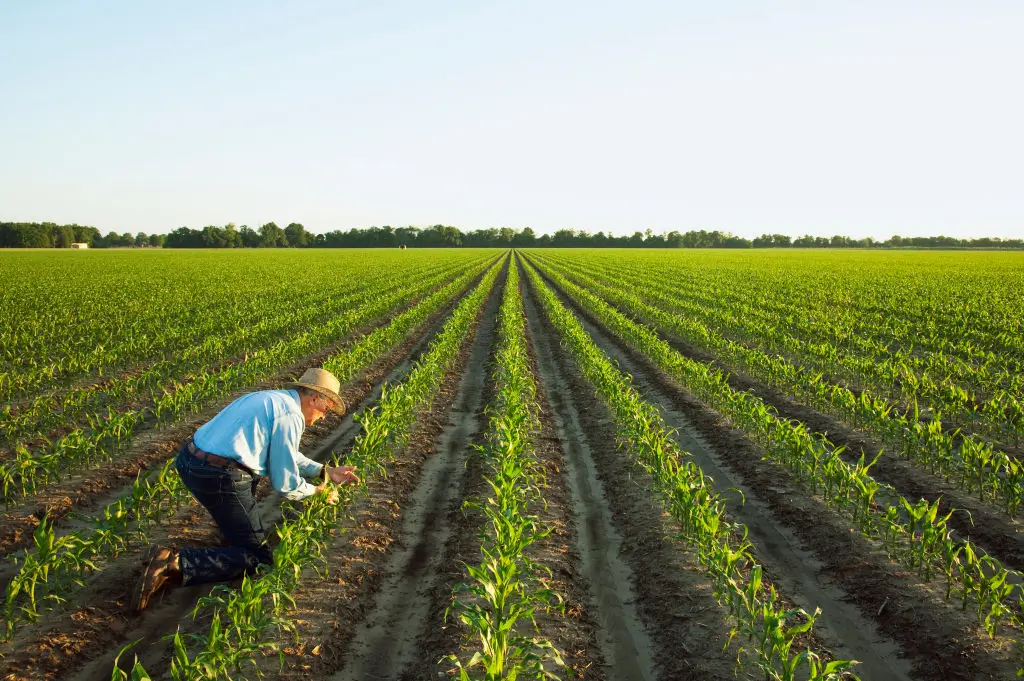
The meeting featured story after story of financial strain, aging equipment, and shrinking profits.
“I farm 800 acres by myself, I can’t afford any help, I farm with paid-for equipment, all my tractors are 50 years old, and I can’t hardly make this deal work,” Brown said.
“Prices that we are getting now are prices like they were when we were children, and what it costs for us to farm is astronomical now,” added Melissa King. “The price of a combine when we were kids was in the $20,000s, and now it’s $100,000.”
The current crisis follows one of Arkansas’s worst agricultural years on record.
April floods killed more than 100 people across multiple states and delayed rice farming for months. The University of Arkansas Division of Agriculture estimated nearly $100 million in crop-related damages, with rice fields the hardest hit.
“This time last year, the rice price was about 40 percent higher than it is now,” said farmer Derek Haigwood. “Input costs have gone up, fertilizer has gone up, commodity prices have gotten worse. … This year is going to be worse.”
Farm commodity prices have dropped to their lowest since 2020, according to the Federal Reserve Bank of St. Louis. “Farmers are getting squeezed … making it harder or even impossible for them to position their businesses for long-term success,” said Maggie Monast of the Environmental Defense Fund.
Farmers say tariffs have only exacerbated the strain.
“Tariffs are the ice cream on the cake of a perfect storm,” Brown said. Without them, U.S. soybeans shipped to China would undercut Brazil’s prices. With tariffs, American crops can’t compete. Still, a Purdue University survey found that 70 percent of producers believe tariffs could eventually strengthen U.S. agriculture — if they survive long enough.
President Trump’s “Big, Beautiful Bill” promises expanded agricultural subsidies — largely through cuts to SNAP benefits (food stamps) and Medicaid — but not until 2026, according to the House Committee on Ways and Means. For farmers staring down immediate loan payments, that timeline is too far away.
“We have to have ad hoc payments right now to make it through this year,” Haigwood said.
Congressman Rick Crawford’s district director, Gene Higginbotham, offered sympathy but no timetable: “We’re going to do everything we can to get you the help you need.”
The stakes go beyond the farming sector. Fewer planted acres push up raw material costs, which trickle through the food supply chain. Over time, large corporations replace family farms, reducing competition and keeping prices high.
The Farmers emphasized they are not seeking charity — they are fighting for survival. “Without emergency aid before spring planting season, Arkansas could lose a third of its farms. And when the farms go, we all pay the price.”
Critics on social media were unsympathetic and quick to point out that farmers voted against their own best interest in the 2024 election.
One user on Threads wrote: “I’m sorry, but … Trump told farmers he was going to slap on tariffs, and they still lined up behind him. Kamala Harris offered crop insurance, but they went with the guy who was sure to crush their livelihoods. You weren’t even lied to, farmers. You were warned repeatedly …”
The problem spans nationwide. During the 2024 presidential election, farming-dependent counties overwhelmingly voted for Trump, with almost 78 percent supporting his candidacy, and similar support in 2020. Now, Trump’s policies are punishing these very communities.
Since taking office, Trump has effectively shut down USAID, which purchases roughly $2 billion of U.S. agricultural products annually, eliminating a critical market for American farmers. Roughly 86 percent of USAID contractors are American. The shutdown has forced nearly 13,000 layoffs, including workers linked to the Soybean Innovation Lab.
USDA programs are also frozen, delaying billions in loans and grants, including funds for renewable energy projects and new crops. Farmers who invested thousands of dollars in these projects face immediate losses.
“You can’t have people spend this kind of money and then just pull the rug,” said Travis Forgues, who invested in a solar array to power his farm.
Massachusetts farmer Ang Roell planned to install deer-proof fencing and orchard irrigation with $30,000 in USDA grants now on hold. “We risk losing the plants because we can’t keep up with the watering schedule,” Roell told NBC News.
Laura Beth Resnick of Butterbee Farm in Maryland spent $36,000 on solar panels through the frozen USDA renewable energy program. “Already, farmers are shrinking their businesses,” she told PBS. “And I’m really afraid about the future of farming if all these programs just go away.”
Labor and tariffs compound the crisis. An estimated 42 percent of U.S. farm workers are undocumented. Deportations could create labor shortages, driving prices up and leaving essential goods in short supply.
“Tariffs and deportations will pose some pretty significant economic challenges for the farmers of Wisconsin and the U.S. generally,” said Chuck Nicholson, associate professor of agricultural and applied economics at UW-Madison. Tariffs on imported equipment, fertilizers, and retaliatory tariffs abroad all threaten farm profits.
Extreme weather is adding further strain. The 11th-driest July followed the 11th-wettest May, delaying planting and causing uneven crop growth. Some fields never produced crops; others are facing delayed harvests of cabbage and sweet corn.
For many farmers, solutions like irrigation systems, water storage, and soil management are out of reach financially. As a result, supply disruptions, higher grocery prices, and potential long-term losses are on the horizon.