
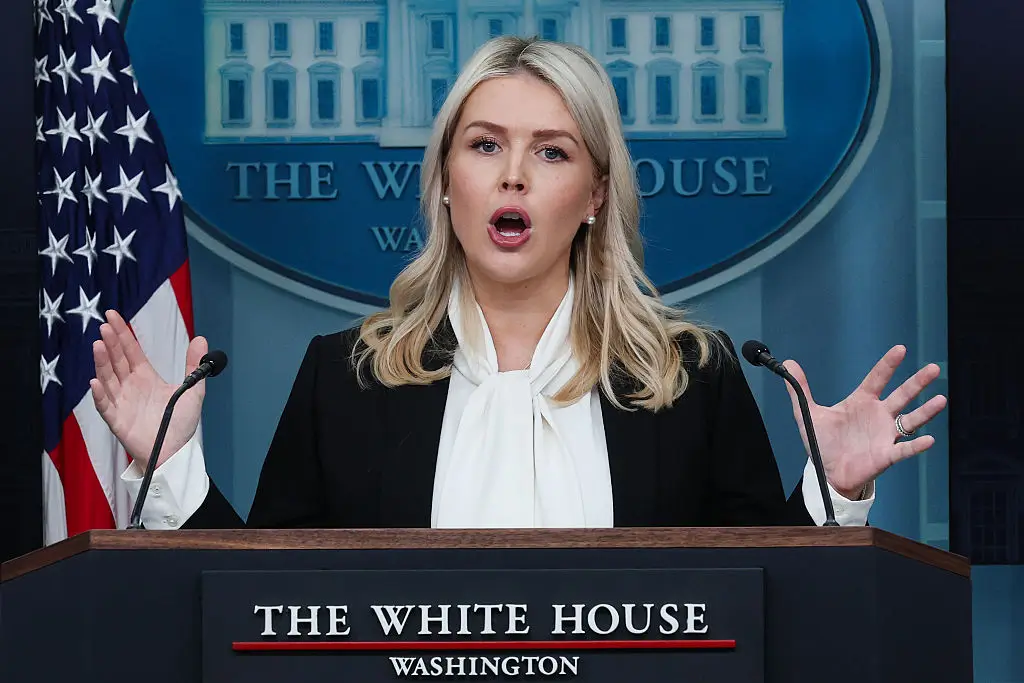
‘What a Brunch of…’: Trump Eats a Loss, Cries Fraud, Then Leavitt Gets Confronted and Drops a So-Baffling Excuse People Thought It Was Satire
President Donald Trump spent part of last week grousing over his political loss in Virginia after voters passed a referendum on redistricting that would give Democrats as many as four more seats in Congress.
Trump called the vote a “RIGGED ELECTION” and a “Crooked Victory” without offering any proof in a Truth Social post to explain away his embarrassing loss, but then White House Press Secretary Karoline Leavitt said something so nonsensical in trying to cover for him that the internet exploded.
Trump joined a tele-rally on Monday, April 20, the day before the election, but other than that, he campaigned very little and offered the opposition almost no support in the weeks leading up to the vote.
In fact, critics contend he’s spent more time complaining after his loss than he ever did campaigning against the redistricting effort itself, which passed on a fairly close 51.5 to 48.5 percent margin.
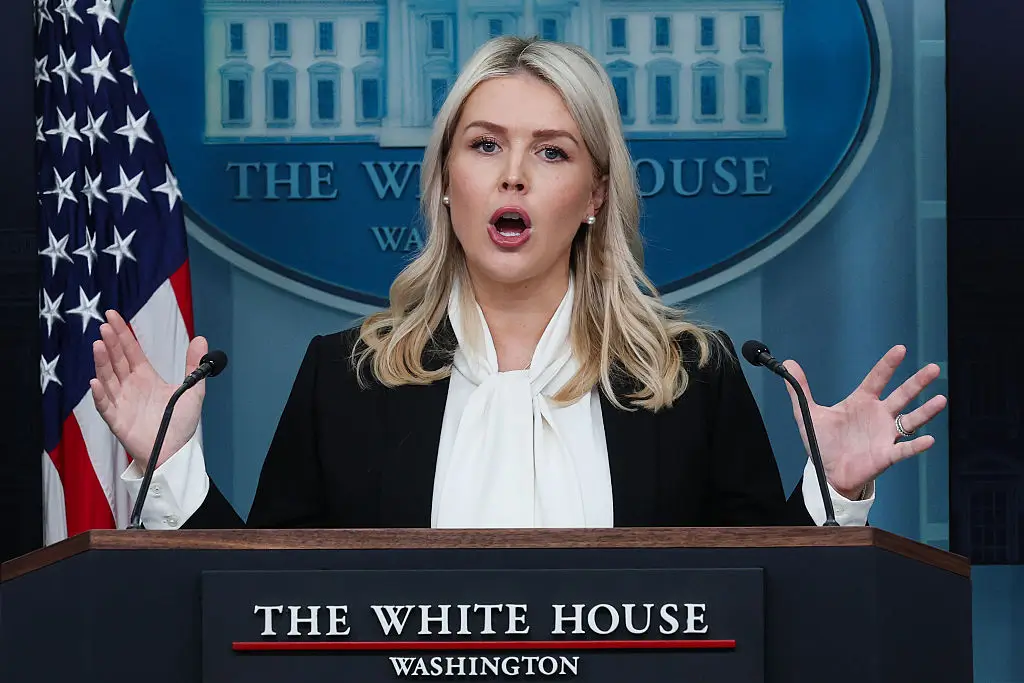
Leavitt tried to distance herself from accounting for Trump’s defeat when she took questions from reporters outside the White House on Wednesday, April 22, insisting she wasn’t involved with the president’s political initiatives.
“On the issue of Virginia redistricting, because he weighed in this afternoon, raising concerns about the vote, why didn’t he campaign more actively? … Why raise concerns after?” a journalist pressed Leavitt.
“That’s a question that’s political by nature. As you know, I’m not part of the president’s political team anymore,” she absurdly replied.
“I do sit here at the White House as a government employee,” Leavitt said without directly referencing the Hatch Act. She’s been accused of violating the measure before, which prevents federal workers from engaging in political activities.
What Leavitt was trying to do, awkwardly, was draw a legal line. As White House press secretary, she’s technically a government employee now, which means she’s supposed to stay out of campaign politics under the law bars that officials from using their position to influence elections.
“Look, the president has a lot on his plate, a lot on his schedule,” she insisted, before mentioning his tele-rally. “He did host a telephone call the night before the election. But he’s made his position on the results of the election clear to all of you.”
But that explanation didn’t land, mostly because it clashes with reality. Leavitt has regularly taken political swings from that same podium, often echoing Trump’s messaging. And before stepping into this role, she was deeply embedded in his political operation, moving from campaign surrogate to spokesperson with little daylight in between.
A backlash against Leavitt’s gaslighting erupted on social media, with users calling her out over her duplicity.
“She runs her mouth about political questions on a daily basis. And the answer is because they know if Trump had campaigned against it, it would have passed by even more,” a Threads user pointed out.
View on Threads
“So, if she doesn’t serve a political purpose, then what is her purpose?” another wondered.
More users chimed in, trying to understand what Leavitt was even talking about: “Everything she says is political propaganda devoid of facts.”
“She’s his spokesperson, isn’t she?” this one noted, and another agreed, “When was she not a part of his political team?”
With the referendum passing on April 21, the new map could allow Democrats to gain as many as four additional House seats, which is significant in a chamber currently controlled by Republicans by a narrow 217 to 213 margin.
The Virginia measure allows state officials to bypass the existing redistricting commission and implement new districts ahead of the midterms, though the state Supreme Court is still reviewing whether the plan is legal after a lower court struck down the referendum as unconstitutional the day after the election.
The broader redistricting fight has been escalating nationwide. Trump himself pushed similar efforts in Texas last year to benefit Republicans, prompting Democratic led states like California to counter with their own map changes.