
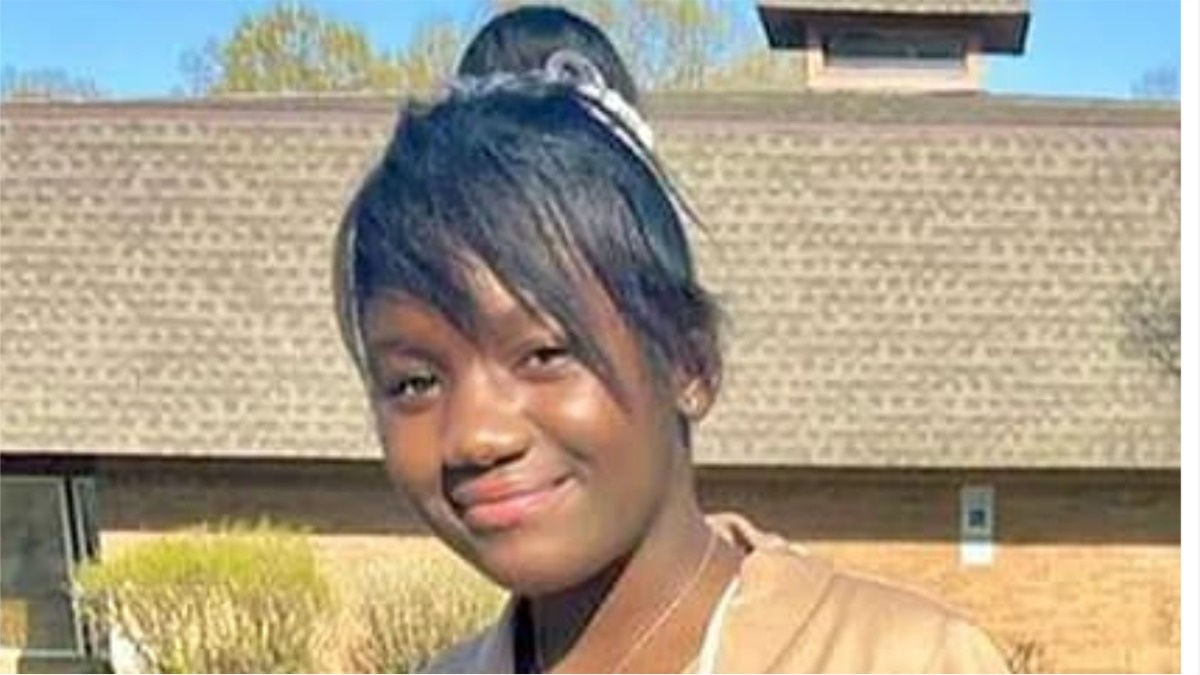
‘We Still Have Questions’: Family of Black Charlotte Teen Found Hanging Push for More Answers as New Records Surface
The death of a 16-year-old Black girl whose body was found hanging from a tree outside a Charlotte church is drawing renewed attention after an investigation by The Charlotte Observer uncovered questions about how quickly authorities ruled the case a suicide and the steps taken during the investigation.
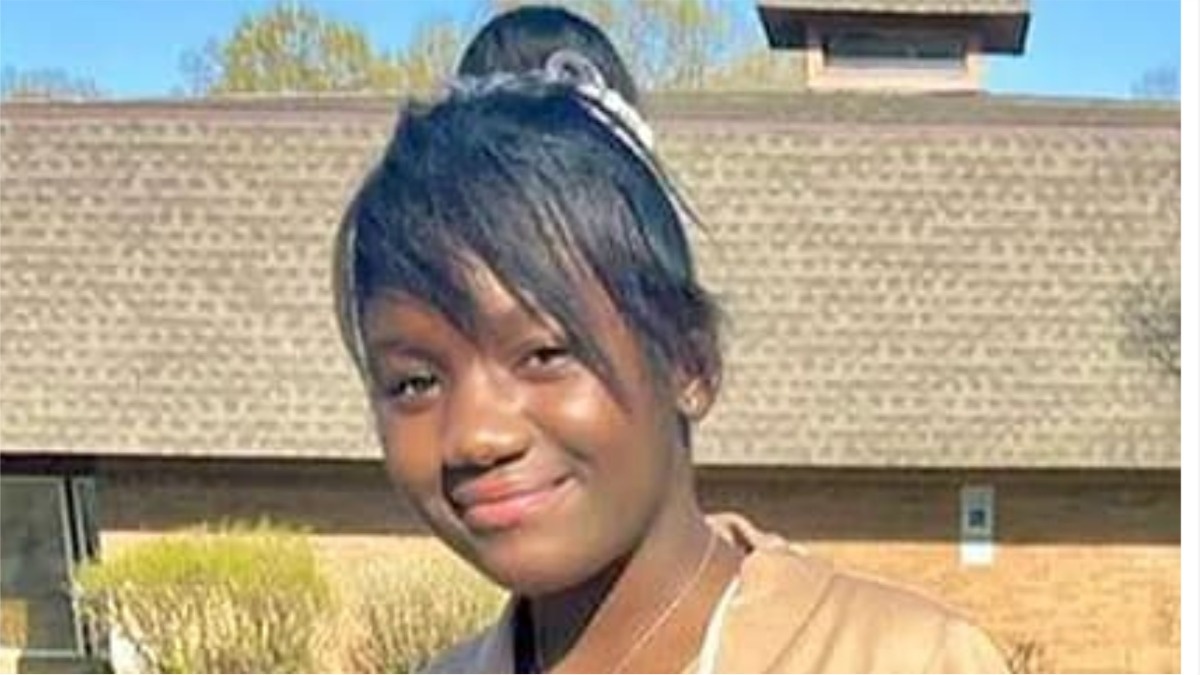
Juliana Umba Nzita was discovered May 8 in the yard of United House of Prayer for All People in north Charlotte after a man walking his dog noticed what initially appeared to be someone standing near a tree.
As he approached, he realized it was the body of the missing teenager, suspended by a ratchet strap wrapped around a tree limb while her feet remained on the ground near a small blue toddler-sized chair.
According to The Charlotte Observer, the Mecklenburg County Medical Examiner determined within days that Juliana died by suicide, and the Charlotte-Mecklenburg Police Department closed the investigation four days later.
The decision has since been challenged by members of her family, leaders at the church where she was found and community members who say the circumstances warranted a more extensive investigation.
Black Indiana Teen Sues After White Female Cop Accuses Him of Attempted Murder Until Video Evidence Exposed Her Blatant Lie
The Observer reported that Juliana, whose family immigrated from the Democratic Republic of the Congo, had been missing for several days before her body was discovered. Family members described her as kind and active in church, while also acknowledging she struggled with mental health challenges and endured severe bullying before transitioning to virtual school.
The family has also launched a GoFundMe campaign to help cover funeral expenses and the cost of an independent investigation. On the fundraiser page, relatives wrote that Juliana’s life “was shaped by struggles no child should ever have to endure,” adding that her story reflects “the silent pain so many people carry after bullying, trauma, and emotional suffering.” The campaign has raised more than $10,000.
Questions surrounding the case intensified after the newspaper reported that police never recovered Juliana’s cellphone, did not interview the man who found her body and did not perform an autopsy, although authorities said a thorough physical examination was conducted. CMPD also declined requests to make investigators available for interviews and initially offered little public explanation about how detectives reached their conclusion.
Kenneth Tolbert, the man who discovered Juliana, told the newspaper he immediately alerted people at the church after recording video of the scene.
“I wanted to talk to you all about it first, this being y’all’s property and all,” Tolbert said in the recording before church members contacted 911.
Tolbert later said he was surprised investigators never contacted him.
“If this were a white girl who was found hanging at a Myers Park church, the police would have been all over this. It would have been national (news) in 72 hours,” he told The Charlotte Observer. “We cannot let Juliana’s death be in vain. There has to be transparency and an investigation.”
The Observer’s reporting also prompted concern from elected officials. Charlotte City Councilman JD Mazuera Arias criticized the department’s handling of the case after learning details from reporters.
“Our police department should have been more proactive, and it should have been more open and transparent with the situation at hand,” Arias said. “This is unacceptable. This is so grotesque that we were not made aware as council.”
Councilwoman Kimberly Owens similarly questioned why city leaders were not briefed after a missing Black teenager was found hanging on church property.
Following questions from the newspaper, CMPD defended its investigation, saying detectives found no evidence of foul play. The department said a physical examination revealed no defensive injuries or signs of physical or sexual assault and stated that a broken tree limb may explain the position in which Juliana’s body was discovered.
Police also said surveillance cameras on the church property did not capture footage relevant to the case.
Still, independent experts interviewed by the newspaper said several aspects of the case stood out.
Former Baltimore crime scene investigator Asha Layne questioned whether investigators conducted testing for DNA, drugs or alcohol and whether the ratchet strap received forensic analysis.
Meanwhile, Juliana’s family has commissioned its own autopsy, which attorney Jill Collen Jefferson said will include DNA testing.
Juliana’s uncle, Mathy Nzita, said he remains unconvinced that authorities thoroughly examined the circumstances surrounding his niece’s death.
“This is the U.S. This is not a third-world country,” he told the newspaper while questioning why no autopsy was ordered and why some of Juliana’s belongings were withheld after investigators concluded she died by suicide.
Several criminal justice and forensic experts interviewed by The Charlotte Observer also said the case presented unusual factors that they believed merited closer scrutiny, particularly given the history of racial violence involving public hangings in the South.
Raymond Winbush, director of Morgan State University’s Institute for Urban Research, said historical context contributes to community skepticism.
“Part of being Black in America, unfortunately, is that you have to be suspicious of health, police departments, educational institutions and so forth in cases like these,” Winbush said.
Jefferson, who is assisting Juliana’s family, said law enforcement agencies should recognize the historical weight such cases carry and communicate openly with the public regardless of the ultimate findings.
“The police have to realize the role that they played historically in these cases, where a lot of times they were complicit,” Jefferson told the newspaper. “To mitigate that mistrust they should be as up-front as they can about what they’re doing because if they don’t, we’re going to assume they’re covering something up.”
As the investigation continues to draw attention online, Juliana’s family is awaiting the results of its independent autopsy while supporters continue to leave flowers and memorial items beneath the tree where she was found. Parishioners at the church have continued praying for the teenager, whose funeral drew hundreds of mourners earlier this month.