
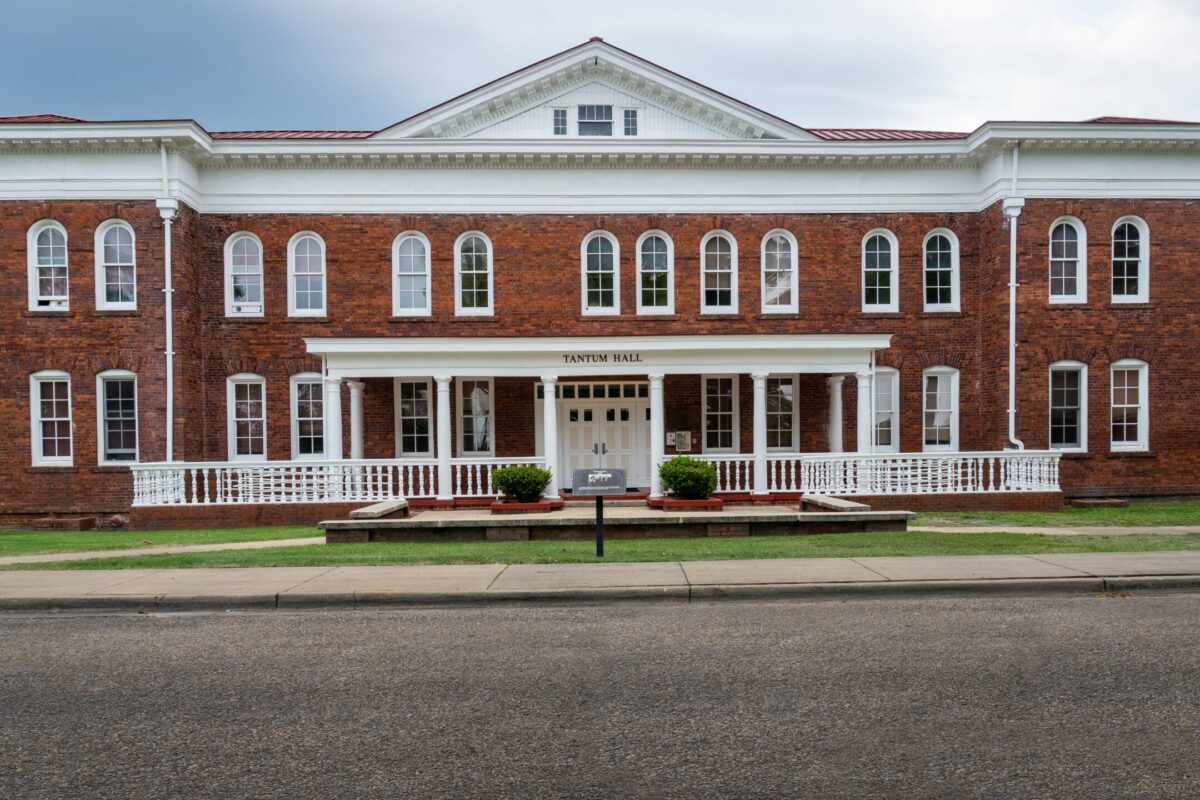
Tuskegee University’s new dress code ignites mixed reactions

From educators to incoming students, many react to Tuskegee University’s updated dress code banning bonnets, du-rags, pajamas, and more.
Satin bonnets, du-rags, a pair of fuzzy bedroom slippers, and pajamas. These are among the things Tuskegee University doesn’t want to see in its lecture halls, library, dining hall, and other campus spaces come fall.
Ahead of the 2026-2027 academic year, the Alabama-based university unveiled an updated dress code outlining what students should and shouldn’t wear in classrooms, offices, dining facilities, and elsewhere on campus.
“The goal here is not meant to restrict students from enjoying the Tuskegee Experience, but to prepare them with a solid foundation for the workforce they will enter once they leave Tuskegee,” Tuskegee President Dr. Mark A. Brown wrote in a message outlining the changes.
The policy quickly sparked a heated debate online. While campus dress codes are to be expected, especially at HBCUs, Tuskegee’s announcement comes at a time when conversations around Black appearance, professionalism, and self-expression continue to unfold in classrooms, corporate offices, and even airports, leading many to question where professionalism ends, and respectability politics begins.
“I get the intention, but Black excellence is not a dress code,” a user under the handle NoSleeNo wrote in a post on X.
“We don’t need to cosplay white corporate professionalism just to prove we belong,” he continued. “If HBCUs want stronger reputations, improve admissions, academics, graduation rates, and student outcomes.”
Meanwhile, over on Threads, the writer Roxane Gay offered up her own experience from being in the classroom.
“I don’t care what my students wear to class,” she said, adding, “They are kids and they like this hilarious comfort aesthetic these days. It’s fine. I am more interested in what they do in class with their minds.”
Some questioned why bonnets and other hair coverings continue to be singled out when Black hair has long been scrutinized in schools and workplaces. Others argued the policy lacks compassion, pointing to students rushing to early morning classes, living on campus, or simply navigating the realities of college life.
“Lawd. I had to back away from the post about bonnet and durags on a college campus. Because what? They live there. Yes for certain scenarios absolutely not, but on campus in general going about your day? That’s taking away their freedom,” a user named Princess Johnson wrote in a post on Threads.
At the same time, plenty of alumni, parents, and supporters applauded the university’s decision.
Many argued that college should prepare students for life beyond graduation and that presenting oneself professionally is part of that education. Others said there is nothing unreasonable about expecting students to leave pajamas and bedroom slippers at home when heading to class.
“Real talk: if you wouldn’t wear a bonnet or sleepwear to a concert, a club, or a night out, why wear it to a classroom or workplace?” a user by the name of Bru Jaramillo on Threads posted.
“Your education and future career deserve that same energy and respect,” she continued. “Tuskegee isn’t trying to police students; they’re doing what HBCUs have always done: preparing our young people for a real world where first impressions matter. How you show up speaks before you do.”
“You want to know what’s anti-Black, showing up to your Black professor’s class looking like you just climbed out of bed. You want to know how disrespectful that sh*t is. Like you couldn’t even have enough respect to pull it together for something as important as getting your degree?” a user named Michael Guss wrote on Threads.
Some even questioned why the policy became controversial at all, arguing similar expectations exist in many workplaces and professional settings.
“How come no one is fighting with the military about having to wear a uniform, and be at your post at a certain time every day. But, when an HBCU implements a dress code, it sparks controversy?” a user on Threads named Nicole Short wrote.
The thing is, for decades, Black communities have wrestled with who gets to define professionalism and whether those expectations unfairly burden Black people. The debate has surfaced around everything from school dress codes and natural hairstyles to workplace appearance standards and the passage of the CROWN Act, legislation aimed at preventing discrimination based on natural hair.
HBCUs often find themselves at the center of those conversations. Many were founded to prepare Black students to thrive in institutions where they historically faced discrimination while also serving as spaces that celebrate Black culture, identity, and expression.
Whether the uproar changes anything remains to be seen. For now, Tuskegee’s updated dress code is set to take effect this fall, as several incoming freshmen report they did their back-to-school shopping before receiving this notice.
“When Tuskegee is trying to enforce a dress code but I already bought clothes violating it,” user @hiitskzz posted on TikTok.