
‘Time Will Tell’: Trump Ally’s 3-Word Warning About JD Vance Has the Internet Convinced He’s Already Prepping the Fall Guy for Trump’s Iran Deal
President Donald Trump spent part of the weekend celebrating what he described as a breakthrough agreement with Iran. But one of his closest political allies may have already started laying the groundwork for who gets blamed if the deal falls apart.
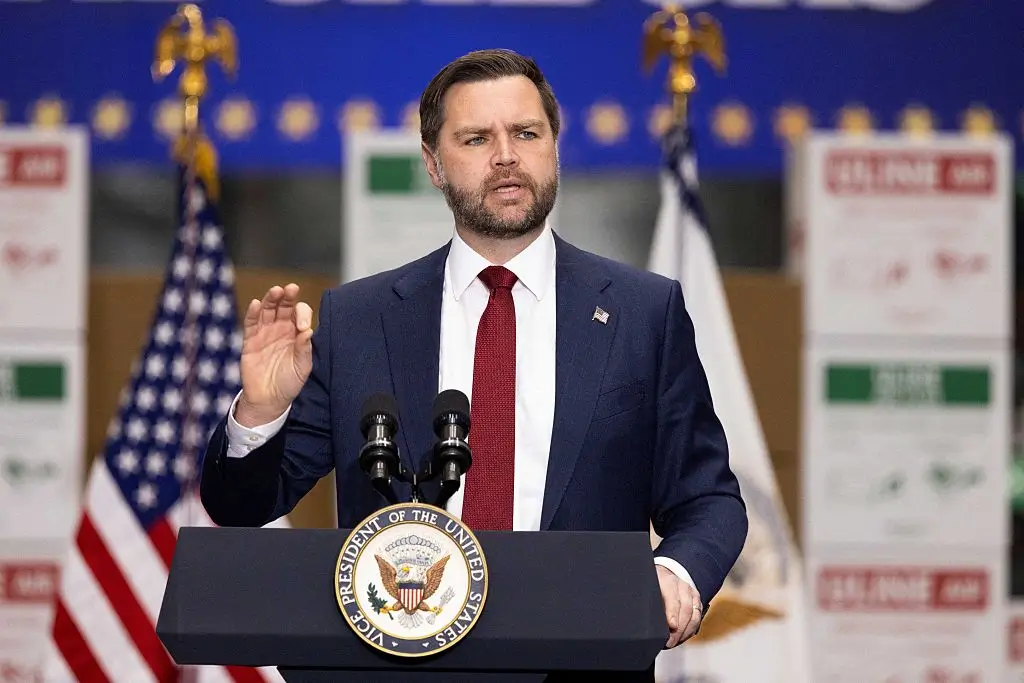
Shortly after details of the proposed Iran agreement emerged Sunday, Sen. Lindsey Graham publicly singled out Vice President JD Vance as the “architect” of the deal, a label that immediately caught the attention of political observers and social media users.
Many interpreted the move as more than a compliment.
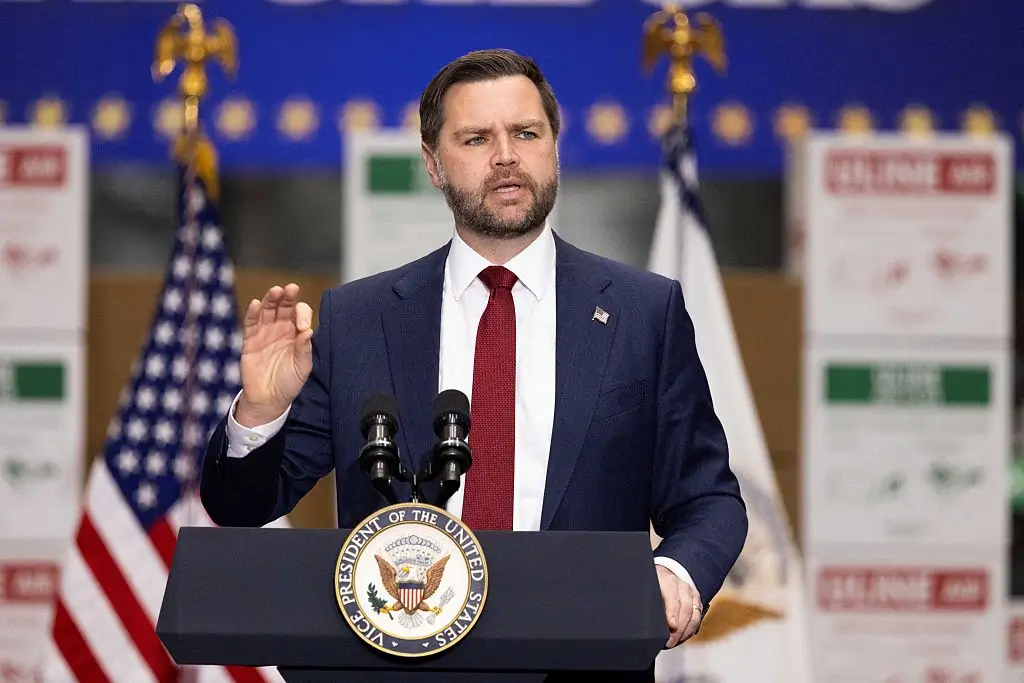
Some saw it as an attempt to make sure Vance, not Trump, owns the outcome if negotiations with Tehran go sideways.
The agreement, which still faces scrutiny from lawmakers in both parties, would reopen the Strait of Hormuz and begin a new round of negotiations over Iran’s nuclear program. Congress is demanding more details before offering support.
Graham, one of the Senate’s most vocal Iran hawks, made clear that he remains skeptical.
“I am somewhat concerned that Iran’s view of the agreement seems different than what the American negotiating team is claiming,” Graham wrote on X.
He then delivered the line that set social media ablaze.
“Under our law, any nuclear deal with Iran will be sent to Congress for review and a vote. I look forward to reviewing the final product, and I believe it is imperative that the architect of the deal, Vice President Vance, and his negotiating partners be part of the process in presenting the final deal to Congress.”
Then Graham added three words that many interpreted as a warning:
“Time will tell.”
Vance Fires Back
Graham’s comments quickly reached Vance during a Monday appearance on ABC’s “Good Morning America.”
Host George Stephanopoulos pointed out that Iranian media appeared to be describing a very different agreement than the one Trump administration officials have discussed publicly.
Stephanopoulos specifically asked whether the deal involved releasing billions of dollars in frozen Iranian assets.
That question gave Vance an opening to respond directly to Graham.
“No, George, it’s not true. And I’d caution Lindsey Graham and anybody else not to believe the hardliner propaganda in Iran, but to believe what’s actually in the agreement,” Vance said.
Vance added that the White House plans to release the text of the agreement this week.
“We’re releasing the text this week, and what everybody will see is that Iran doesn’t get a dime of money unless they perform their obligations,” he said.
The exchange immediately fueled speculation that Republicans are already positioning themselves ahead of what could become a bruising political fight.
Social Media Spots the Pattern
Political journalist John Harwood was among the first to notice Graham’s wording.
Above a repost of Graham’s statement, Harwood wrote, “Vance as ‘architect of the deal’ should work well for Rubio.”
The remark appeared to reference growing speculation about future Republican power struggles and the possibility that Secretary of State Marco Rubio could emerge as a rival to Vance ahead of the 2028 presidential race.
Other social media users were even more blunt.
“If this deal succeeds, Trump will call it historic. If it backfires, everyone will suddenly remember JD Vance was on TV explaining it,” one user wrote.
Another added, “I love how they’re sending this goon out on all the shows to be the face of this sh-tty situation.”
Whether that is actually happening remains unclear.
But the perception has gained traction because Vance has become the administration’s most visible public defender of the agreement. He has repeatedly appeared on television to explain and defend negotiations with Tehran.
Republicans Are Demanding Answers
Graham is not alone in raising concerns.
Several Republican lawmakers have questioned the lack of public details surrounding the agreement and demanded congressional review before any final implementation. Senate Republicans have called for additional briefings and greater transparency regarding Iran’s nuclear commitments and any financial incentives included in the deal.
The administration has insisted that no money will flow to Iran unless the country fulfills its obligations.
Still, lawmakers continue to press for details on sanctions relief, frozen assets, and how compliance would be verified.
For now, Trump continues to promote the agreement as a diplomatic victory.
But Graham’s decision to publicly identify Vance as the deal’s “architect” ensured that the vice president’s name is now tied directly to its success or failure.
And judging by the reaction online, plenty of people think that was exactly the point.