
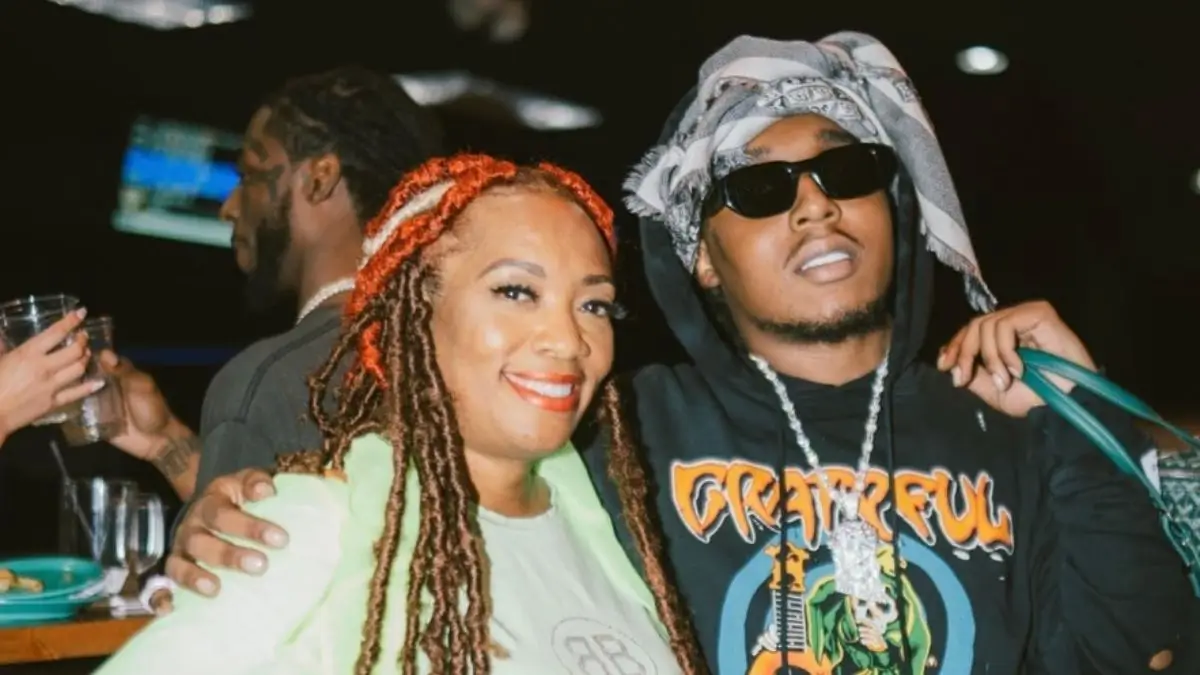
Takeoff’s Father Demands Half of His Wrongful Death Settlement, but Georgia Lawyer Says the Real Fight Isn’t with Mom
Parents of Migos rapper Takeoff are headed for a brutal legal battle over a settlement from a wrongful death lawsuit.
The beloved Atlanta artist, born Kirsnick Khari Ball, was fatally shot on Nov. 1, 2022, during a private party in downtown Houston.
The shooting followed a dice game involving Takeoff and Quavo, and an arrest was made a month later.
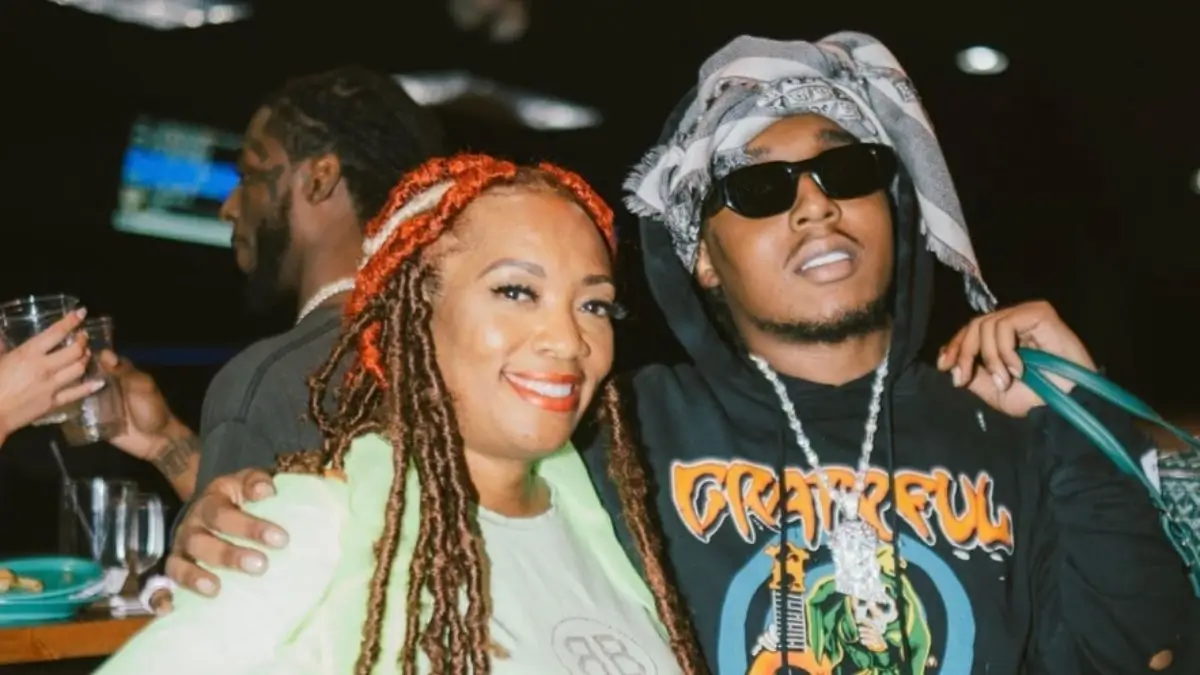
On Dec. 1, authorities later arrested Patrick Xavier Clark, 36. He remains jailed while awaiting trial. Meanwhile, Takeoff’s mother continues fighting to protect her son’s assets and legacy.
In June 2023, Titania Davenport filed a $1 million negligence lawsuit against the venue, alleging it failed to provide adequate security. The suit reportedly was settled last December for an undisclosed figure.
According to USA Today, two security guards heard the gunfire but never saw the shooter.
Remembering Takeoff: 5 Things to Know About the Atlanta Rap Star Shot and Killed at 28
As administrator of her son’s estate, Davenport settled the wrongful death case for a confidential sum at the end of 2025, according to Billboard.
However, the dispute continues, as recent reports indicate that Takeoff’s father, Kenneth Ball, is demanding half of the settlement.
Davenport insists she raised her son as a single parent with “financial support and effectively no emotional support” from Takeoff’s dad.
Argument which lead to #takeoff being fatal death
(via tmz) pic.twitter.com/rogPko07WC
— OvOELI (@OvOELive) November 2, 2022
Georgia-based attorney and legal expert Aura Taylor says there’s a much bigger issue to consider.
The biggest issue in this case isn’t whether Takeoff’s father was a good dad — it is whether the law recognizes him as Takeoff’s legal father.
“If Takeoff’s mother was his sole caregiver throughout his childhood, that fact is not, by itself, determinative under the wrongful death statutes,” says Taylor.
“From a legal perspective, the more significant question is not whether the father was absentee, but whether he was ever legally recognized as Takeoff’s father,” she continued.
Titania argues that Georgia, where the probate case is pending, should decide the dispute now that the Texas wrongful death case has settled.
Taylor insists that under Georgia’s law, if Takeoff’s parents were never married and his father never legally established paternity through legitimation, a court order, birth certificate, or another recognized legal process, the father may not qualify as a legal parent.
She said, “Georgia requires legitimation or another legally recognized manner to establish paternity as Georgia makes a distinction between biological fatherhood and legal fatherhood.”
 Mama Rocket
 (@only1_titania)
If that happens, the court could deny him any share of any settlement or award. The court would make that decision before considering his role in Takeoff’s life.
That’s why Takeoff’s mother’s claim that she raised him alone, while emotionally compelling, is not the strongest legal argument.
If the court recognizes Takeoff’s father as his legal father, he could likely receive a share of the settlement.
Georgia courts have repeatedly ruled that a parent’s absence does not eliminate legal rights under the wrongful death statute.
The same applies to a parent’s failure to provide support or maintain a close relationship with the child.
“In other words, a parent who had little or no relationship with the child may still possess standing (Standing means a legal right to bring a lawsuit),” explains Taylor.
“Courts generally refuse to graft an ‘equitable parent’ or ‘best parent’ analysis onto the statute. The legislature, not the courts, determines who may recover,” she adds.
This explains why the fight over Georgia or Texas law matters. Texas recognizes more paths to legal fatherhood than Georgia.
Georgia is the only state that still separates paternity and legitimation into a two-step process for fathers.
That could improve the father’s chances of recovering part of the settlement.
Takeoff’s mother, the administrator of his estate, seeks damages for personal injury, wrongful death, funeral expenses, and mental anguish.
Jury selection in the criminal trial is scheduled to begin Nov. 5, with Clark’s trial expected to start on Nov. 9.
Prosecutors allege surveillance footage from that night shows Clark firing toward a crowd during the event at bowling alley hosted by J. Prince Jr., son of Rap-A-Lot Records founder J. Prince.
Video circulating online appeared to show Quavo leaving the area just outside of the venue’s entrance moments just before gunfire erupted. Authorities said Takeoff was struck and killed, while two others were wounded but survived.
The Harris County Institute of Forensic Sciences ruled the death a homicide. Gunshot wounds to the head and torso caused his death. One bullet also entered his arm.
Investigators found Clark’s fingerprints on a wine bottle at the scene. However, he has denied firing the fatal shots, and his attorneys maintain he is innocent.