
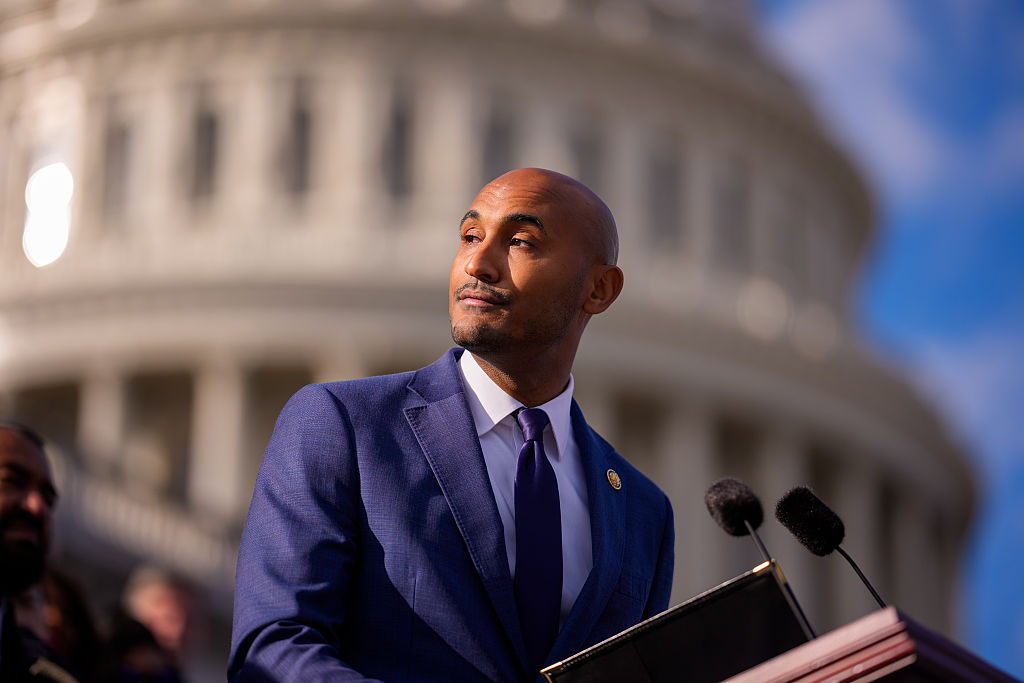
Supreme Court allows Alabama Republicans to use map that eliminates majority-Black district
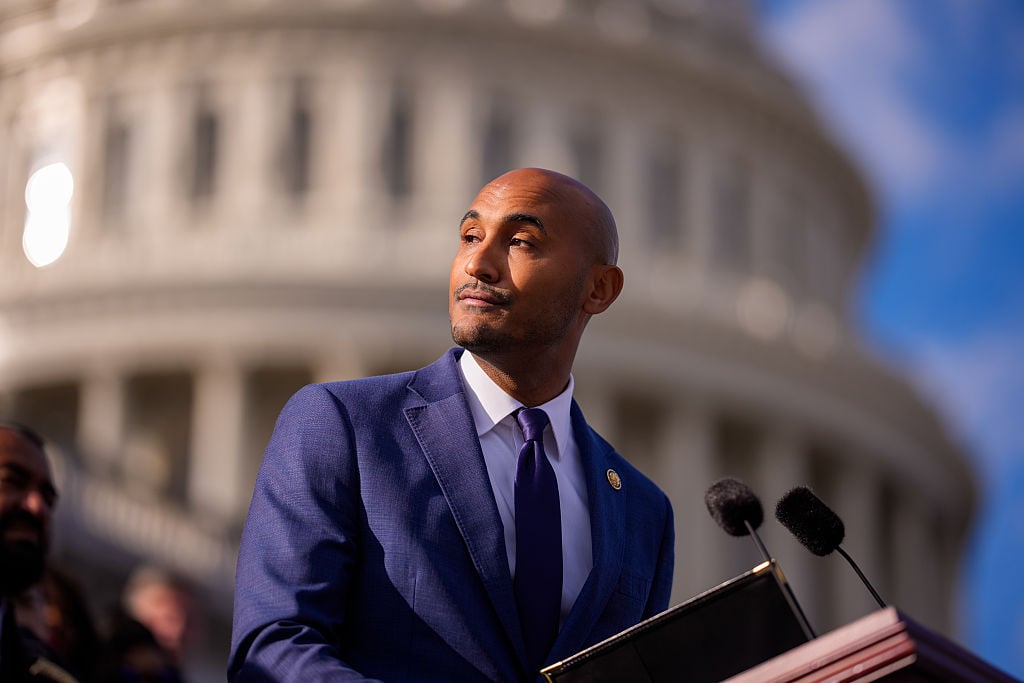
“This is a Court that is stripping Black voters of power and voice at a speed that would put Jim Crow jurists to shame,” said Kristen Clarke, General Counsel at the NAACP, and a former U.S. assistant attorney general of the Civil Rights Division at the U.S. Department of Justice.
In a late Tuesday night ruling, the U.S. Supreme Court gave Alabama Republicans the green light to eliminate one of its majority-Black districts, despite ruling in 2022 that such a congressional map was racially discriminatory.
The conservative majority cites its recent controversial ruling in Louisiana v. Callais, which now makes it harder to prove racial discrimination in election maps under Section 2 of the Voting Rights Act, ruling that Black voters in Alabama would have to adhere to the new criteria. As a result, Republican state lawmakers are expected to quickly finalize a new map that eliminates one of two majority-Black districts.
Republicans are targeting Alabama’s 2nd Congressional District, represented by Democrat U.S. Congressman Shomari Figures. The other majority-Black district is held by U.S. Rep. Terri Sewell.
“This is a Court that is stripping Black voters of power and voice at a speed that would put Jim Crow jurists to shame. Our message to communities remains the same — the best way to express dissent is by showing up at the ballot box this election season,” said Kristen Clarke, General Counsel at the NAACP, and a former U.S. assistant attorney general of the Civil Rights Division at the U.S. Department of Justice. “The Supreme Court continues to unleash chaos in our democratic process, and with this latest action, gives Alabama approval to use a congressional map that had previously been found to be intentionally discriminatory.”
The Supreme Court’s ruling comes amid southern states — empowered by the high court’s Callais ruling — swiftly redrawing congressional maps in a race to potentially determine the outcome of political control in Congress in this November’s midterm elections.
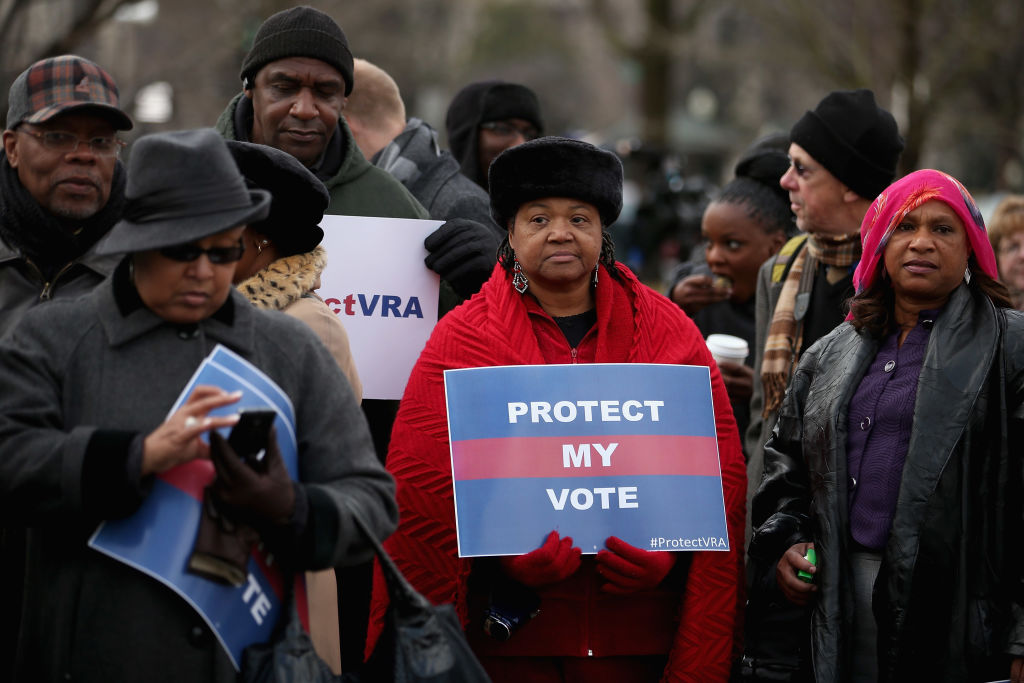
However, the court’s liberal justices argue that the new order not only discriminates against Black Alabamians but contradicts a 2022 ruling that affirmed their right to two majority-Black districts based on their population. One in four Alabamians (26.5%) is Black.
“Now the Court is squarely faced with a record of the turmoil it has caused and the harm it has wrought. Yet just as Alabama doubled down on racial discrimination, the Court today doubles down on chaos,” wrote Justice Sonia Sotomayor in her dissent, joined by Justices Ketanji Brown Jackson and Elena Kagan. “Because I choose to defend the rule of law and the right of all Alabamians to participate equally in democracy, I respectfully dissent.”
Alabama is now set to join Republican-led states like Louisiana, Tennessee, Florida, Texas, North Carolina, Ohio, and Missouri that passed new congressional district maps that drew out Black voters — traditionally Democratic voters — to dilute their voting power. Democrats in California sought to even the political playing field with a new map of their own that gives them five additional seats in the United States House of Representatives. The redistricting battle has been brewing since last year, when President Donald Trump, fearful of his party’s defeat in November, demanded that Republicans redraw maps more favorable to Republicans.
U.S. Rep. Hakeem Jeffries (D-N.Y.), the Democratic leader of the U.S. House, who, if Democrats win a majority in November, will become the first African-American to serve as Speaker of the House, blasted the high court’s decision.
“The far-right Supreme Court has issued another partisan redistricting decision. Extremist MAGA justices have done nothing but advance the political interests of the Republican Party,” said the top Democrat. He added, “They have zero credibility.”