
Six Years After George Floyd: History Doesn’t Repeat Itself, It Rhymes
Six years ago, the world watched in horror as a white Minneapolis police officer pressed his knee into George Floyd’s neck for more than nine minutes, killing him in broad daylight while bystanders begged for mercy.
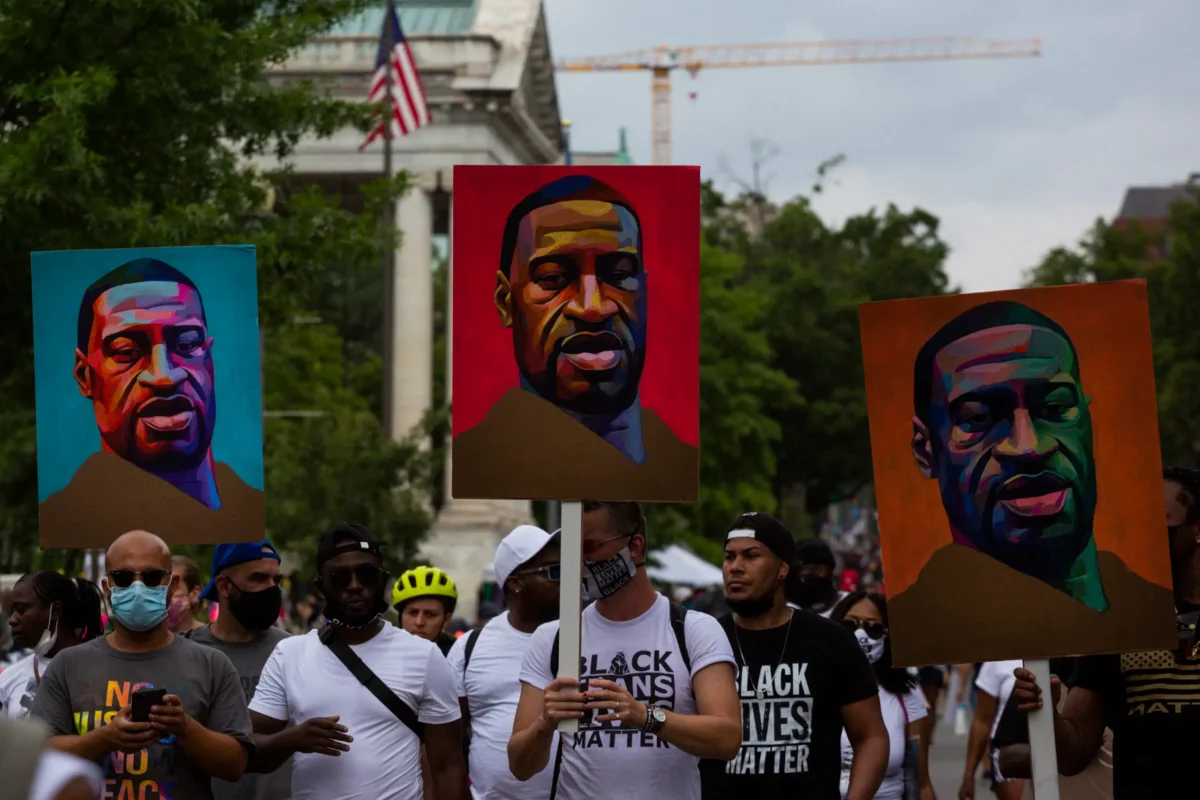
Floyd’s death sparked a global reckoning on race, policing, and justice. Streets filled with protesters, communities organized, corporations issued promises, and many Americans believed the country had finally reached a turning point.
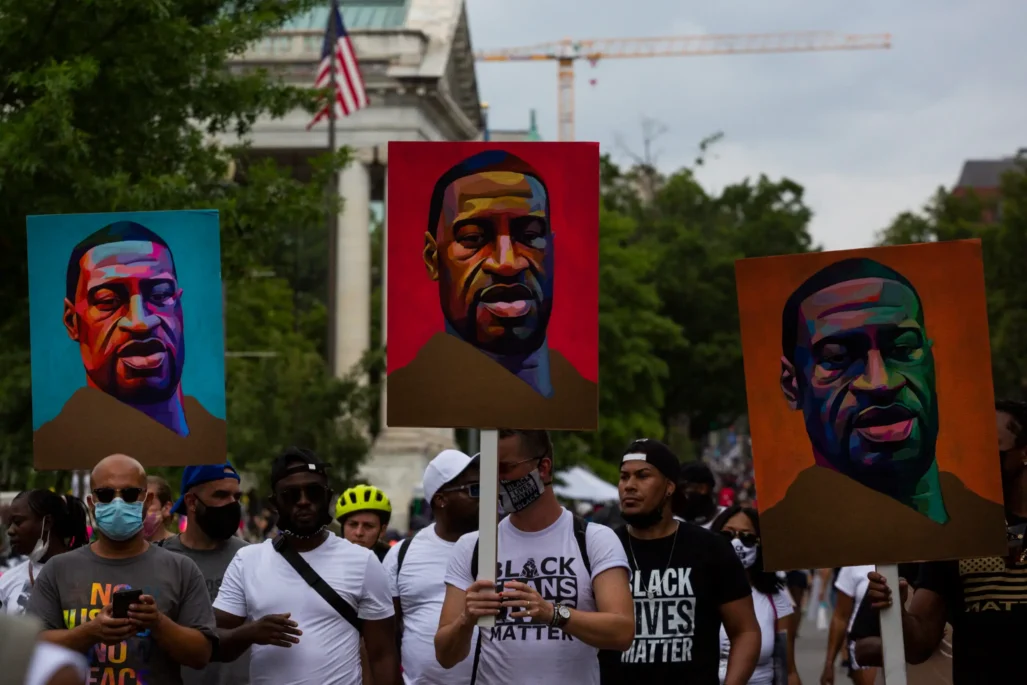
But in 2026, as voter redistricting battles spread across the country ahead of another pivotal election cycle, many civil rights leaders are questioning whether the urgency that followed Floyd’s murder has faded into political memory.
Atlanta Black Star spoke with activists, attorneys, and movement leaders who say the fight for racial justice never stopped, even if much of the country moved on.
America Is Still Living Through a Modern Civil Rights Era
Attorney Gerald A. Griggs, chairman of the board for the Georgia NAACP, said Americans have become dangerously comfortable believing progress automatically continues without sustained pressure.
“Americans seem to have a schizophrenic view of the progress made since George Floyd,” Griggs told Atlanta Black Star. “Black Americans need to stop resting and respond.”
Griggs recalled learning about Floyd’s death while already protesting another case that shook Georgia months earlier, the murder of Ahmaud Arbery. Arbery, a 25-year-old Black man, was chased down and killed while jogging through a Brunswick neighborhood in February 2020, a crime that reignited national conversations about racism and vigilante violence.
For Griggs, the connection between Arbery, Floyd, and later the killing of Rayshard Brooks in Atlanta just weeks later proved that 2020 was not an isolated moment, but the continuation of a much longer struggle.
“In 2020, we had George Floyd; 18 days later, it was Rayshard Brooks right here in Atlanta,” Griggs said. “This is still happening. America, especially Black America, needs to wake up.”
He also pointed to ongoing fights over voting rights and political representation as evidence that the country remains locked in what he describes as a modern civil rights era. Griggs recently joined demonstrators in Selma and Montgomery, Alabama, where protesters rallied against redistricting efforts critics say weaken Black political power in Southern states.
“We are in a civil rights era,” Griggs said. “The question is whether people recognize it before more rights disappear.”
Black Communities Never Had the Luxury of Forgetting
Cicley Gay, chairwoman of the Black Lives Matter Global Network Foundation, said the emotional weight of Floyd’s death never left Black communities, even if broader public attention faded.
“I think for mainstream America, some people just saw protests,” Gay said. “Many of us saw people fighting to simply be recognized as human, and that was nothing new.”
Gay said one of the most painful realities is how quickly the country forgets the countless victims whose names never trend nationally.
“People don’t fully understand how many lives are impacted every single day,” she said. “Communities are devastated long after cameras leave.”
Raised in Topeka, Kansas, the city tied to the landmark Brown v. Board of Education decision ending school segregation, Gay said she sees troubling echoes of the past resurfacing in modern political and cultural battles.
“We’re hearkening back to another era,” Gay said. “But love is not soft. Love is strategic. It is infrastructure. It’s what allows movements to survive after the cameras leave.”
She acknowledged that one of the greatest challenges facing modern activism is division within movements themselves.
“To be candid, one of the hardest parts of this work has been the division among people who all claim they want progress,” Gay said.
Still, despite growing polarization, Gay said she remains hopeful because history proves culture can shift over time.
“We’ve seen how policy eventually changes expectations,” she said. “Things people consider acceptable today may one day be viewed as absurd, but only if people stay loud and consistent enough.”
America Abandoned Many Promises Made in 2020
Civil rights attorney Lee Merritt, who represented Floyd’s family following the 2020 killing, offered perhaps the starkest assessment of America’s response. Merritt argued the country failed to deliver on many of the sweeping promises made during the height of the protests.
“In those first months, elected officials, corporations, and institutions promised transformation,” Merritt said. “What we’ve seen instead is a brief season of courage followed by a long season of retreat.”
Merritt noted there is still no comprehensive federal police reform law named after Floyd, while major structural issues, including qualified immunity protections for officers, remain largely untouched years later.
He also argued the timing of Floyd’s death during the COVID-19 pandemic created a rare national pause that forced Americans to confront what happened in a way that may not occur today.
“In 2020, people couldn’t look away,” Merritt said. “The country was forced into a moral timeout. Today, distractions are back, polarization is louder, and people have grown numb to injustices they once swore they would never tolerate again.”
According to Merritt, the danger now is that many Americans remember the protests more vividly than the demands behind them.
“The story became a cultural flashpoint instead of a mandate for lasting change,” he said.
Six Years After George Floyd: History Doesn’t Repeat Itself, It Rhymes