
Juneteenth in Hampton: Why one Virginia city is telling America’s freedom story through music, memory and truth
As the nation approaches its 250th birthday, Hampton, Virginia, is reminding America that the story of freedom didn’t just happen here—it’s still being written.
There are some places where history feels like a chapter in a textbook. Then there are places where history feels alive.
This Juneteenth, Hampton, Virginia, is making a compelling case that it belongs firmly in the latter category.
As communities across the country celebrate Juneteenth—the federal holiday commemorating June 19, 1865, when enslaved people in Texas finally learned they were free more than two years after the Emancipation Proclamation—Hampton is leaning into a deeper truth: freedom in America has always been a journey, not a destination, according to press releases.
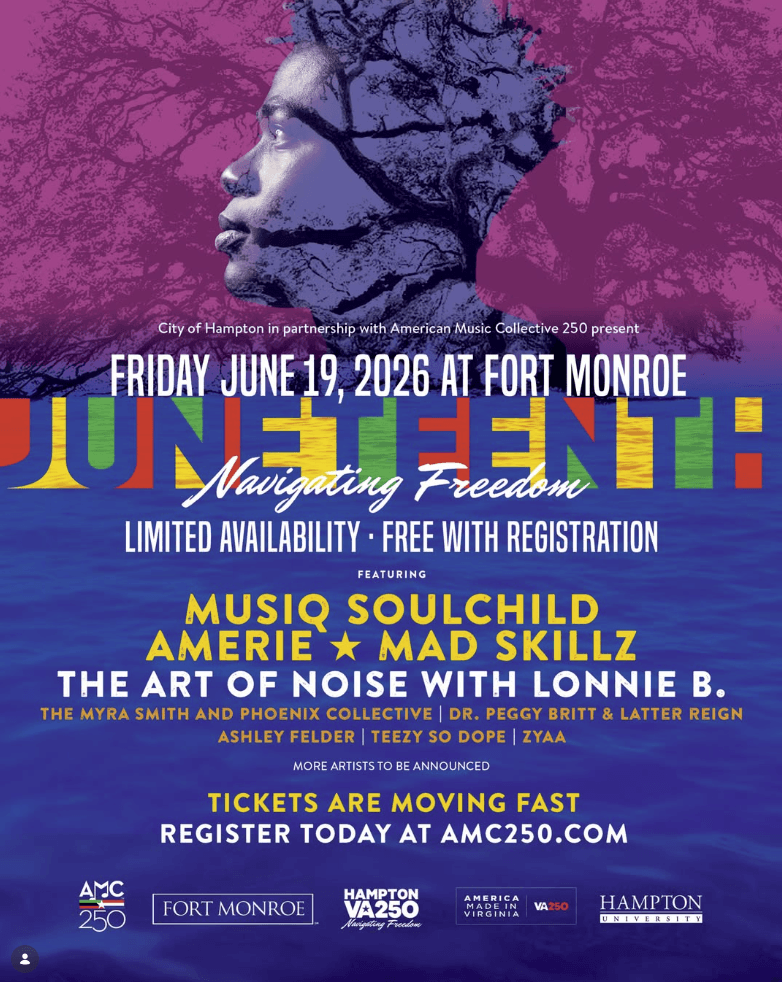
That idea sits at the heart of the “AMC250 Juneteenth Cultural Experience: Navigating Freedom,” a two-day event taking place June 18-19 at Hampton University and Fort Monroe. The gathering is part celebration, part cultural education and part living history lesson, bringing together music, storytelling, scholarship and community in a place that has witnessed some of the most consequential moments in Black American history.
And honestly? There may not be a more fitting backdrop.
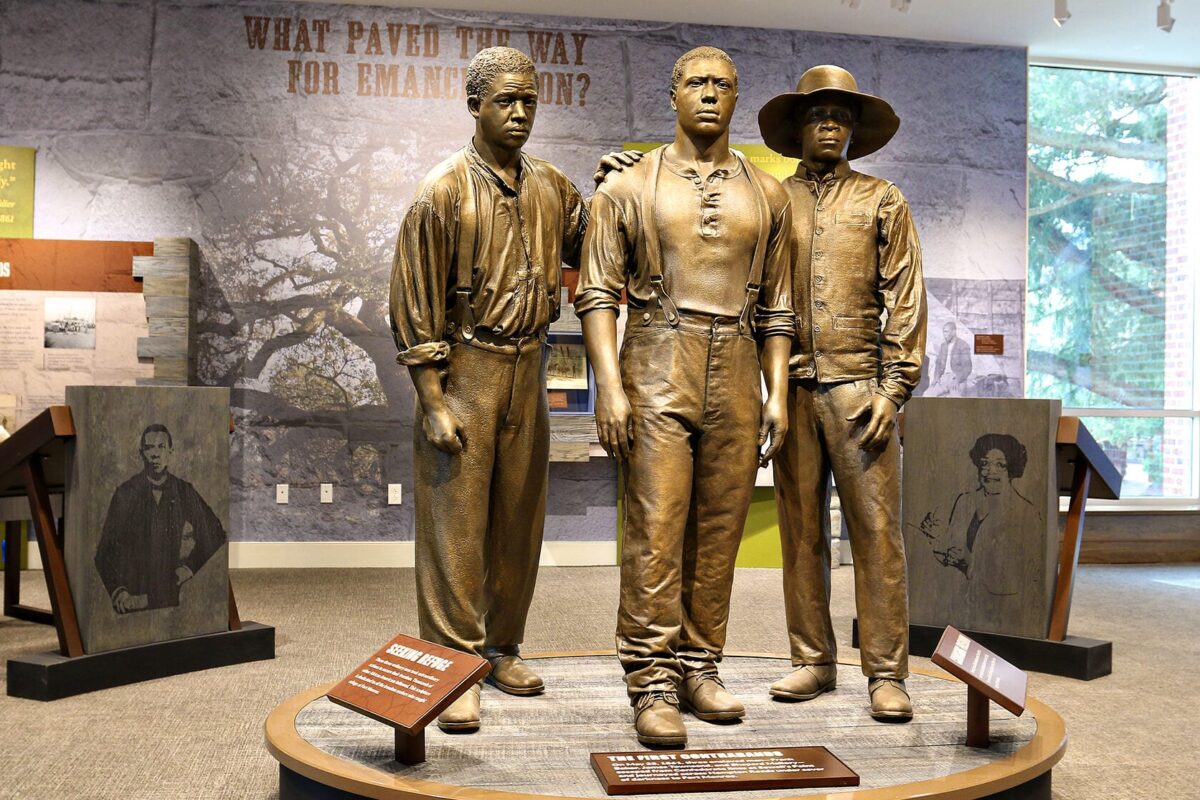
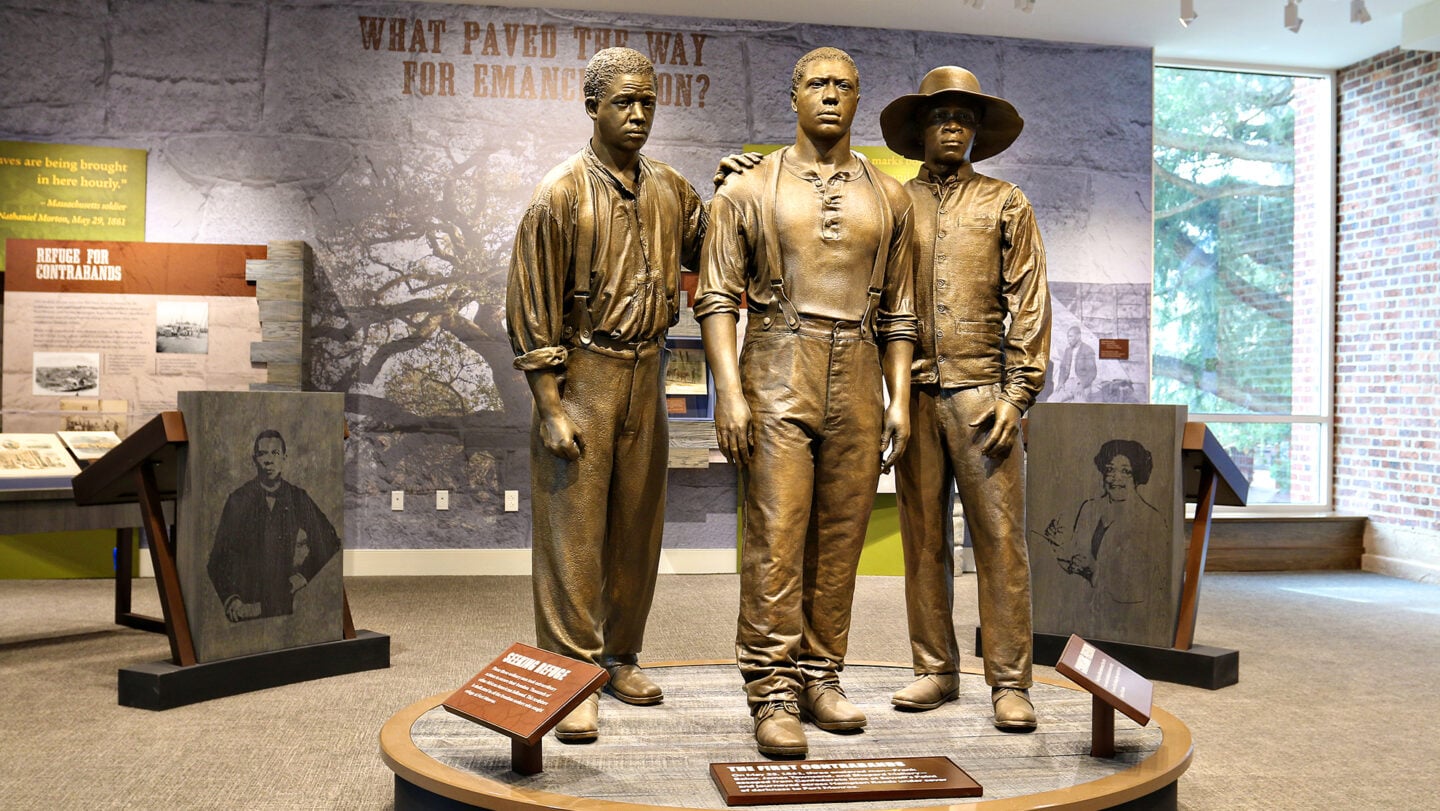
Long before Juneteenth became a national holiday, Hampton’s soil held some of the earliest chapters of the African American experience. Point Comfort, now part of Fort Monroe, is recognized as the location where the first documented Africans arrived in English North America in 1619. More than two centuries later, Fort Monroe became known as “Freedom’s Fortress,” where self-emancipated enslaved people sought refuge during the Civil War, helping unravel the institution of slavery itself. Meanwhile, Hampton University’s historic Emancipation Oak stands as the site where the Emancipation Proclamation was read publicly in the South in 1863.
That’s not just history. That’s the blueprint.
The Juneteenth celebration begins beneath that very tree with an opening ceremony, a reading of the Emancipation Proclamation and conversations exploring Black relationships to land, memory and freedom. Organizers describe the experience as something far more intentional than a festival. It is designed as a commemorative gathering rooted in truth-telling, cultural preservation and historical reflection.
Then comes the music.
Because if there’s one thing Black people have always done, it’s turn testimony into song.
The Fort Monroe celebration on Juneteenth will feature performances from R&B favorites Musiq Soulchild and Amerie, along with Virginia hip-hop legend Mad Skillz, regional artists, spoken-word performers and cultural exhibitions that connect Black music directly to the broader American story.
That connection is no accident.
The event is organized by the American Music Collective 250 (AMC250), an initiative created to highlight the enduring influence of African American music, storytelling and artistic expression on American culture as the country prepares to mark 250 years since its founding. Organizers see Black music not as a side note to American history but as one of its defining narratives.
The celebration also aligns with Freedom Forward, a statewide initiative launched by Virginia’s American Revolution 250 Commission in partnership with the Fort Monroe Foundation and the Djimon Hounsou Foundation. The project encourages people to engage with sites and stories that illuminate African Americans’ ongoing freedom journey throughout Virginia. Juneteenth serves as one of the initiative’s cornerstone commemorations.
What makes this moment particularly powerful is that it arrives during a national milestone that often invites celebration without reflection. Hampton’s approach suggests that the two don’t have to be separated.
You can sing along to Musiq Soulchild and Amerie. You can gather with family, eat good food and celebrate survival.
But you can also stand beneath a tree that witnessed history, walk the grounds where freedom seekers found refuge and remember that every generation inherits the responsibility to push the story forward.
That’s what Juneteenth has always been about.
Not just looking back at freedom won, but asking what freedom requires of us now.
And if Hampton has anything to say about it, the answer starts with remembering the whole story.