
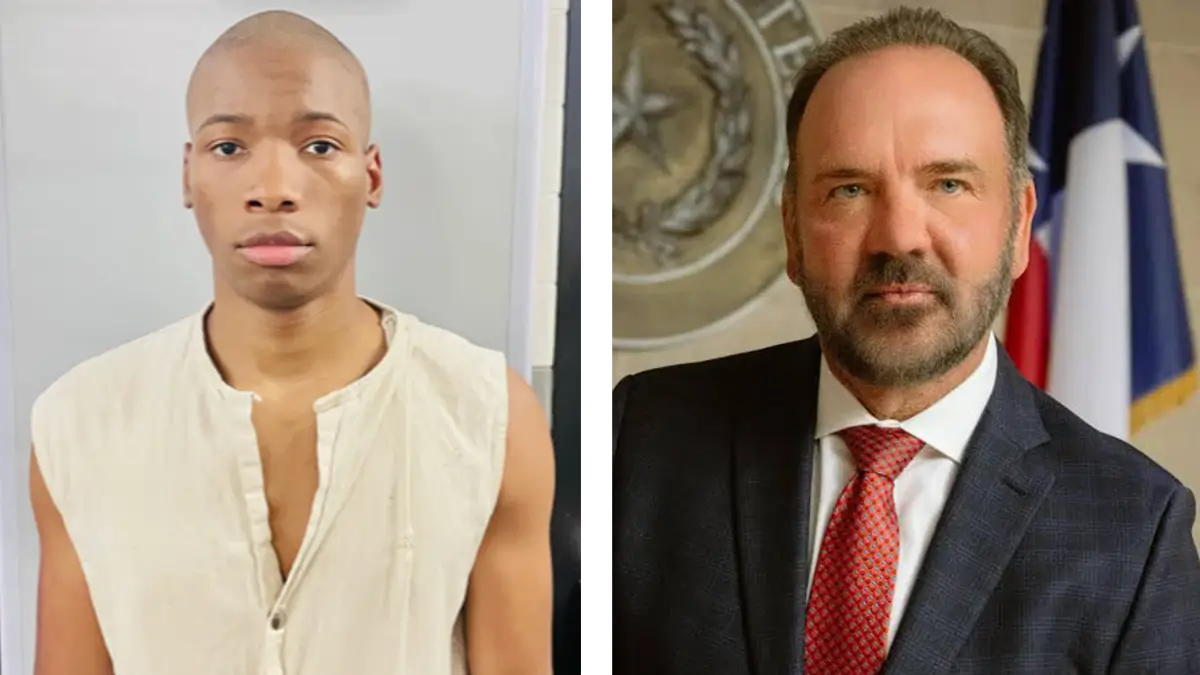
‘It Looks Suspicious’: Legal Experts Say Exclusion of Black Jurors Could Be Key to Karmelo Anthony Appealing Texas Conviction
The Texas jury that sentenced Karmelo Anthony to 35 years in prison this month did not include a single Black juror, even though the initial jury pool was made up of almost 600 residents of Collin County, where more than 10 percent of residents are Black.
And that judicial decision is where Anthony stands the best chance to successfully appeal his conviction, according to legal experts interviewed by Atlanta Black Star.
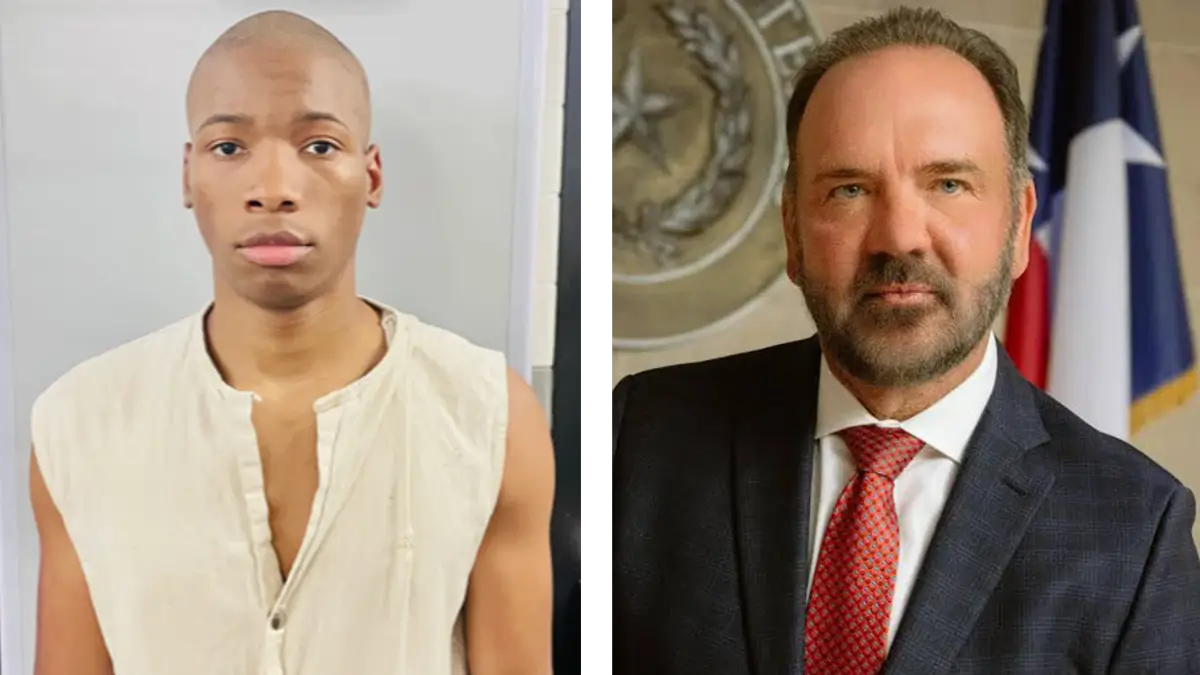
“I know during the jury selection process, the district attorney struck three qualified Black jurors,” said Alexis Hoag-Fordjour, a criminal law professor at Brooklyn Law School and a nationally recognized expert on race and the criminal legal system.
“And what I mean by three qualified Black jurors is these were jurors who indicated that they could view the evidence impartially.”
Why Were Black Jurors Excluded?
But the three Black women were rejected because they were educators, which prosecutors argued would make them too biased to serve as qualified jurors in a case stemming from an altercation between two high school students on school grounds.
The initial jury pool consisted of 589 prospective jurors, which was narrowed to about 250, then to 18 final jurors, including 12 seated jurors and 6 alternates.
It is unconstitutional to reject jurors based on race, ethnicity, or gender, which is why prosecutors based their rejection of the Black women on their occupations.
However, if it turns out that other non-Black jurors were also educators, that would provide Anthony with a solid argument to present to the appellate court, Hoag-Fordjour said.
“I haven’t read the transcript, but if any of those 18 people are educators and said they were educators, we know that wasn’t a race-neutral reason – that was just pretext,” she said.
How Peremptory Strikes Shape Jury Selection
In every state except one, prosecutors and defense attorneys are allowed to reject jurors through peremptory strikes, which means they do not have to give a reason as long as it is not explicitly based on race, ethnicity, or gender.
Opposing attorneys can challenge these strikes, which then requires them to provide a reason for striking the jurors; in this case, the reason was that they were educators.
Anthony’s lawyers objected under a Batson challenge, arguing that the prosecution’s peremptory strikes against the three Black women were unconstitutional racial discrimination, but the judge rejected the challenge.
Had the trial taken place in Arizona, where peremptory strikes are not allowed, then prosecutors would have had a much harder time rejecting the three Black educators because the state supreme court abolished peremptory strikes in state jury trials.
That means attorneys in Arizona must use concrete, case-specific reasons to reject jurors because the burden is much higher.
In Anthony’s trial, at least one potential Black juror was rejected because he stated he would “have a hard time putting a brother in jail,” which would be allowed in Arizona because that would be “evidence that the juror cannot render a fair and impartial verdict,” according to the state supreme court ruling in 2021.
But that was not the case for the three Black women who were rejected, so they would have had a much better chance of being selected had the trial taken place in Arizona, possibly changing the outcome.
“If the Karmelo Anthony case had been tried in Arizona, a judge probably would have denied the prosecutor’s attempt to strike those Black jurors, and those jurors likely would have served,” said Benjamin Taylor, a civil rights and criminal defense attorney from Arizona who has represented several Black plaintiffs over the years.
Appeals Strategy and Sentencing Concerns
Taylor, who has been practicing law in Arizona since 2005 and is the first Black president of the State Bar of Arizona, also believes Anthony stands a good chance of successfully appealing the case because Black jurors were excluded.
“On its face, it looks suspicious – these jurors were educators, they reportedly said they could be fair and impartial, and yet they were struck,” he said.
He also believes Anthony received a much harsher sentence than other defendants in similar situations, as Atlanta Black Star has noted.
“Thirty-five years is the type of sentence you might expect for someone with prior felony convictions or a long record, maybe someone older,” he said.
“By contrast, from what we know, this appears to be Karmelo Anthony’s first serious offense, and he’s relatively young,” Taylor continued.
“Given that, 35 years seems extremely harsh. The appellate court will be looking at whether the trial and sentencing were conducted properly and whether that sentence is consistent with how similar cases are handled across Texas and even nationally,” he added.
Anthony’s defense team chose to be sentenced by the jury instead of the judge, which is allowed in Texas, likely believing the jury would have more sympathy.
But under Texas law, that decision must be made before the jury is selected, so it’s likely his defense team expected at least one Black juror.
“If they had been allowed to serve, they could have made a difference in the guilt-or-innocence phase and, at the very least, in the sentencing phase,” Taylor said.
“If you have Black jurors who are more sympathetic to and understanding of Karmelo Anthony’s life and background, they might have pushed back on a 35-year sentence,” Taylor explained.
“They could have argued for something closer to what similarly situated defendants receive in Texas.”