
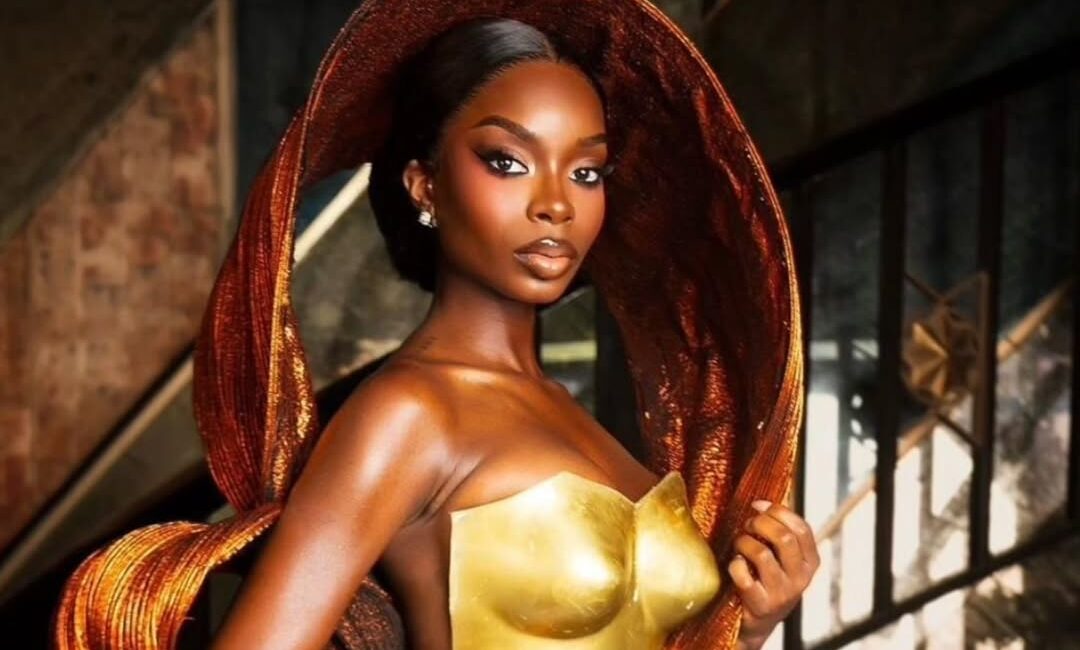
‘Influence isn’t just about entertainment’: Olandria Carthen’s platform goes global in new Rolling Stone Africa cover story
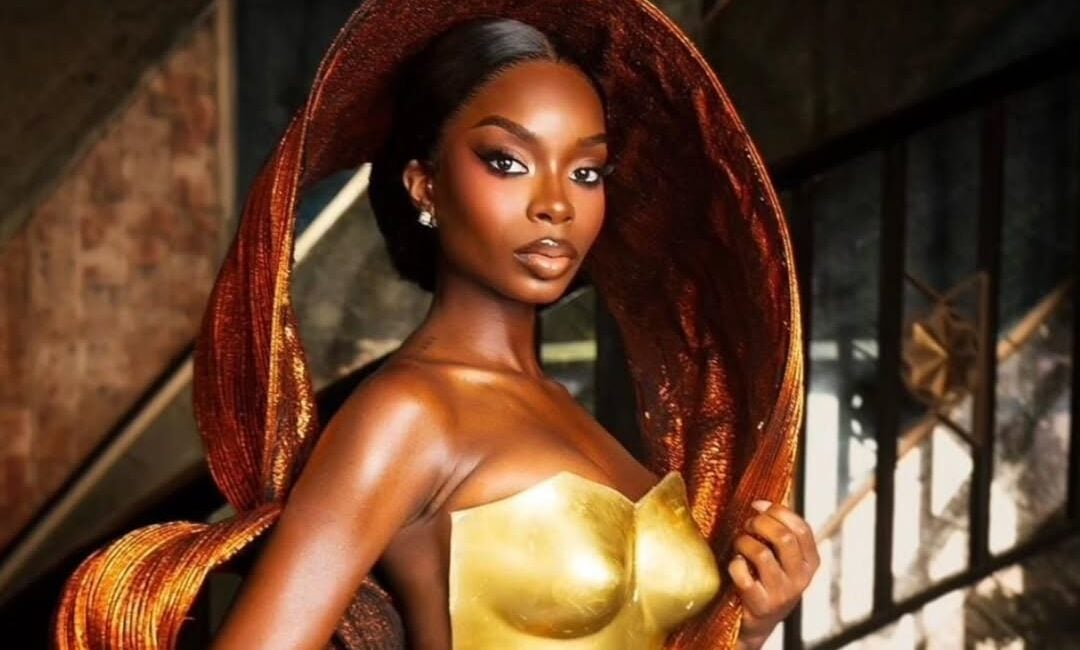
The “Love Island USA” breakout takes her story from Alabama to Lagos, showing what can happen when reality TV fame becomes rooted in purpose.
Olandria Carthen’s post-“Love Island USA” glow-up has entered a new chapter, and this one is bigger than brand deals, red carpets and viral fan edits.
The reality TV breakout, model and fan favorite known affectionately as the “Bama Barbie” is the subject of a new Rolling Stone Africa cover story by Gwen Madiba, and the profile emphasizes Carthen’s influence is no longer just a U.S. pop culture moment. It is starting to travel.
According to the cover story, Carthen recently made her first visit to the African continent, spending nearly a week in Lagos, Nigeria, where fans showed up by the hundreds hoping to see her, meet her or simply tell her what her story has meant to them. For someone many viewers first met in a villa full of cameras, couples, chaos and online discourse, that kind of reception says something.
This is not just about being famous after reality TV. It is about what happens when a Black woman’s presence becomes meaningful to people who may never have met her but feel they understand something about her.
Carthen’s rise has never been just another influencer arc. Since leaving the villa, she has been moving with a kind of steadiness that makes her easy to root for. She has spoken about learning to slow down and live in the moment. She has celebrated becoming a homeowner. She has been embraced by fans who saw her as more than a contestant and more than half of a reality TV couple.
But this new feature gives that story a wider frame. It moves Carthen from post-show success to global impact as a Southern Black woman from Alabama, a Tuskegee University graduate and former elevator industry professional, who is welcomed in Lagos as someone whose authenticity has crossed borders.
Reality television can make people recognizable overnight, but recognition and resonance are not the same thing. Plenty of people become known. Fewer become trusted. Even fewer become a mirror for the people watching them.
Carthen’s appeal has always been rooted in the fact that she does not seem to be performing perfectly. She has glamour, yes. Her face card is tea, yes. Her fan base is loyal, clearly. But much of her connection with Black women, in particular, seems to come from the fact that she presents confidence as something human and ongoing, not something airbrushed and unattainable.
In the Rolling Stone Africa interview, Carthen reflects on the difference between fame and identity, saying, “Fame is a circumstance.” It is a simple statement, but for someone living in the churn of public attention, it lands.
Fame can be loud, and parasocial relationships can make strangers feel entitled to your time, your relationship, your body, your silence, your personality and your next move. And for Black women in the public eye, that pressure often comes with an extra layer of scrutiny.
Carthen’s public journey has required her to navigate all of that while staying recognizable to herself.
That is why her trip to Nigeria feels like more than a press run. During the visit, Carthen spent time with students and helped distribute more than 200 backpacks with support from Kazamance. She also discussed her work as a Microsoft Copilot Ambassador and her interest in expanding access to education and technology for young people.
In other words, she is not just taking the spotlight overseas. She is trying to make the spotlight useful.
That matters in an era when influence is often measured by followers, engagement and how fast someone can turn a viral moment into a campaign. Carthen’s story suggests a different question: Once people are watching, what are you going to show them?
For Carthen, at least in this chapter, the answer appears to be service, self-acceptance and possibility.
She spoke in the interview about young people needing someone to believe in them and described the power of simply showing up. That sentiment may sound modest, but it is also deeply aligned with why her fan base has remained so invested. People do not just want to see her win. They want to believe that her wins mean something.
There is also something culturally significant about seeing Carthen’s journey stretch from Alabama to Nigeria. Black American celebrities have always had a complicated yet powerful relationship with the African continent, spanning music and fashion, film, philanthropy and identity. When the connection is handled with care, it can become more than symbolism. It can serve as a reminder that Black stories do not have to stay boxed in U.S. entertainment categories.
Carthen’s rise began, for many viewers, as a dating-show storyline. But her latest chapter places her inside a larger conversation about Black visibility, diaspora connection and what representation can look like when it is not stripped of softness, faith, beauty or Southern roots.
The villa introduced her to millions. Her choices since then are what continue to define her.