
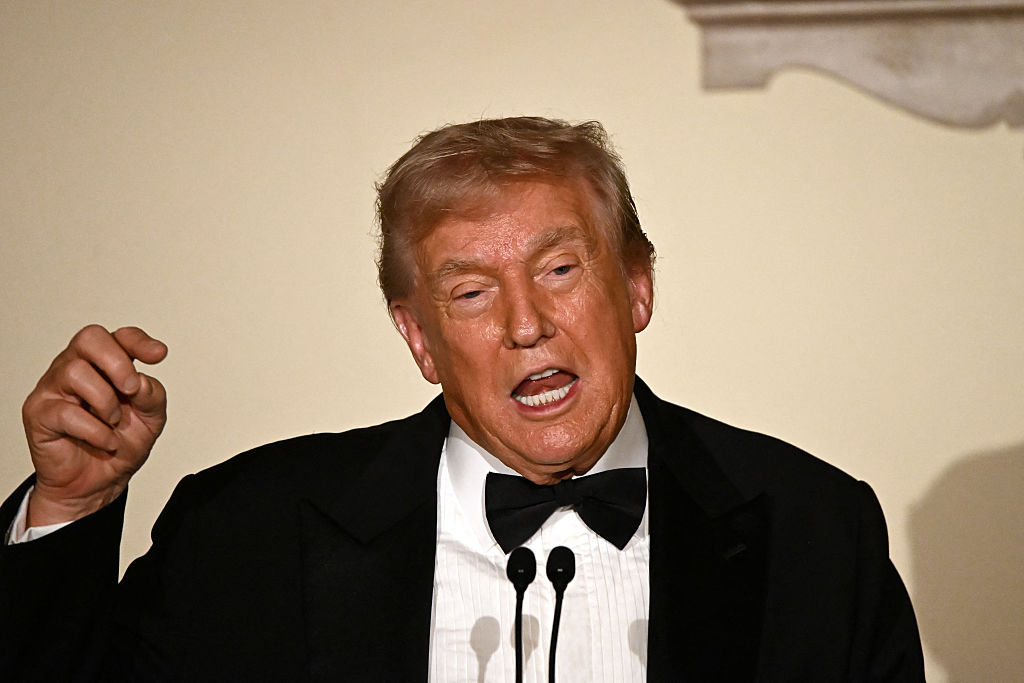
‘Idiot’: Trump Spirals Mid Interview, Pats Himself on the Back, and Blurts Out a Nickname Critics Say He Apparently Gave Himself
Donald Trump’s notoriously strange obsession with nicknames took a bizarre turn when he suddenly claimed some colleagues refer to him as a father figure, and no one believes it. The odd claim was dropped so casually that it stunned even long-time political observers, turning an otherwise routine interview into something that felt more like improv theater than policy talk.
Viewers immediately scrambled to hit replay on Trump’s Politico interview to make sure they heard correctly, as the offhand claim swerved the conversation into late-night-sketch territory instead of serious political discussion.
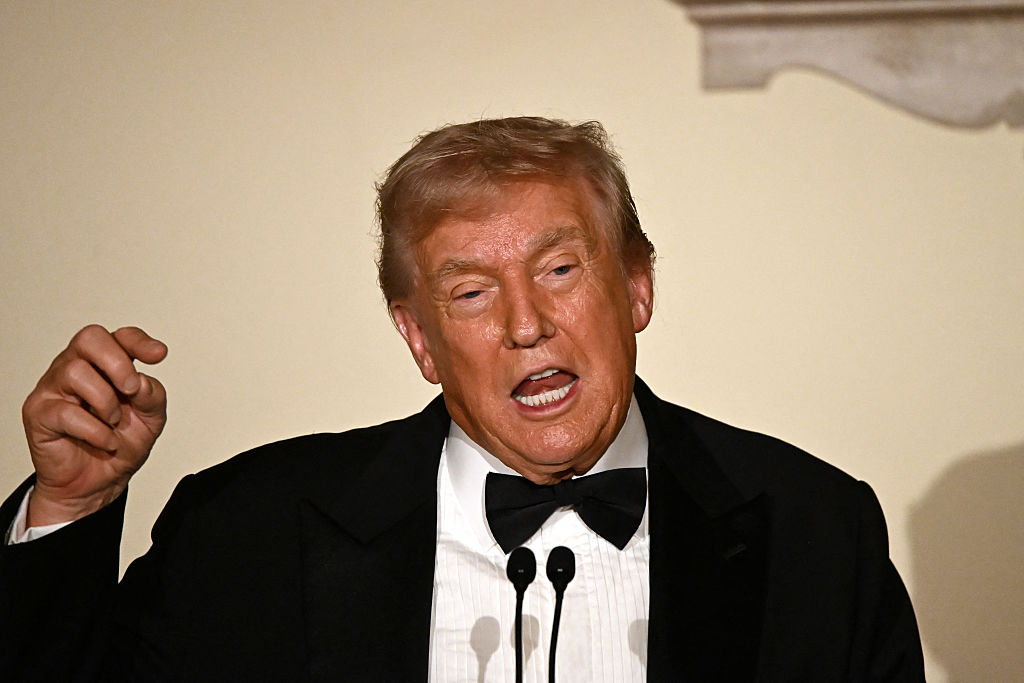
The comment surfaced during his appearance on “The Conversation with Dasha Burns,” where Trump casually dropped his self-proclaimed nickname as if it were widely known — right in the middle of explaining his relationship with Europe and scolding European nations over their defense spending.
“I wanna run the United States. I don’t wanna run Europe,” he said. “I’m involved in Europe very much, NATO calls, ‘Daddy.’ I mean, I have a lot to say about it.”
The phrasing sounded less like collaboration and more like dominance, a way of framing himself not as a partner but as an overseer. To many, it revealed how he prefers to situate himself above the organization — signaling power not through diplomacy but by diminishing the people he claims rely on him.
When the clip landed online, Threads lit up instantly.
“He didn’t just think that, he said it out loud!” one viewer posted after replaying the segment.
Another joked, “I think you’re hearing impaired, I think they say ‘doddery,’” referring to his slow and steady moving.
Lmao why he had to throw that in?
— Stan
(@Stanely_ai) December 9, 2025

One more added disbelief to humor, writing, “Barron doesn’t even call him daddy.”
Someone else didn’t hold back, saying, “No one calls you daddy. Not even your kids.”
A fourth joked, “Lmao why he had to throw that in?” And one final user summed up the confusion with, “They call him an idiot, but he hears daddy. lol!”
The thread showed a mix of humor, shock, and familiarity — because Trump’s nickname theatrics tend to leave people either laughing or cringing.
His relationship with naming people has been part of his public identity for years. Trump sees nicknames as a tool — a way to unsettle opponents, flatter allies, entertain himself, or boost his image. Some of the names he has used are: “Little Marco,” “Sleepy Joe” and “Crazy Nancy” or “Machine gun.” He treats it like branding, using labels to reshape how others are perceived and, at times, how he wants to be perceived.
Trump: Our superstar, Karoline. When she gets up there with that beautiful face and those lips that don’t stop, bop bop bop, like a little machine gun. pic.twitter.com/JpcF7rN2jd
— FactPost (@factpostnews) December 10, 2025
So when he claims others use affectionate names for him, it often feels less like confession and more like an effort to bolster his own mythology.
Just days before the NATO remark, Trump told the world that Melania calls him “darling,” reenacting a scene involving construction noise at their residence. He recited the line and presented the exchange as proof of warmth and partnership. But online, the reaction was mostly disbelief, with many noting that
Earlier in the year, he said he no longer calls his wife by her real name but calls her “first lady”. Whether he is talking about his wife, world leaders, or political rivals, the labels often elevate him more than the people he’s describing.
Those habits are visible in the workplace too.
Karoline Leavitt, the youngest White House press secretary in American history, has become one of the commander in chief’s favorite recipients of flattering labels.
Trump has called Leavitt his “superstar” and made comments no boss should ever make about their subordinate more than once, doing so publicly during a Washington press event in 2025 and again during his meeting with Hungarian Prime Minister Viktor Orbán. Even in praise, the presentation felt theatrical — as if announcing her value also reinforced his authority in discovering it.
For many, the substance of his NATO argument faded into the background because of his silly quip. What remained was the spectacle — the latest entry in Trump’s growing catalogue of nicknames, self-portrayals, and moments that seem designed to dominate the conversation, even when they leave audiences unsure whether to laugh, gasp, or simply hit replay.