
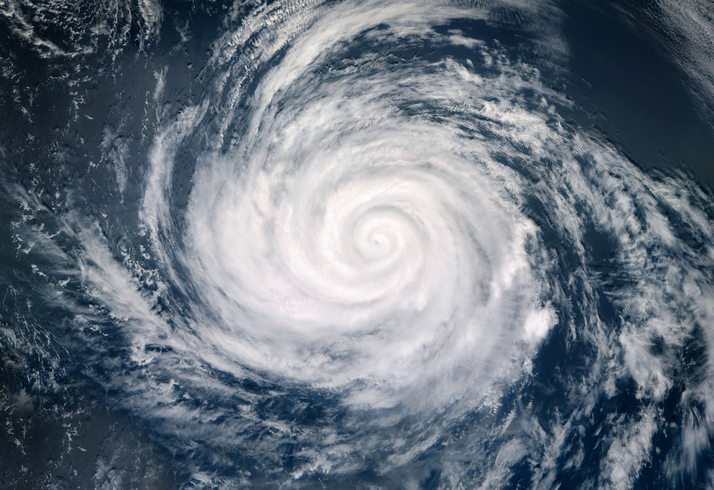
Hurricane Season Is Here: The Preparedness Checklist Every Black Family Needs
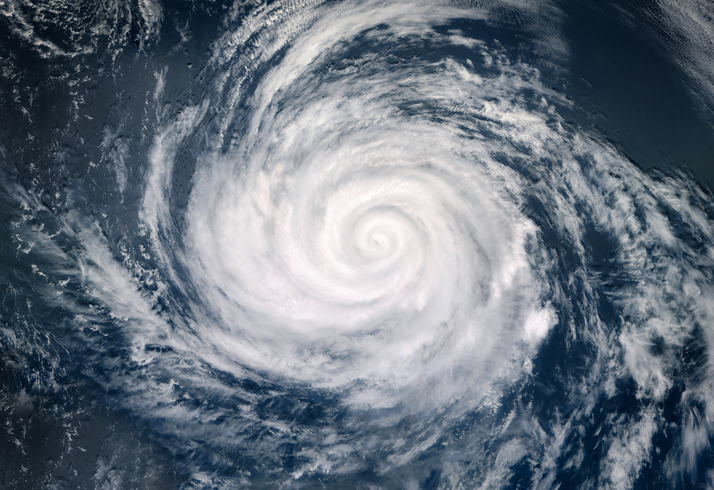
June 1 marks the official start of Atlantic hurricane season, which runs through November 30. This year, officials with the National Oceanic and Atmospheric Administration (NOAA) are forecasting a below-normal hurricane season, largely due to the expected strengthening of the El Niño weather pattern throughout the coming months. Here’s what we know and what Black families can do to prepare ahead of hurricane season.
Here’s what the NOAA predicts about the Atlantic hurricane season.
According to a press release issued by the NOAA on May 21, there is a 55% chance of a below-normal season, a 35% chance of a near-normal season, and only a 10% chance of an above-normal season. Interestingly, forecasters predict between eight and 14 named storms this year. A named storm is one with sustained winds of at least 39 mph. Of those storms, three to six are expected to strengthen into hurricanes with winds of 74 mph or greater.
The NOAA also projects that one to three of those hurricanes could become major hurricanes, classified as Category 3, 4, or 5 storms with winds of at least 111 mph. The agency says it has a 70% confidence level in these forecasts. For comparison, an average Atlantic hurricane season produces 14 named storms, seven hurricanes, and three major hurricanes.
So to put it plainly, forecasters think there’s a better-than-even chance that there will be fewer storms and hurricanes this year, but that doesn’t mean people should relax completely.
“Although El Niño’s impact in the Atlantic Basin can often suppress hurricane development, there is still uncertainty in how each season will unfold,” said NOAA’s National Weather Service Director Ken Graham. “That is why it’s essential to review your hurricane preparedness plan now. It only takes one storm to make for a very bad season.”
What is the El Niño weather pattern?
El Niño is a naturally occurring climate pattern that can significantly influence weather conditions around the globe. According to Yale Climate Connections, El Niño affects hurricane activity differently in the Pacific and Atlantic basins. In the tropical Pacific, it typically reduces wind shear, creating more favorable conditions for tropical storms and hurricanes to develop. In the Atlantic, however, El Niño generally increases wind shear, making it more difficult for tropical systems to organize and strengthen. Even so, wind shear can vary throughout the season, meaning some areas of the Atlantic may still experience conditions favorable for storm development.
Several indicators suggest a strong El Niño is developing. Tropical Pacific waters have warmed significantly in recent months, with surface temperatures increasing by about 5 degrees Fahrenheit (3 degrees Celsius) between January and May. Scientists have also observed periods of unusually strong westerly winds pushing warm water eastward across the tropical Pacific. Seasonal forecast models indicate that El Niño could peak at strong to very strong levels by late 2026 or early 2027, Yale Climate Connections noted, which will heavily impact the Pacific and the Atlantic Basin.
How Should Black Families Prepare for Hurricane Season?
So, how can you and your family prepare ahead of time? Preparation can save lives and reduce stress during an emergency. According to the National Weather Service, one of the most important steps is knowing whether you live in a hurricane evacuation zone. Families living along the Gulf Coast or Atlantic Coast should check with their local emergency management office or visit their state’s evacuation website to determine if they may need to evacuate during a storm.
Families should also assemble an emergency preparedness kit that includes essential supplies such as bottled water, nonperishable food, medications, flashlights, batteries, first-aid supplies, and important documents. It is also important to inspect emergency equipment, including generators and storm shutters, before hurricane season begins.
Creating or updating a family emergency plan is another critical step. Family members should discuss how they will communicate during an emergency, where they will meet if separated, and where they will go if evacuation becomes necessary. A copy of the plan should be stored in a safe and easily accessible location.
Experts also recommend reviewing homeowners, renters, and flood insurance policies to ensure coverage is adequate before a storm approaches. Understanding weather alerts and the difference between hurricane watches and warnings can also help families make informed decisions when severe weather threatens.
Taking these precautions now can help families stay safe, protect their property, and respond quickly when a hurricane or tropical storm develops.
Stay safe out there.
SEE MORE:
Why Is Hurricane Beryl So Strong So Early?
Hurricane Melissa Hits Jamaica And The Caribbean: How To Stay Safe And Recover