
From ballroom to Broadway, Qween Jean’s Tony win is a victory for Black trans creativity
The “Cats: The Jellicle Ball” costume designer became the first openly transgender person to win a Tony Award, bringing Black queer ballroom culture and Black costume-design excellence to Broadway’s biggest stage.
Qween Jean didn’t just win a Tony Award. She made history by bringing ballroom’s Black queer roots to Broadway’s biggest night.
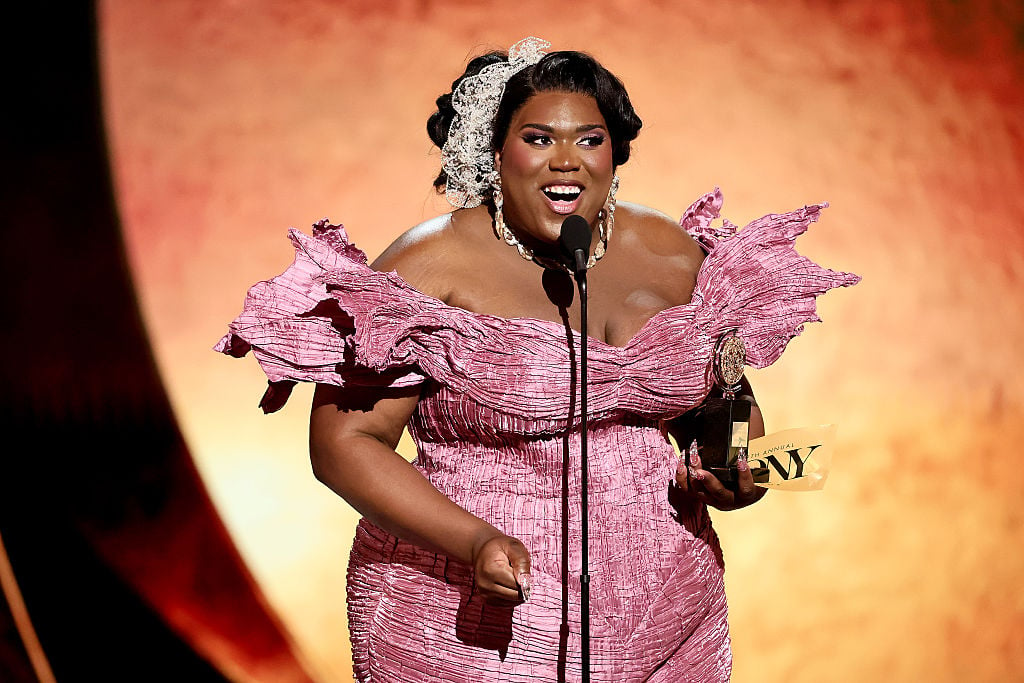
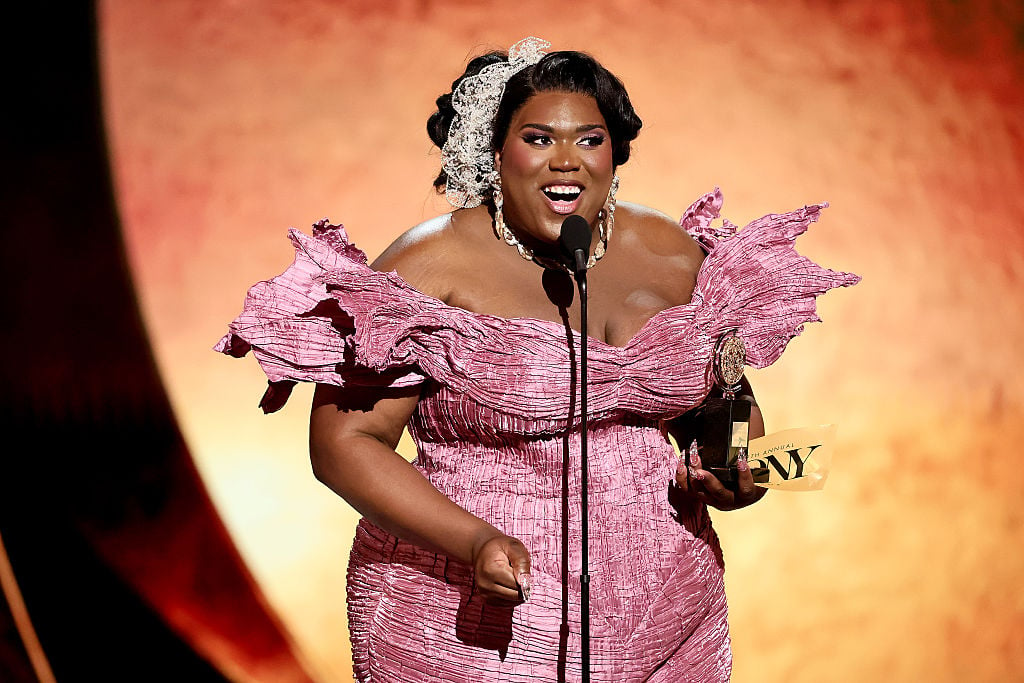
The costume designer and activist became the first openly transgender person to win a Tony Award on Sunday, June 7, taking home Best Costume Design of a Musical for “Cats: The Jellicle Ball”.
But for Black theater lovers, queer creatives, and anyone who knows how often our culture is borrowed before it is credited, Jean’s win was bigger than one trophy. It was a reminder that ballroom is not a trend, a TikTok sound, or a costume party. It is a Black and brown queer cultural institution built from survival, chosen family, fashion, movement, and resistance.
“Cats: The Jellicle Ball” reimagines Andrew Lloyd Webber’s long-running musical through the world of ballroom, transforming the Jellicle Cats into competitors serving looks, categories, and house energy. In Jean’s hands, the costumes do more than dress the characters. They help tell the story of a culture where people who were rejected by the outside world created their own stages, their own families, and their own standards of beauty.
Ballroom culture has shaped mainstream fashion, music, dance, and language for decades, often without the Black and Latino LGBTQ+ communities behind it receiving the recognition they deserve. From voguing to house culture to the language of “serving” and “slaying,” so much of what pop culture celebrates today began in rooms where Black queer and trans people were creating freedom for themselves.
Qween Jean’s Tony win gives that legacy a Broadway spotlight.
The win arrives during a major season for the designer. In addition to her winning work on “Cats: The Jellicle Ball,” Jean was also nominated for best costume design of a play for “Liberation,” making her one of the breakout creative forces of the season. According to People, she accepted the award at Radio City Music Hall in a gown of her own design.
Qween Jean’s achievement sits inside a larger story about Black artists using costume to build worlds and preserve culture. Ruth E. Carter did it on film, becoming the first Black woman to win the Oscar for costume design for “Black Panther” and later making history again with “Black Panther: Wakanda Forever.” Carter’s costumes helped imagine Wakanda as a fully realized Black world, rich with African influence, technology, royalty, and memory.
Jean’s work comes from a different stage, but a similar understanding: clothing is never just clothing.
On Broadway, Jean’s costumes for “Cats: The Jellicle Ball” carry the drama, humor, fantasy, and defiance of ballroom. They signal who these characters are, what they want, and how they move through the world. In communities where presentation has long been a form of protection and possibility, costume becomes armor. It becomes language. It becomes a declaration.
That is part of why Jean’s win lands so powerfully. She is not simply a designer who happened to work on a ballroom-inspired show. She is a Black trans woman and activist whose creative work is connected to the communities being represented. Jean is also the founder of Black Trans Liberation, an organization focused on supporting transgender and gender-nonconforming people in New York City.
That community lens matters at a time when transgender people, especially Black trans women, remain under attack politically, culturally, and physically. Jean’s win does not erase those realities, but it does place a Black trans creative at the center of one of the most prestigious stages in American theater. It says her vision is not fringe. It is award-winning. It is Broadway.
And for a production rooted in ballroom, that recognition feels especially fitting.
Ballroom was born because Black and brown LGBTQ+ people needed somewhere to be seen fully. They created houses when families failed them. They created categories when the world tried to limit them. They created spectacle out of scarcity and elegance out of exclusion. Now, through “Cats: The Jellicle Ball,” that tradition has been translated for Broadway without losing sight of where it came from.
Jean’s historic Tony win is not just about representation. It is about authorship. It is about who gets to tell the story, who gets to design the look, and who gets to be honored for the culture that has always moved the culture.
From Ruth Carter’s Wakanda to Qween Jean’s ballroom, Black costume designers continue to prove that what we wear on screen and stage can carry history, identity, and imagination all at once.