
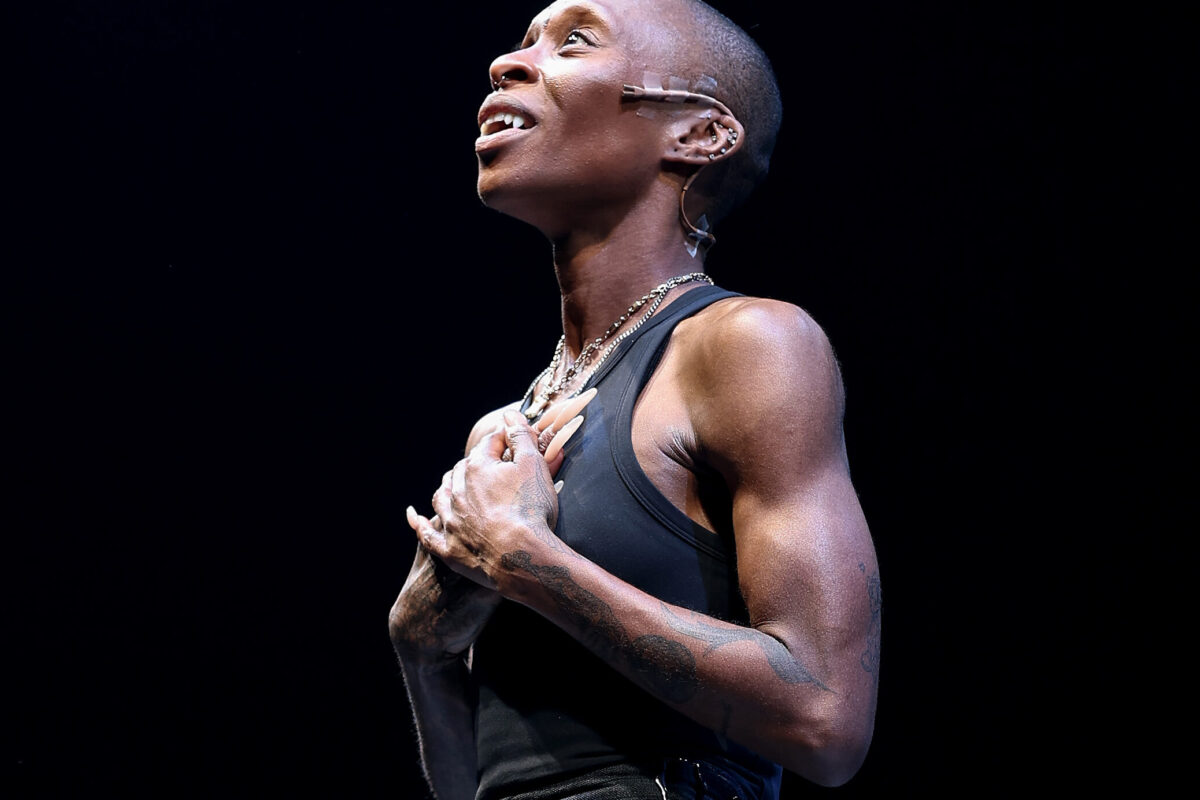
Cynthia Erivo having to stop ‘Dracula’ mid-performance because someone was filming speaks volumes to how entitled we’ve become
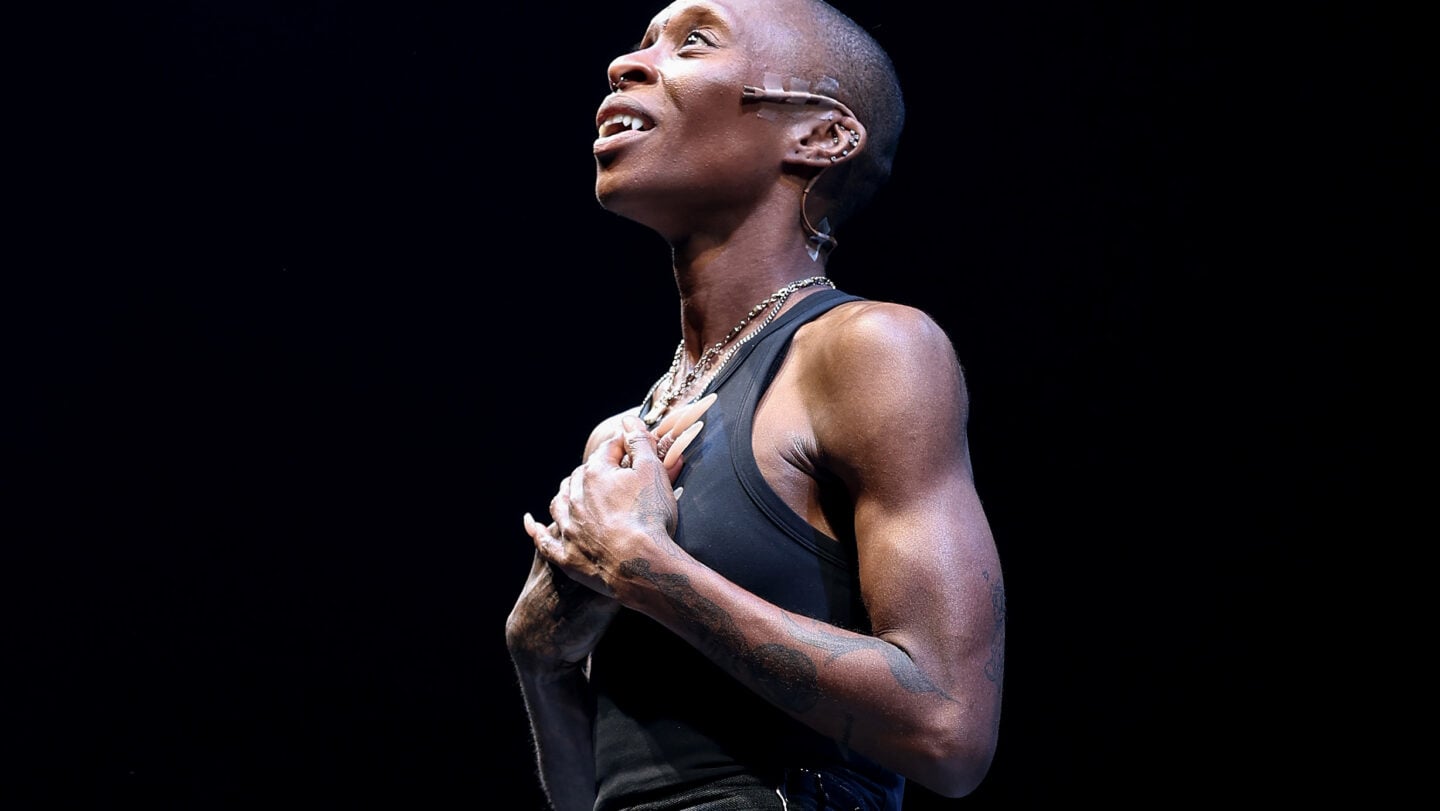
Cynthia Erivo had to pause her one-woman performance of the play “Dracula” at London’s Noel Coward Theatre after an attendee caught recording.
We’re cooked!
During a recent performance of Cynthia Erivo’s one-woman show “Dracula” at London’s Noël Coward Theatre—where she plays the title role along with the 22 other characters in the show night after night through May 30—the actress had to stop the show mid-performance after spotting an audience member filming, despite strict no-phone policies.
According to multiple reports and accounts relayed on social media, Erivo paused while on stage and looked directly at the person before asking, “Are you filming?”
When the audience member replied, “I’m sorry,” she fired back, “Did you just say you’re sorry?” before security moved in and removed the person. Based on footage circulating, an announcement was made to the audience that the show would be removed shortly due to the current fall.
While the performance resumed about 10 minutes later, and much can be said about how rude it is to risk throwing off a performer in the middle of such a feat, it also speaks volumes beyond just theater etiquette. The attention economy that rules the day has made it so the instinct is to record first, post immediately after, and think much later. From strangers on the street to celebrities caught on surveillance footage to actors mid-performance, entitlement to capture content is rampant. It’s as though for many, presence alone equals permission.
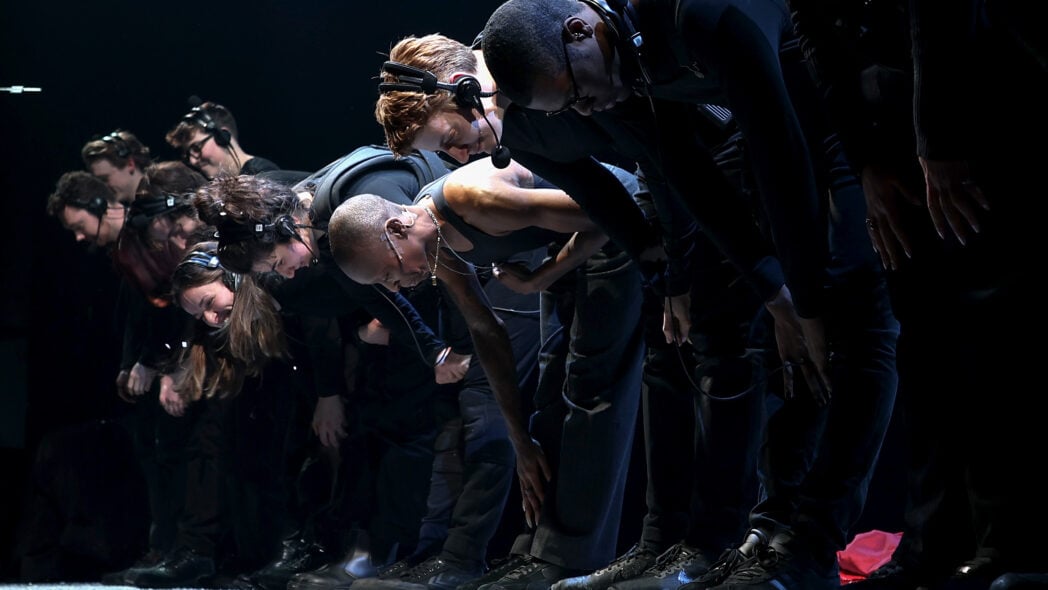
Right now, everything from the most ephemeral experiences to wide-scale activations feels like content. If it’s happening, it has to be filmed. Context doesn’t matter. Consent barely enters the equation. Increasingly, the person being recorded is left to deal with whatever narrative fires up around them after the fact.
Just look at Tyler, the Creator, who recently spoke out after surveillance footage of him casually browsing in a bookstore made its way online. The clip wasn’t scandalous. It wasn’t even particularly interesting. He was just existing. But that was enough to be captured, posted, circulated, and turned into something he had no control over and never agreed to participate in. This phenomenon of watching so many people lose control of their narrative through posts they had no control over is driving the fear of being perceived for so many. People have started editing how they present themselves not just online but in person.
Tyler, in particular, has responded to this current phenomenon by creating spaces where that kind of surveillance can’t follow, hosting no-phone listening parties where fans can actually dance, react, and be present without worrying about becoming the next viral clip.
“I asked some friends why they don’t dance in public, and some said because of the fear of being filmed,” he wrote on Instagram at the time, per Billboard. “I thought damn, a natural form of expression and a certain connection they have with music is now a ghost. It made me wonder how much of our human spirit got killed because of the fear of being a meme, all for having a good time.”
The real underbelly of all of this is how easily this behavior can be weaponized. In March, TikTok had to crack down on networks of accounts sharing explicit AI-generated deepfakes of Black women, banning nearly two dozen accounts. Elsewhere, women have reported being secretly filmed in everyday spaces like gyms, stores, and sidewalks, only to later find themselves circulating online. The barrier to turning someone into content has never been lower, and the consequences have never been more unpredictable.
In the case of Erivo, the entitlement both interrupts and increases the work. She doesn’t just have to perform. She has to stop, address the violation, enforce the boundary herself in front of a live audience, and reestablish the trust it takes to pull this off, all while maintaining control of a physically and emotionally demanding show. That’s an added layer of labor that isn’t evenly distributed.
When it comes to Black women in particular, there’s a long, familiar pattern of boundaries being tested, ignored, or pushed until they’re forced to be asserted. This quick interruption is, in reality, a reminder: even in a controlled space, even with rules clearly in place, the expectation of access persists.
At some point, we have to decide if we actually want to experience life or just document it. And more importantly, we have to respect that not every moment or person is ours to capture.