
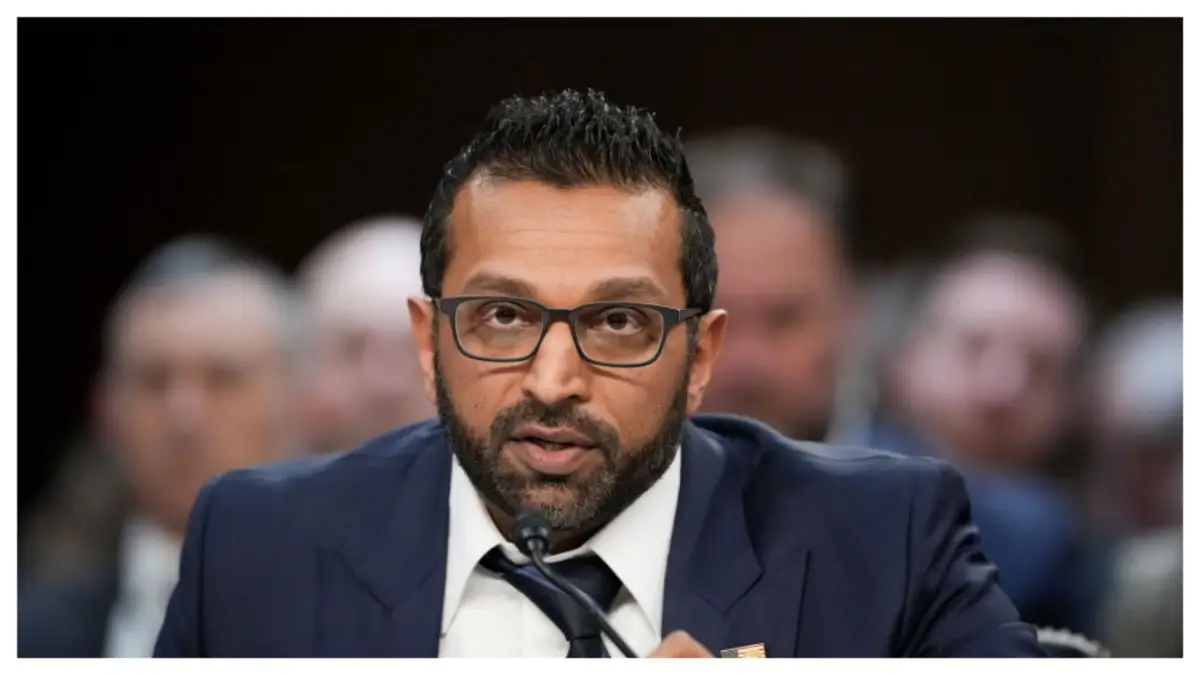
‘Complete Fool’: Kash Patel Sets Off Panic Alarms, Then Jumps the Gun Behind the Scenes, Picking a Fight That Instanlty Backfires. Now MAGA Scrambles to Save Him
Since becoming FBI director, Kash Patel has talked openly about going after perceived enemies, administered polygraphs and loyalty tests inside the Bureau, fired agents involved in investigations into President Donald Trump, and distanced himself from the Epstein files.
At the same time, he has leaned into a hard-edged image of control, even as scrutiny has followed his own behavior, including being spotted chugging beers with the U.S. Olympic hockey team and using government aircraft to fly his girlfriend on the taxpayers’ dime.
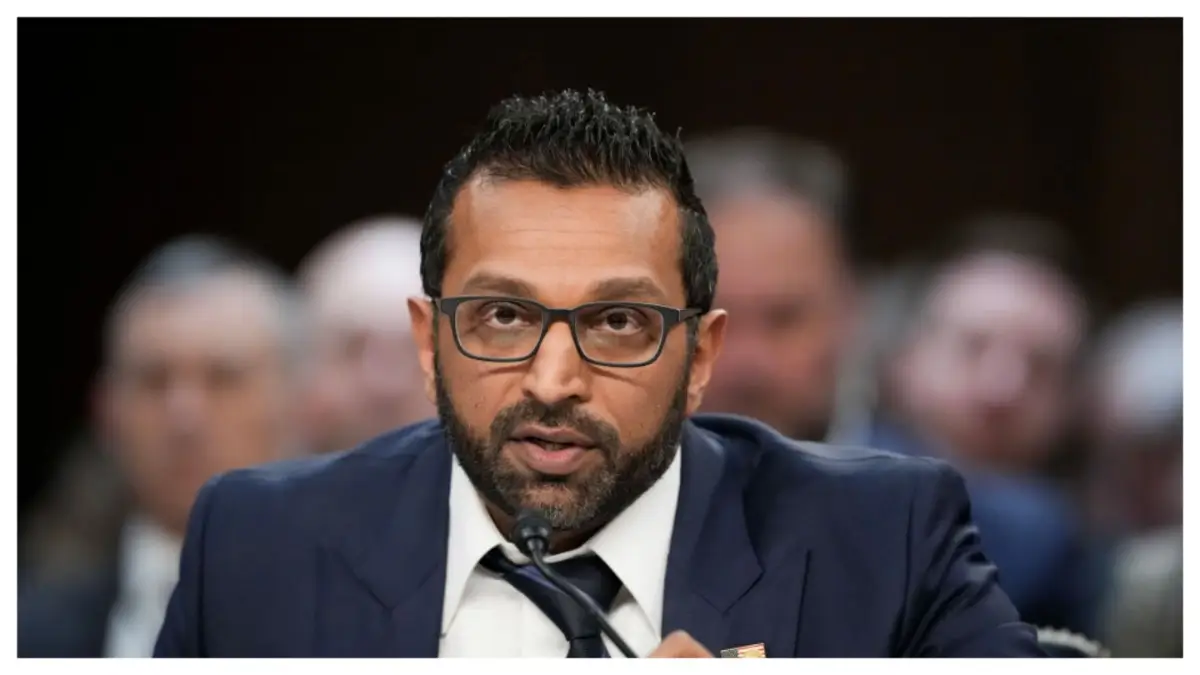
So when a report painted him as rattled and out of sync inside his own agency, he reacted with a familiar script: deny everything and threaten a lawsuit. What he didn’t expect was the reporter behind the story stepping forward just as forcefully, making clear she wasn’t backing down.
Now that the threat has turned into action. On Monday, Patel filed a $250 million lawsuit against The Atlantic, accusing the outlet and reporter Sarah Fitzpatrick of publishing “a sweeping, malicious, and defamatory hit piece” filled with “false and obviously fabricated allegations designed to destroy Director Patel’s reputation and drive him from office.”
The move escalates what began as a war of words into a high-stakes legal fight over the reporting and over Patel’s conduct at the center of it.
The report itself, published April 17 under the headline “The FBI Director is MIA,” centered on a moment that quickly spread through the bureau. On April 10, Patel struggled to log into an internal system and became convinced he had been fired. According to multiple people familiar with the episode, he began calling aides and allies in a panic. Two described it as a “freak-out.”
For an FBI director overseeing roughly 38,000 employees, many trained to verify facts under pressure, the reaction raised alarms. Word traveled quickly through the bureau. Some officials expressed concern. Others, according to the report, reacted with quiet relief.
The situation turned out to be a technical glitch. Patel hadn’t been fired. Access was restored. “It was all ultimately bullsh-t,” one FBI official said.
But the episode fed into deeper concerns outlined in the report, questions about Patel’s temperament, decision-making, and reliability. More than two dozen sources, including current and former officials, described a pattern: impulsive behavior, suspicion of colleagues, and a tendency to jump to conclusions without full information.
Some of the most serious claims centered on his alleged drinking. Officials said Patel is known to consume alcohol to the point of obvious intoxication, sometimes requiring meetings to be pushed back. In other instances, aides reportedly had difficulty reaching him. On one occasion, a request for “breaching equipment” was made after he was unreachable behind locked doors.
Those accounts have fueled fears inside the bureau about readiness during a crisis. “That’s what keeps me up at night,” one official said, referring to concerns about how the agency would respond to a major national security threat under Patel’s leadership.
The report also described broader management issues. Patel has been labeled an irregular presence at headquarters, with delays that have slowed investigations. In at least one case, agents were described as “losing their sh-t” over stalled decisions. He has also drawn scrutiny for announcing investigative developments prematurely, including a social media post about a suspect who was later released.
Against that backdrop, Patel’s threat to sue landed as both a denial and a counterattack. “Print it, all false, I’ll see you in court—bring your checkbook,” the FBI responded in a statement attributed to Patel. But the reporter behind the story responded just as directly.
“I am a very careful, very diligent, award-winning investigative reporter, with a history of award-winning work across multiple organizations,” Fitzpatrick told MS NOW host Jen Psaki in an interview over the weekend.
“I stand by every word of this reporting. We have excellent attorneys. It is a surprising statement, but a very telling statement, I believe. And I would also note that we reached out for comment to the White House and to the Justice Department, neither of which disputed anything; we gave them multiple opportunities, including 19 detailed questions. So, we stand by every word.”
BREAKINGNEWS: The Alantic Reporter that broke open the story regarding FBI Director Kash Patel @S_Fitzpatrick says her reporting is accurate and the Alantic has excellent attorneys.

pic.twitter.com/QnLdH3SGWD— Ford News (@FordJohnathan5) April 18, 2026
That response shifted the focus from Patel’s denial to the strength of the reporting itself. The mention of “19 detailed questions” and the lack of dispute from officials undercut the idea that the story caught the administration off guard.
The White House, for its part, defended Patel’s performance more broadly. A spokesperson pointed to falling crime rates and said he “remains a critical player on the Administration’s law and order team.” Acting Attorney General Todd Blanche dismissed the reporting as unreliable, saying, “Anonymously sourced hit pieces do not constitute journalism.”
Still, the details in the report have intensified scrutiny of Patel’s leadership, especially as the U.S. faces heightened tensions abroad. Officials expressed concern that recent staffing decisions — including the firing of members of a counterintelligence team focused in part on Iran — could leave gaps at a critical moment.
Inside the FBI, reactions have been mixed but increasingly uneasy. Some employees who initially supported Patel now describe disappointment. Others worry about turnover, morale, and a loss of institutional experience.
Outside the bureau, the response has been more polarized.
The report apparently got under the collective skin of the MAGA faithful, particularly on X.
“None of what you said is true. She will be sued for every dollar she owns. I doubt she will be sleeping well tonight,” one said, followed by a flood of similar comments.
“Libtards will always find a fake story to write about Trump’s cabinet and people. It’s ridiculous how much TDS is embedded in you libtards. He’s your president, work with him, not against him.”
Other commenters fired back.
“Do you know who else looks at articles before they are published? Here i’ll help. It’s called lawyers,” one person wrote. “They would review her sources, their credentials, credibility and view transcripts. The lawyers then tell the author and Alantic if to publish or not based on legal advice. The lawyers then wait for any frivolous lawsuit and pounce. This won’t even make it to court.”
“The maga cult in comments,” one added with the face palm emoji. “You can beat them with facts, they’ll still scream “fake news!” These maga morons are beyond redemption.”
“We all know this about him. He’s a complete fool and a fraud,” another person wrote on X. “Not worthy of the American people.”
Now that the fight is headed to court, Patel has a high bar to prove he was damaged by the report — including showing the claims are false and that they were published with “actual malice,” meaning the outlet either knew they were untrue or acted with reckless disregard for the truth.