
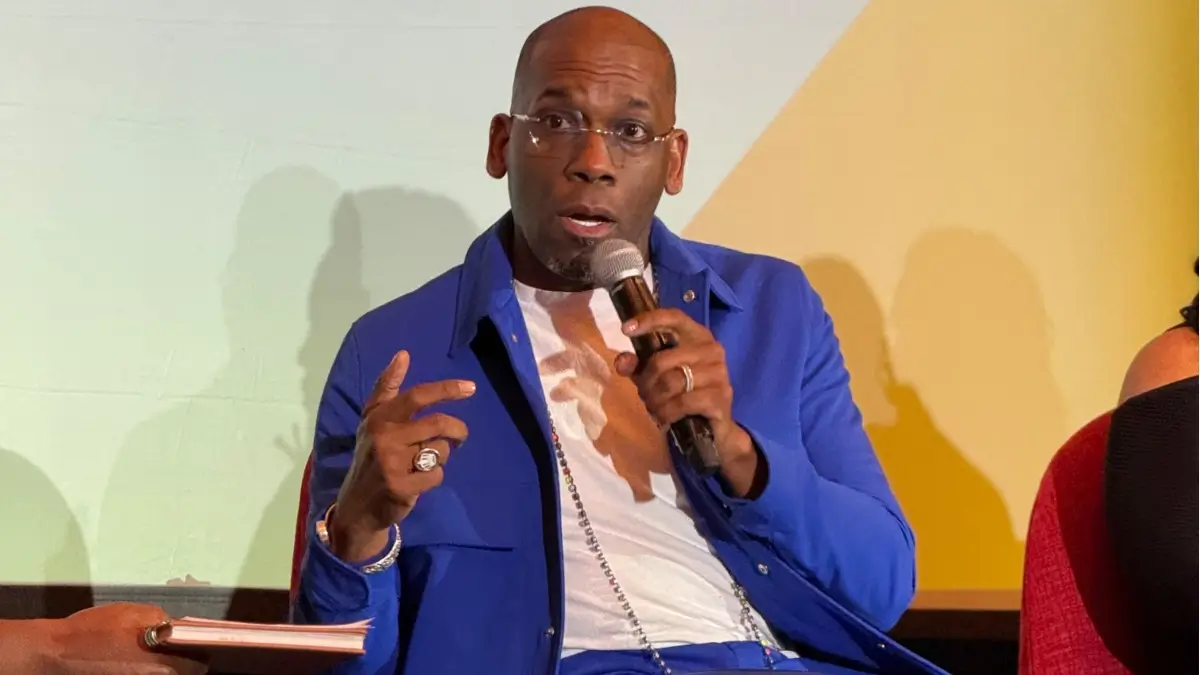
‘Can’t Take You to a Black Department Store’: Pastor Jamal Bryant Says He’s ‘Embarrassed’ By the Success of the Target Boycott; Says Company Leaders Refused to Meet with Him
Judging by the numbers, the Black-led boycott of Target over its elimination of diversity, equity and inclusion policies was a rousing success – “the most effective boycott for black people in 70 years since the Montgomery Bus Boycott,” according to the man who initiated it, Atlanta-based pastor Jamal Bryant.
Target’s stock dropped from $145 to $93 a share while its valuation declined by $12 billion since the boycott was announced in February. There’s been a nearly 8 percent dip in foot traffic. Online spending is down nearly 10 percent.
Those numbers indicate both the effectiveness of the boycott and the Black community’s brand loyalty to Target, or “Tar-jay” as it was affectionately known.
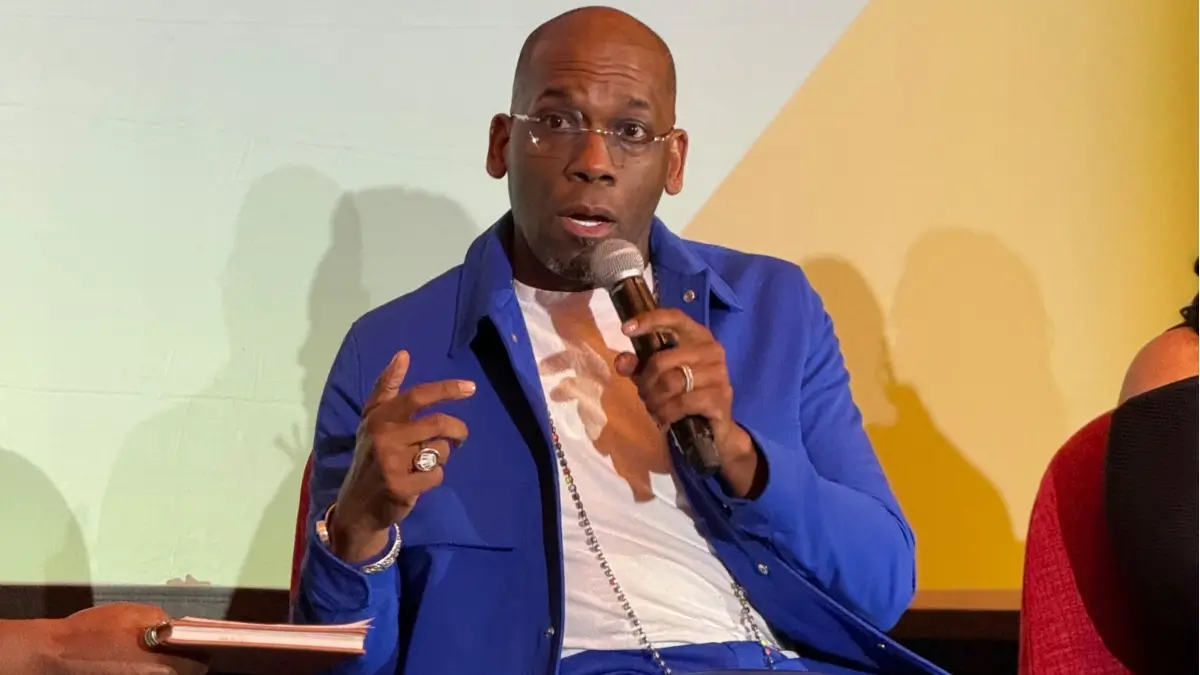
“We had so invited Target to the cookout that we gave them hood credentials,” said Bryant, speaking Monday at Atlanta’s Thompson Hotel during Black Star Week, sponsored by Atlanta Black Star.
But even as the boycott continues, Bryant bluntly confessed he is “embarrassed at our victory.”
For one, the charismatic senior pastor at New Birth Missionary Baptist in DeKalb County never got a meeting with Target’s leadership.
“(They) were told not to meet with me,” he said. “And so we’re doing it all as outside agitators with no inside game.”
Bryant was also frustrated that, “for the very first time in the history of the movement, in boycotting a white business, we redirected their community to another white business.”
“So we’re cheering for Costco,” he said. “So, in 70 years of the civil rights movement, we still don’t have one franchise that is Black. We should be so much further than that.”
Bryant noted that even in Atlanta, or “Black Mecca,” as it’s also known, “I can’t take you to a Black department store, but I’d take you to get wings. I’m taking you to get hair bundles. I’m taking you to get waist trainers.”
“We have confused settlements with victory,” he added.
The biggest frustration is that, despite the boycott’s impact, Target, which employs more than 400,000 people, has not reversed its decision in January to effectively eliminate its Diversity, Equity, and Inclusion initiatives. Following the police killing of George Floyd in 2020, the Minneapolis-based retailer announced a new strategy, “Belonging at the Bullseye,” which established programs to help Black employees move up in the company while enhancing the experience for Black shoppers at its nearly 2,000 stores nationwide.
But that program was scrapped when Target joined rival Walmart and many other prominent American brands in bowing to pressure from the president and conservative activists to end DEI.
Bryant said the movement has to “enlarge the conversation, not just about the Black churches or the civil rights organizations but calling in … accountability.”
Too much emphasis is placed on leadership, he continued. Instead, he said, “we got to put all of these factions in a room and say this is the game plan, not singularly, but collectively.”
“So we’ve got a shift from who got the mic to say who has the plan,” Bryant said. “The system understands the power of organizing.”
Social media strategies also need to be reworked, said the 54-year-old pastor, who contends the media overestimates the power of “influencers.”
“We ‘doing it for the ‘gram’ and doing it for the likes of trying to be viral,” he said. “We don’t know how to make money in that space because we want to co-host BET.”
The Targett boycott, meanwhile, rolls on. Other organizations across the nation have joined the movement, with some calling for a “permanent boycott” of the store.
CEO Brian Cornell recently acknowledged the “reaction to the updates we shared on belonging in January” as one of “several additional headwinds” faced by the company in the quarter, adding that the company would be “moving with urgency to navigate through this period of volatility.”