
‘Can’t Be Trusted’: In a State Scarred by Lynchings, Four Black Deaths and One Troubling Autopsy Finding Have Black Families Questioning Mississippi’s Medical Examiner
In a state with a long history of lynchings and racial injustice, advocates are raising concerns about Mississippi’s chief medical examiner and her rulings in several deaths involving Black residents in recent years.
Dr. Staci Turner, a board-certified forensic pathologist, became Mississippi’s interim chief medical examiner in January 2021 and officially assumed the role in November of that year.
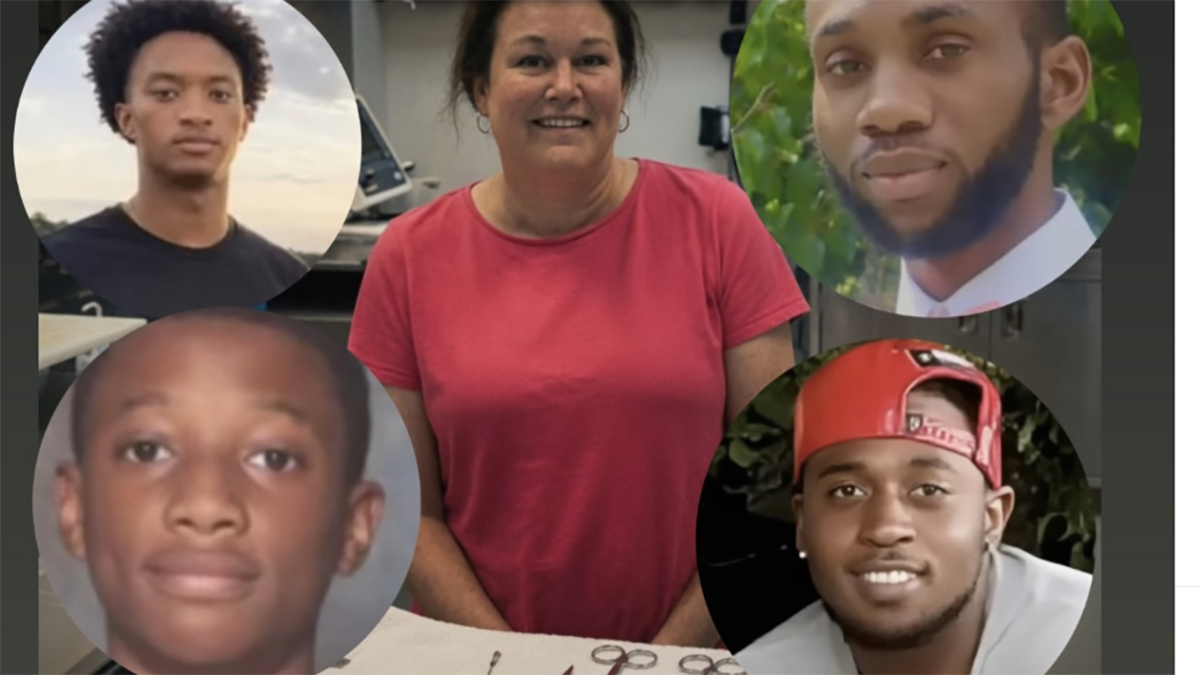
Over the past week, activists have accused Turner of obscuring the truth in the deaths of Nolan Xavier Wells, Damien Cameron, Demartravion “Trey” Reed and Channon Wilson.
Nolan Xavier Wells
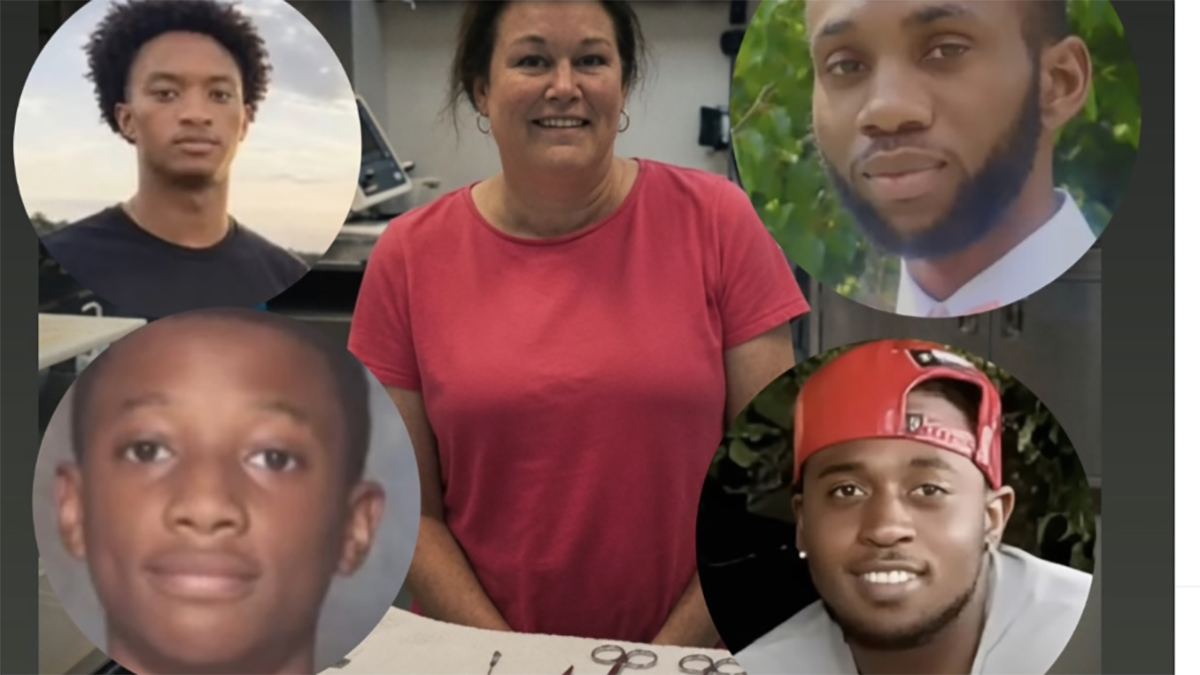
The most recent case involves Nolan Xavier Wells, an 18-year-old student at Southwest Mississippi Community College. On July 6, authorities found his body submerged in water near Horn Island, a remote barrier island off Mississippi’s Gulf Coast. Wells had traveled there by boat with friends over the Fourth of July weekend.
The Jackson County Sheriff’s Office and the county coroner said Wells died in an accidental drowning and reported no signs of foul play. However, Turner’s office conducted an autopsy on July 7, and those results remain pending.
Wells’ family has retained civil rights attorney Ben Crump, who commissioned an independent autopsy. Those findings have not yet been released.
Crump said he plans to release the results following Wells’ funeral, which took place Monday, July 20, and drew hundreds of mourners.
“We will miss everything about him, from his quiet nature to the corny jokes. His gentle smile, the way he made everyone around him feel comfortable, loved, and at ease,” his mother, Christine Wonsley, said at the funeral.
“Your absence has left an emptiness that can never truly be filled — a piece of our hearts will always be missing.”
“We will continue to fight for you,” she added through tears.
Damien Cameron
In July 2021, Turner investigated the death of Damien Montrell Cameron, a 29-year-old Black man who died after Rankin County sheriff’s deputies violently arrested him. The department has drawn national scrutiny in recent years over its “Goon Squad,” a group of deputies later convicted in multiple abuse cases.
Deputies responded to a neighbor’s complaint accusing Cameron of punching a wall, though his family disputes that claim and says no damage existed.
During the arrest, deputies repeatedly used tasers on Cameron. One deputy pressed his knee into Cameron’s back as Cameron said, “I can’t breathe,” according to reports.
Paramedics transported Cameron to a local hospital, where doctors pronounced him dead later that day.
Turner later ruled Cameron’s cause of death “undetermined,” even though her autopsy documented internal bleeding in his neck — an injury pattern consistent with compression of the upper back or neck area. The report also described severe facial swelling and trauma.
A grand jury declined to indict the deputies, relying in part on Turner’s findings.
In 2023, three independent forensic pathologists reviewed the case and concluded Cameron’s death was a homicide.
“There’s really nothing to be undetermined about,” Dr. Zhongxue Hua, chief of forensic pathology at Rutgers University, told The New York Times.
One of the deputies involved in Cameron’s arrest is now serving a 20-year federal sentence related to separate “Goon Squad” torture cases.
Demartravion “Trey” Reed
Demartravion “Trey” Reed, a 21-year-old student at Delta State University, was found hanging from a tree on campus in September 2025.
Bolivar County officials initially ruled his death a suicide. Turner’s office later affirmed that conclusion, classifying the death as suicide by hanging.
Reed’s family disputes that finding. They have retained attorneys Ben Crump and Vanessa Jones, who ordered an independent autopsy by forensic pathologist Dr. Matthias I. Okoye.
The results of that autopsy have not yet been made public.
Channon Wilson
Channon Wilson, a 13-year-old Black boy, died in May 2022 in what Harrison County officials ruled an accidental drowning. According to local reports, authorities made that determination without conducting an autopsy.
Wilson’s family disputes that conclusion and alleges that white youths threw him into the water. They have also accused officials of mishandling his body, including claims that it was embalmed without consent, which they argue could have compromised potential evidence.
Some activists have pointed to Wilson’s case as part of a broader pattern of questionable death rulings in Mississippi.
However, there is no publicly confirmed documentation linking Turner’s office directly to the handling of Wilson’s case.
History Fuels Skepticism
Of the four cases, only one — the death of Damien Cameron — has undergone an independent review that directly contradicted the state’s findings, with outside experts ruling it a homicide instead of “undetermined.”
The remaining cases are still unresolved, with key autopsy results pending or questions about the original investigations left unanswered.
Against the backdrop of Mississippi’s long history of racial violence and unequal justice, those gaps have fueled skepticism among families and advocates who question whether these deaths are being fully and fairly examined.
“While officials have not labeled these deaths as lynchings, the truth remains,” said Black Illinois Rep. Jonathan Jackson last year following the death of Reed.
“When a Black student is discovered hanging from a tree in Mississippi, our country must confront history and ask hard questions about justice, dignity, and belonging. Each loss, regardless of the motives or circumstances, calls us to collective action and reflection.”