
![BlackDoctor’s New Era: Building A Healthier Legacy For Black America [EXCLUSIVE]](https://ewccommunication.com/wp-content/uploads/2026/08/17866221032064-m9rlz1-1200x800.jpg)
BlackDoctor’s New Era: Building A Healthier Legacy For Black America [EXCLUSIVE]
For generations, conversations about Black health have too often started with a problem: higher rates of chronic disease, persistent health disparities, and a healthcare system that has not always made Black patients feel seen, heard, or understood. BlackDoctor is trying to change that story.
By blending culture, compelling content, community, and technology, the digital health platform is working to make health and wellness information more accessible, empowering, and relevant to Black Americans. And as the community continues to face some of the nation’s most stubborn health disparities, that mission may be more important than ever.
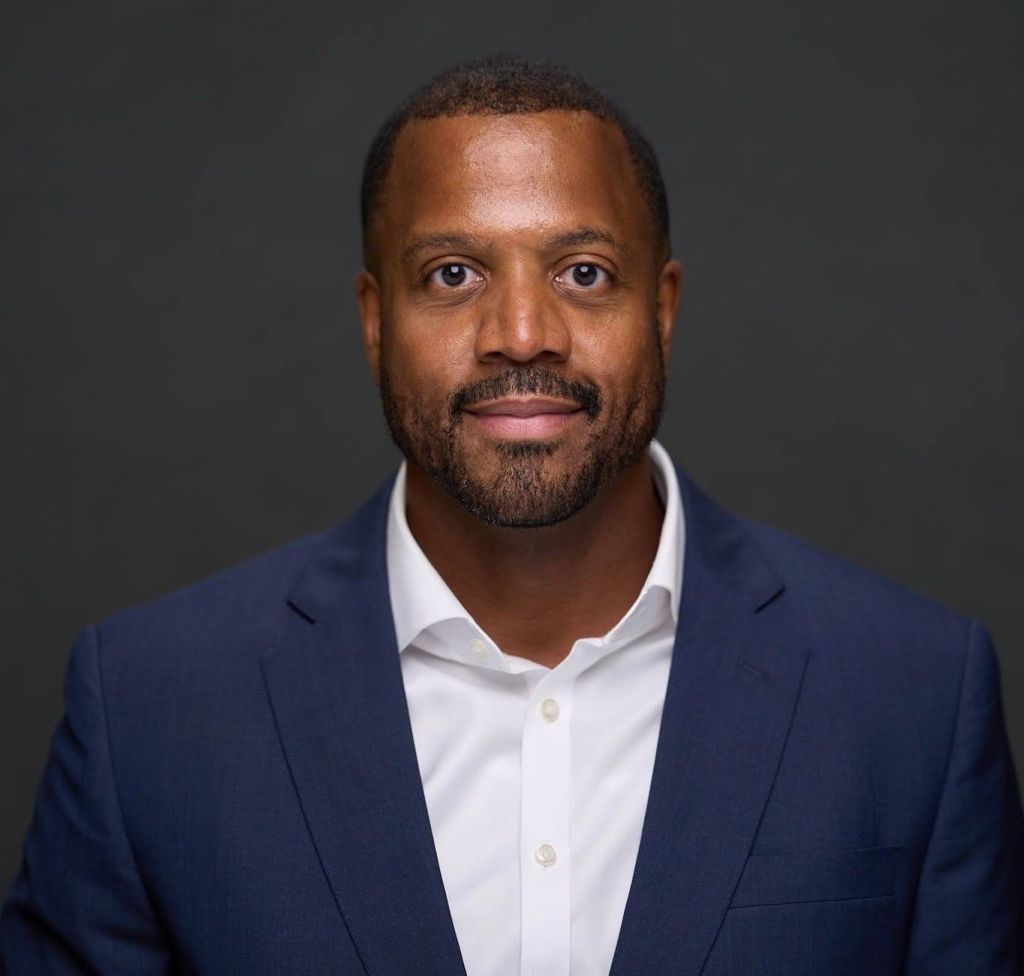
Now, the company is entering a new chapter under the leadership of Akinwole “Aki” Garrett.
Meet the Man Behind BlackDoctor’s Next Chapter.
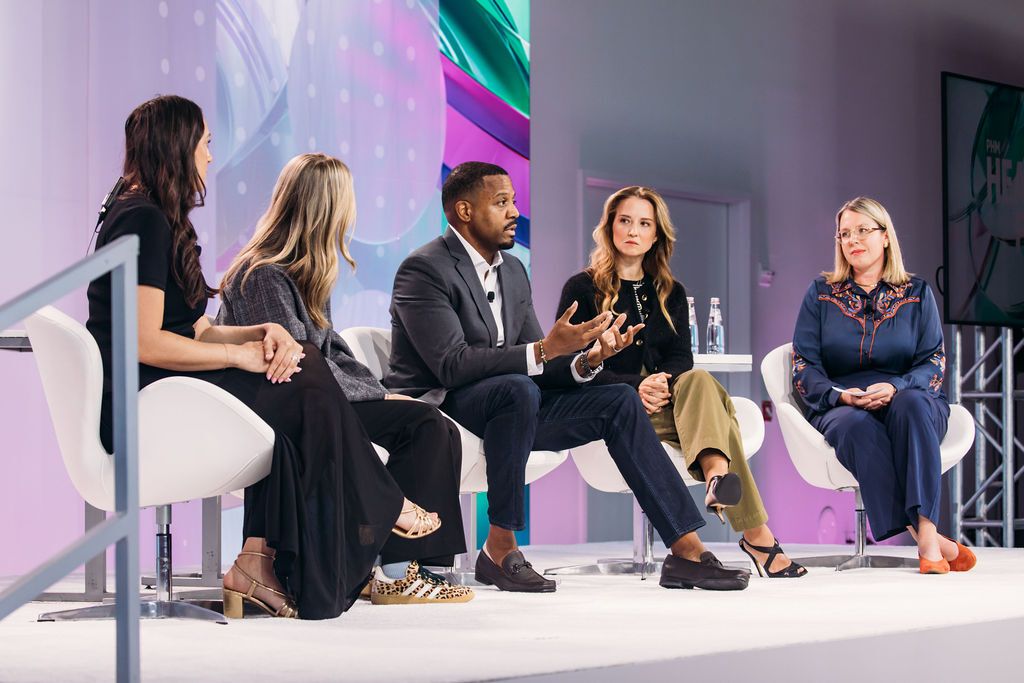
Garrett officially became Chief Executive Officer of BlackDoctor on April 1, 2026, after serving as the company’s President and Chief Operating Officer in 2025. But his appointment feels less like a beginning than the next step in a transformation he has already helped lead.
According to Forbes, during his time as President and COO, Garrett helped build an executive team with more than 120 years of combined health media experience. He also led a major restructuring designed to improve the company’s efficiency, expanded product offerings, and spearheaded the creation of BlackDoctor’s Medical Advisory Board, bringing together eight physicians across specialties including psychiatry, oncology, nephrology, and clinical trials.
The message is clear: BlackDoctor is no longer simply a place to read about health. It is positioning itself as a health ecosystem.
During an exclusive interview with NewsOne, Garrett revealed that the company has transformed into a dual platform designed to help educate Black people on health and wellness while also connecting them with tools, resources, and healthcare professionals.
One of the most visible signs of that evolution is the company’s move from BlackDoctor.org to BlackDoctor.com. The name change may seem small. The ambition behind it is anything but. BlackDoctor is expanding beyond traditional health publishing and moving deeper into digital health, technology, education, events, and tools designed to help people take a more active role in their health.
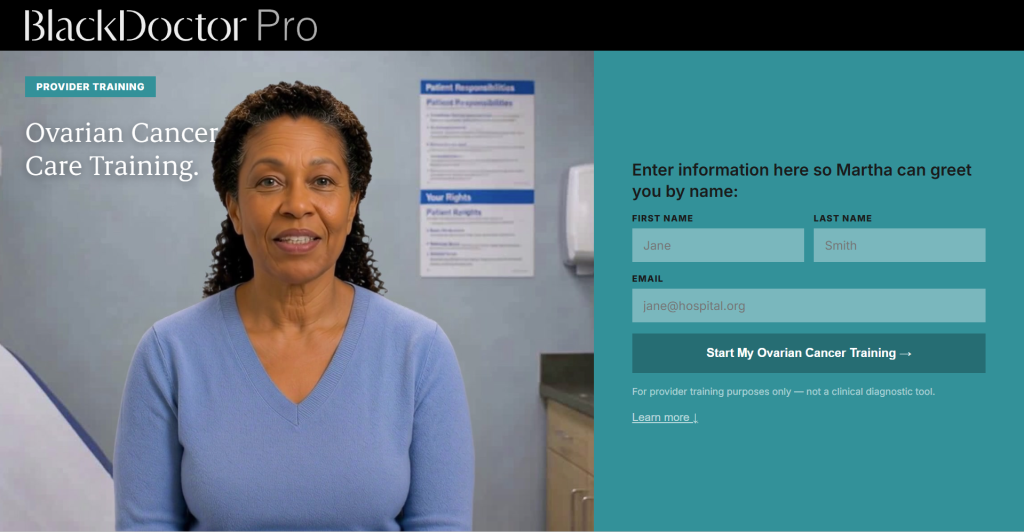
In March, the company also launched BlackDoctor.Pro, a platform for healthcare professionals designed to support more effective communication, engagement, and care delivery for Black patients.
But Garrett’s bigger challenge may be even more important:
How do you get people to care about their health before a health crisis forces them to?
Technology Meets Culture.
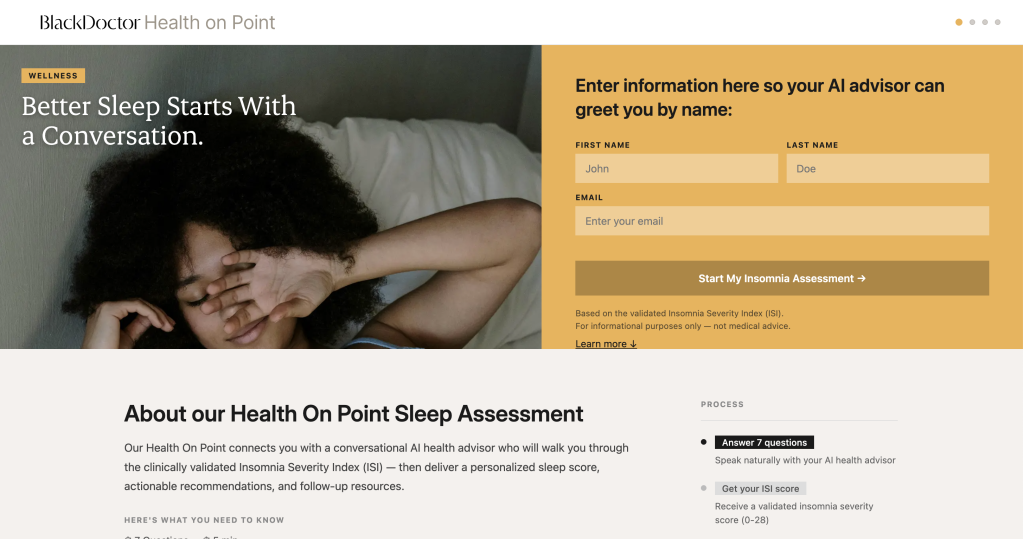
A major part of Garrett’s answer is technology. BlackDoctor has introduced AI-powered tools such as Health On Point, a consumer-facing tool designed to help people better understand their health and prepare for conversations with their healthcare providers.
The technology is built on years of health information. BlackDoctor’s 20 years of content, combined with knowledge from its Medical Advisory Board and physician advisors, have been organized into modules that power the conversations.
The idea is surprisingly simple: give patients a chance to practice before they walk into the doctor’s office.
These modules allow patients to engage with the platform as a data tool, essentially rehearsing and practicing how they might talk with their physician and what questions they may want to ask ahead of time.
Garrett explained the larger vision behind the technology:
“We really thought about how can BlackDoctor evolve and become the operating system for health equity, and become the go-to platform that is developing tools to foster and increase cultural fluency, cultural competency, and overall health awareness around different racial and ethnic lines.”
There’s also the WellBot, BlackDoctor’s AI-powered clinical training and simulation app to support healthcare professionals. The technology reflects a larger philosophy: technology should not replace the human side of healthcare. It should make healthcare easier to understand, easier to navigate, and more useful. And with WellBot, that means helping physicians understand something that cannot always be found in a textbook: culture.
Garrett explained:
“The WellBot is a cultural fluency tool for physicians. It’s a training tool that helps to train physicians and healthcare professionals around cultural fluency across a number of different dimensions, and so we set up actual cases where a human physician will interact with an AI patient that comes in. A case could be a 35-year-old Black male with diabetes and hypertension, and the whole case is to simulate [an] actual interaction where a physician has to interact with a patient of color, a Black patient in this case, and we build these AI modules [with] all of the cultural nuances that a physician should know how to navigate. By interacting with this tool over and over again, [they] will naturally get better, and will start to understand some of the cultural nuances that you need to be aware of when you’re engaging with Black patients.”
The goal isn’t simply better technology.
It is better communication between patients and the people treating them.
And perhaps most importantly, BlackDoctor wants that relationship to extend beyond technology and into the way people find their healthcare providers.
“We have a database of Black doctors, and we pull from various data sources,” explained Garrett. “And we don’t just have Black doctors on our website. We also have what we call culturally sensitive physicians, which are non-Black doctors, because we recognize that there are way too many Black people to be cared for by the number of Black doctors currently,” explained Garrett. “Less than 3% of physicians are Black. But we would hope that that person has developed or is leveraging our platform to develop cultural competency and cultural fluency, so they can treat our patients more effectively.”
That distinction matters.
Black patients deserve access to Black physicians. But until the healthcare workforce better reflects the communities it serves, cultural competency and cultural fluency among all physicians will remain essential.
The Clinical Trial Question.
One of the most intriguing features on BlackDoctor’s platform is its clinical trials section, which helps people find clinical trials in their area.
That matters because clinical trials can play a critical role in developing new treatments, particularly for conditions that disproportionately affect Black communities, including hypertension and sickle cell disease. Yet Black Americans remain underrepresented in many clinical trials.
The reasons are complicated, but awareness and medical mistrust are part of the conversation. That raises an important question for Garrett and BlackDoctor:
How do you convince a community that has legitimate reasons to be skeptical of the medical system that participating in a clinical trial can be safe, valuable, and potentially life-changing?
For Garrett, the answer starts with education.
“We do a lot of patient education, a lot of awareness around clinical trials,” shared Garrett.
But he sees the issue as much bigger than simply getting people to sign up.
“If we’re not a part of the science, then the science won’t be built to help us. Right? We have to be involved in the science,” he explained. “We have to be involved in the clinical trials. That way we can know as a community that these treatments also work for us. So, we try to use our platform as a way not only to bring awareness to clinical trials, but also ways to educate and get our community comfortable in clinical trials. This mistrust and distrust is so rampant, and so every passing day, we try to take one small step forward to kind of close that gap. We get one person signed up for a clinical trial. That’s one positive step in the right direction. So we compound that progress.”
It is a powerful way to think about the problem.
BlackDoctor has an opportunity to do more than simply list clinical trials. It can help explain them, what they are, who oversees them, what protections participants have, what questions patients should ask, and what people should know before signing up.
Thinking Beyond One Patient.
At the center of Garrett’s vision is an idea that may ultimately define this next chapter of BlackDoctor: generational health. We talk constantly about building generational wealth. Garrett is asking us to think about something else we pass down: Our health.
What happens when parents have the information to recognize warning signs earlier? What happens when families learn healthier habits together? What happens when people become proactive about prevention instead of waiting until something goes wrong?
Those decisions don’t stop with one person. They can ripple through an entire family.
A healthier parent can raise a healthier child. A family that talks openly about mental health can change what the next generation considers normal. Someone who learns how to manage hypertension can potentially change the health trajectory of their family.
That is the idea behind building a healthy legacy.
Taking the Conversation Beyond the Doctor’s Office.
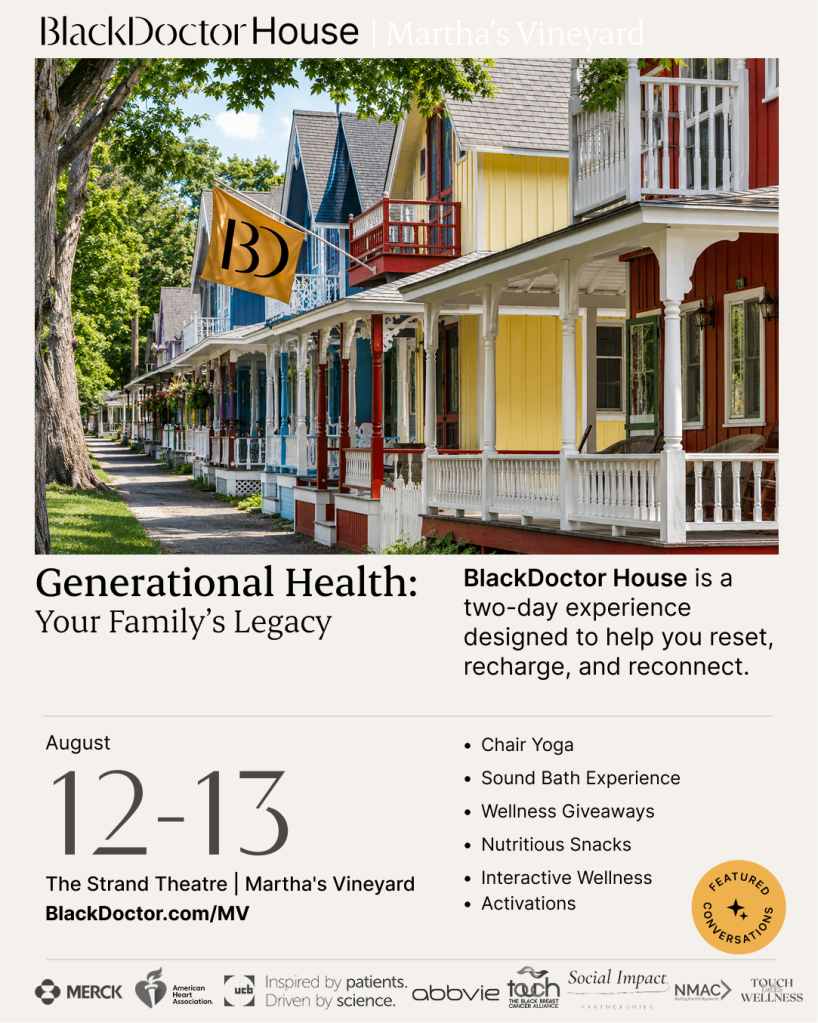
This is why BlackDoctor is taking the conversation into the real world. From Aug. 12 to Aug. 13, the company hosted the BlackDoctor House at Martha’s Vineyard, a two-day pop-up experience in Oak Bluffs, Massachusetts. Centered on the theme “Generational Health: Your Family’s Legacy,” the experience brought health and wellness conversations into a setting where Black culture, community, and connection could truly thrive. Programming touched on issues including maternal health, HIV prevention, mental wellness, longevity, and other health concerns affecting Black communities.
And that may be one of BlackDoctor’s greatest strengths. Health conversations don’t always have to happen in a doctor’s office. Sometimes they happen at the kitchen table. Sometimes at a community event. Sometimes between friends. And sometimes on Martha’s Vineyard.
The company is also expanding its cultural footprint beyond health conversations. On Oct. 14, BlackDoctor will host its inaugural BlackDoctor Film Festival, a health equity film festival taking place in Washington, D.C., at the Truxton Reformal Building on U Street.
The goal is to continue finding new ways to bring health conversations into spaces where people already gather, connect, and tell stories.
This Mission Is Personal for Garrett.
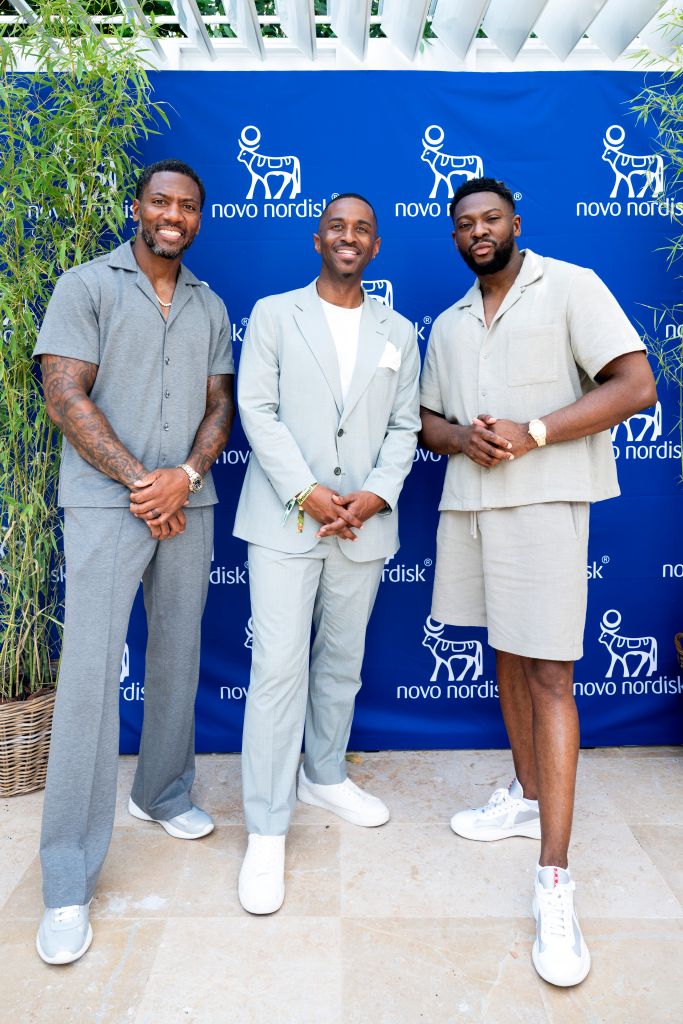
For Garrett, this isn’t simply a business strategy. It is personal. He has an unwavering passion and mission to help the Black community, one he considers a divine “calling” given the health disparities that have impacted his family and his own life.
Garrett grew up with chronic asthma. Watching his mother navigate the healthcare system, advocate for him, and help him manage and eventually overcome asthma left an “indelible mark” on him.
As he got older, the gravity of health became even more real. During his junior year of high school, his sister-in-law was diagnosed with double breast cancer.
“She had a double mastectomy. She was relatively young, 32,” he revealed. “Just watching that journey was very eye-opening for me. Watching somebody battle a chronic illness that frankly put their mortality at stake, that left a big impression on me,” he told NewsOne.
But the experience that ultimately pushed Garrett to focus more deeply on his own health was the death of his brother, who passed away from hypertrophic cardiomyopathy at the age of 46 about 10 years ago.
Garrett revealed that his brother died after developing an enlarged heart caused by untreated high blood pressure.
“He was at the gym, working out, trying to work on his fitness and stay in shape. And unbeknownst to him, he actually had an enlarged heart because of untreated high blood pressure,” the health advocate shared. “So, his passing was kind of that eureka moment. I do think disease is preventable, so how can I play a part in making sure that our community has access to the information, knowledge and the opportunity to live a healthy [and] full way?”
That question appears to sit at the heart of everything Garrett is now trying to build.
Living the Mission.
Part of Garrett’s mission is showing his community what health can look like in his own life.
He keeps his health in check through a combination of strategies, but first and foremost, he stressed the importance of fostering healthy relationships with his family, children, and friends.
“I think that is so important. We think about that longevity. You think about community, and I think love has healing. Community and love and feeling belonging has a huge impact on our health,” he shared.
Physically, he stays in the gym, tries to remain active, aims for 10,000 steps a day, and maintains a well-balanced diet. His spirituality has also become a major part of his health and wellness routine.
“I try to stay spiritually grounded. I’m a man of faith. I pray a lot. I meditate every day, whether it’s morning or night, or sometimes both. I try to at least meditate 15 to 20 minutes a day, just to center myself.”
Garrett said his holistic approach is “still evolving,” but he is happy to be living a rich and fulfilling life.
And perhaps that is the most powerful part of his story.
The man leading a company focused on helping Black Americans build healthier futures is also trying to live that philosophy himself. Because generational health isn’t just about what we tell people to do. It is about what we model, too.
SEE MORE:
New Study To Evaluate Why Black Women Face Higher Mortality Rates From Cancer
How Chronic Stress Impacts Black People’s Health