
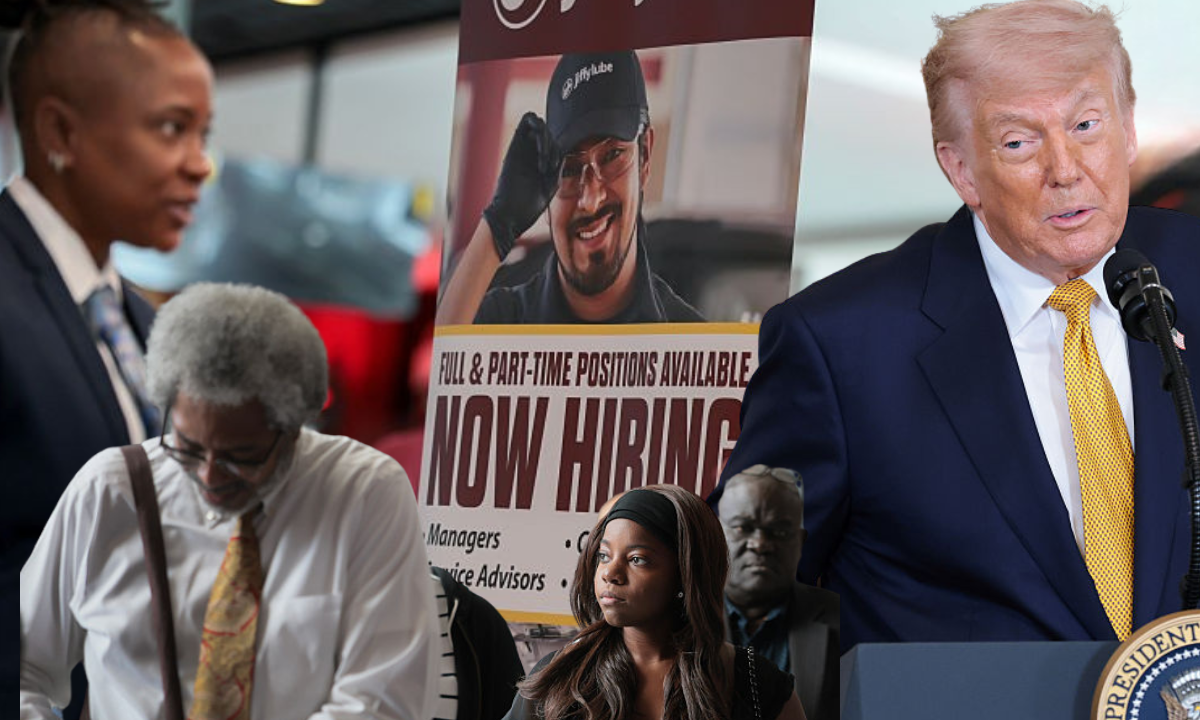
Black unemployment rate jumped in April amid continued federal job losses under Trump
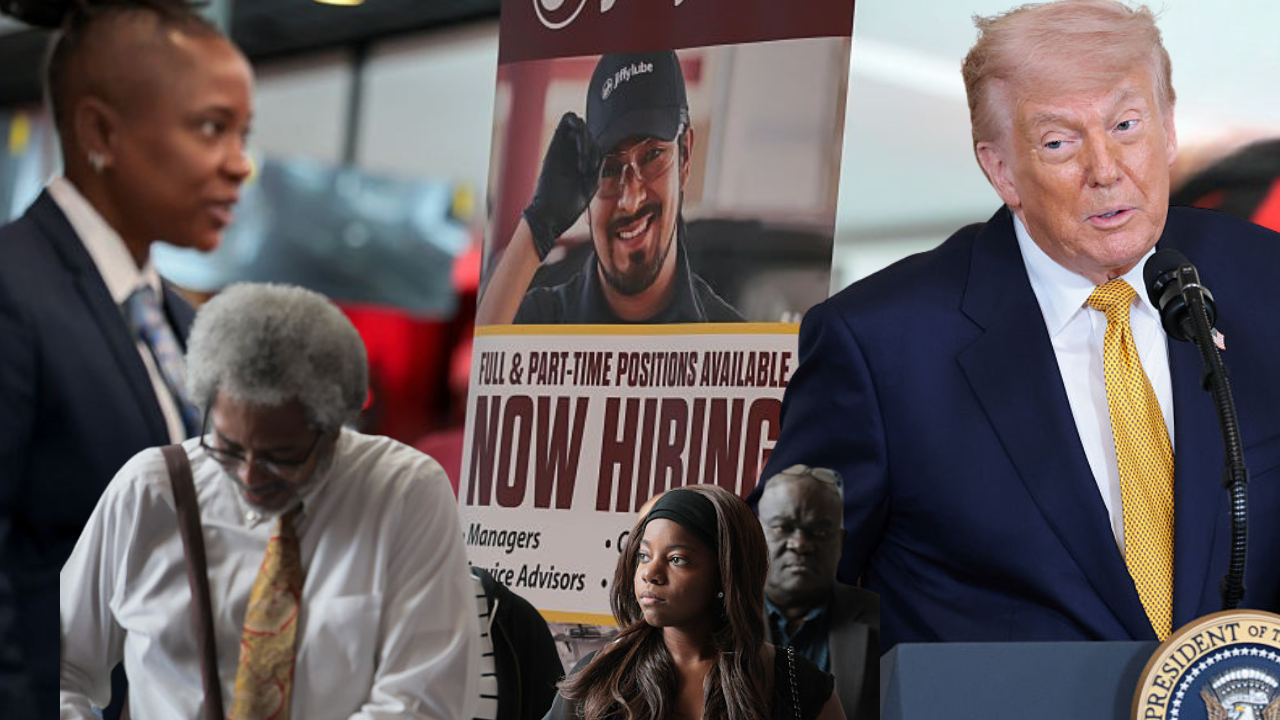
Since President Donald Trump returned to the White House last year, the Black unemployment rate has steadily increased.
The Black unemployment rate has risen yet again during Trump’s second term in office, climbing to 7.3% in April, according to the latest jobs report released by the U.S. Bureau of Labor Statistics.
While the nationwide unemployment rate remained unchanged at 4.3%, the stubbornly high rate for Black Americans reflects a decades-long reality steeped in racial disparities.
Since President Donald Trump returned to the White House last year, the Black unemployment rate has steadily increased. When he took office in January 2025, the jobless rate for Black Americans was 6.2%. By November, it had jumped to 8.2%. At 7.3%, the Black unemployment rate for April is as high as it was during the global coronavirus pandemic in 2021.
Gbenga Ajilore, chief economist at the Center on Budget and Policy Priorities, tells theGrio that the joblessness among Black Americans is a direct result of Trump’s move to shrink the federal government.
“Since January 2025, federal government employment decreased by 342,000 [jobs]. It’s just massive,” says Ajilore. “That’s the biggest thing that’s really been keeping Black unemployment elevated relative to other groups.”
Historically, the federal government has been a driver for Black Americans’ ability to enter and remain in the Middle Class. They made up nearly 20% of the federal workforce, an outsized representation relative to their overall population.
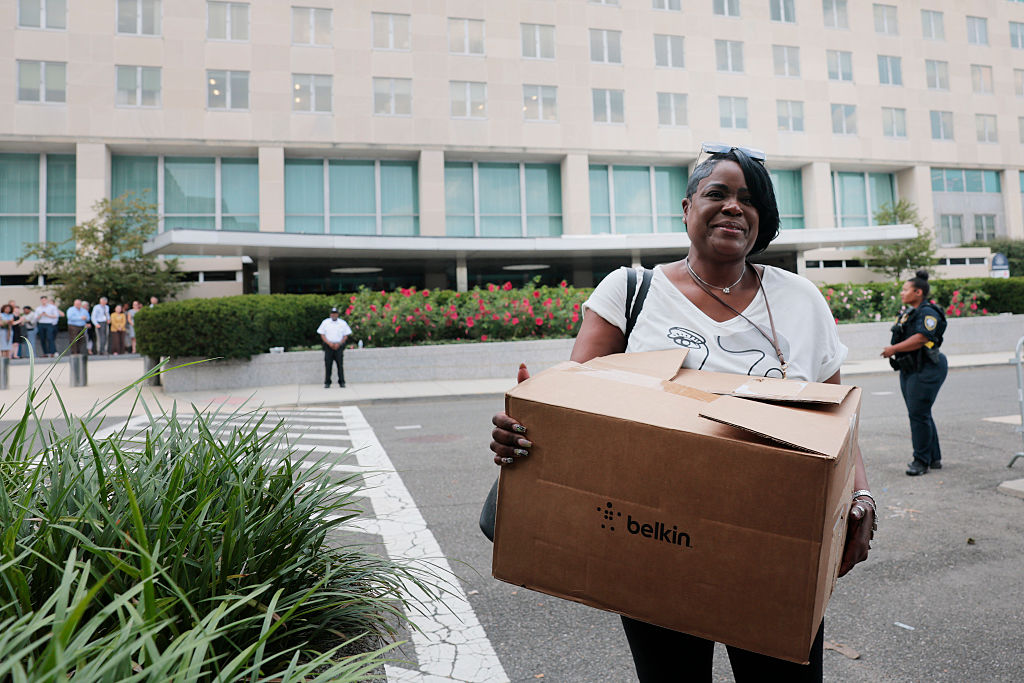
Ajilore explains that over the past year and a half, federal job cuts have been steady month to month. Other factors include the impacts of Trump’s tariffs on global importers, which have significantly affected the manufacturing sector, which, the economist notes, typically hires many Black men.
“Think about transportation, warehousing, industries, manufacturing, things like that,” he tells theGrio. “But the primary thing is just the targeting of the federal employment. That’s kind of been driving it.”
There’s also the age-old saying among economists that Black workers are typically the “last hired, first fired,” which Ajilore says is a “framework that we always see.”
One step that could be taken to drive down the unemployment rate for Black Americans is to enforce anti-discrimination laws; however, the Trump administration’s Equal Employment Opportunity Commission (EEOC) has been transformed to essentially focus its resources on addressing white male discrimination in the workplace, even though the white male unemployment rate was lower than the nationwide rate at 3.5% in April. By comparison, the unemployment rate for Black men is 6.9% and for Black women, 6.5%.
Ajilore said in the “absence of intentional policy,” a tight labor market is a way to “lower the unemployment rate for Black people faster than lowering it for white people.” He noted that there have been two distinct periods in which the racial unemployment gap contracted due to a tight labor market: the COVID-19 pandemic in 2020 and the Great Recession between 2007 and 2009.
Overall, Ajilore said the U.S. job market appears stable, but noted that while there has been a lot of firing, there has not been much hiring. He explains that while it is stable, it’s also “kind of frozen.” That spells trouble for young Americans who are graduating from high school and college.
Then there’s inflation, which continues to persist and is disproportionately hurting Black households.
“Prices have been rising. Gas prices have been kind of the headline, but a lot of other prices have been going up,” said Ajilore. “If you have a job, you’re going to be okay, even though prices are going up. At the same time, if you don’t have a job, this is really a bad labor market for you to be in.”