
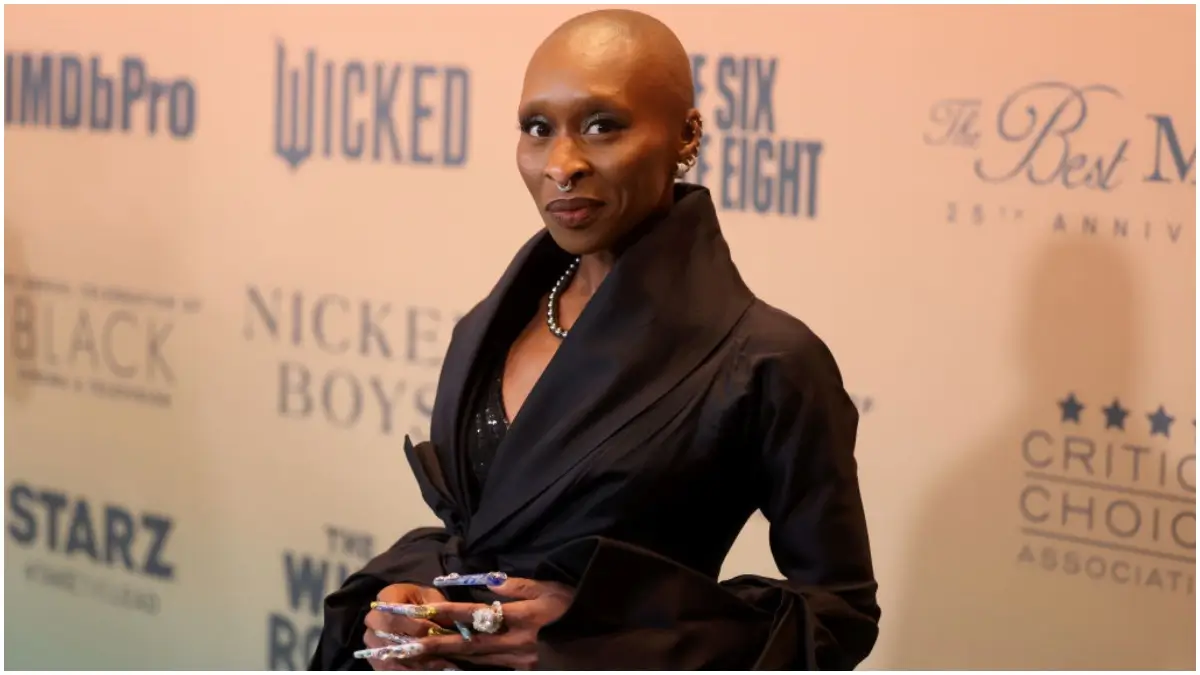
‘Being Made Fun Of’: Cynthia Erivo Points to Shocking Double Standard During ‘Wicked’ Promotions That Would Never Happen to Her Co-Star
Cynthia Erivo says the world saw “Wicked” as glitter, gowns, and viral press tour moments.
What she lived behind the scenes was something entirely different.
The Tony winner made history as the first Black woman to play Elphaba in the major “Wicked” film adaptation, turning her casting into a defining cultural milestone.
But that history didn’t come without controversy.
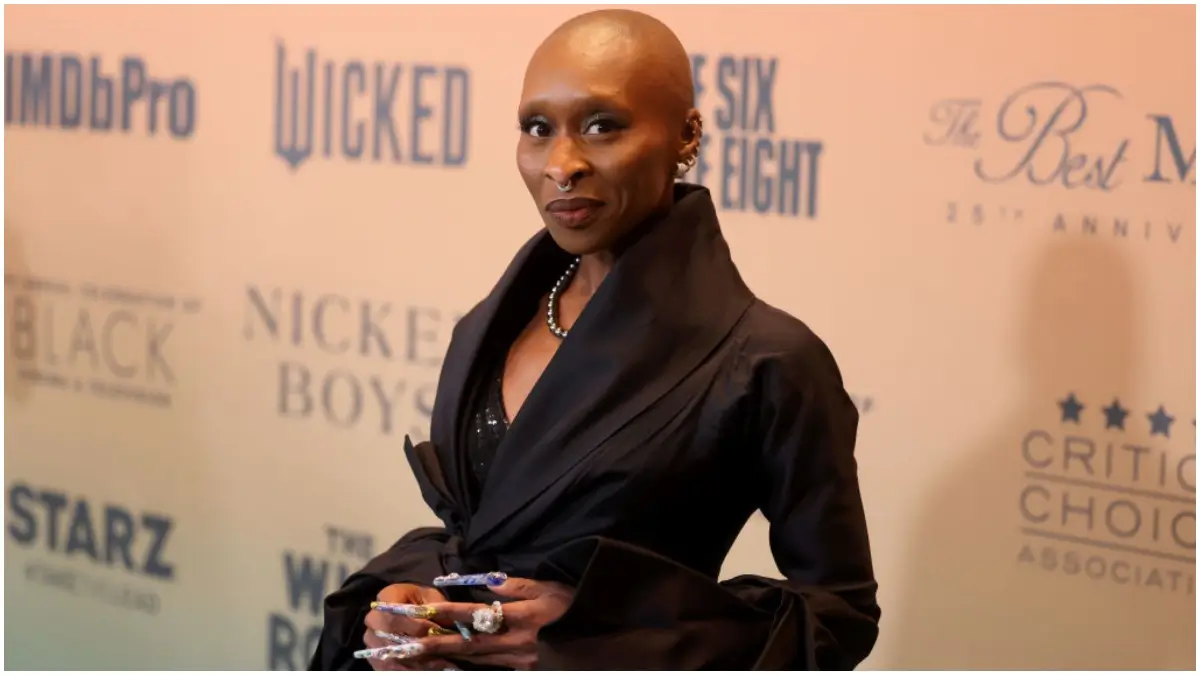
Months after the release of the film’s sequel, “Wicked: For Good,” the Oscar-nominated actress is finally speaking her truth.
Erivo exposed the emotional toll of being one of the most visible Black women in Hollywood. Celebrated in one breath, mocked in the next.
In a revealing interview with Variety, Erivo reflected on what she endured throughout the film’s rollout next to Ariana Grande.
“I think that we haven’t really come to terms with the insidious nature of how we view Black women,” Erivo said. “Because that’s what was being made fun of. It was my physique; it was my shape; it was the fact that I was bald.”
The British actress said much of the criticism exposed a racial double standard that likely would not have surfaced if the roles were reversed.
Her comments arrived months after Erivo quickly rushed to shield her co-star during a frightening incident.
At the Singapore premiere of “Wicked” sequel in November 2025, a man later identified as Jonathan Wen jumped over a barricade. He grabbed Grande as the cast walked the yellow brick road carpet at Universal Studios Singapore.
Videos showed Erivo rushing toward Wen and trying to pull him away while security scrambled to respond.
Cynthia Erivo protects Ariana Grande from someone running onto the carpet at the ‘Wicked: For Good’ premiere in Singapore. pic.twitter.com/XxzlSVMJjf
— Pop Crave (@PopCrave) November 13, 2025
Grande, who still lives with trauma from the 2017 Manchester Arena bombing, appeared visibly shaken afterward.
“Nobody moved. Nobody moved,” Erivo recalled. “So I moved because my brain went, ‘Get him away! Get him out of here!’”
But instead of universal praise, social media quickly flooded with jokes portraying Erivo as Grande’s “bodyguard.” Memes focused on her bald head, athletic frame, and darker appearance compared to Grande’s softer pink “Glinda” image.
“I would hazard a guess that it would not have been the same had it been the other way around,” Erivo added.
One Variety reader agreed, writing, “Yes, people love masculinising black women !!!!”
Others were harsher.
“Can’t stand her and she didn’t seem to mind when she was crying and holding Ariana’s hand,” one critic wrote. Another person tweeted, “Her 15 minutes are up. Even Ariana has moved on from her lmao.”
Someone else defended her, writing, “Not the case at all, there was definitely racism and misogyny rooted in a lot of the hate directed towards her. Her complaints are completely valid.”
The backlash surrounding Erivo did not begin in Singapore. From the moment she was cast as Elphaba, criticism followed her everywhere.
Conservatives labeled her a “woke hire,” while some fans questioned why a Black woman was playing the green-skinned outsider character.
“There have definitely been conversations about me getting this role as a ‘woke hire,’” Erivo previously told Elle UK. “I had to audition, just like everybody else.”
The “Harriet” star also faced backlash after years-old tweets resurfaced where she appeared disrespectful toward Black Americans while celebrating her Nigerian and British identity.
Critics accused Erivo of disrespecting the culture after despite her portrayal of icons like Harriet Tubman and Celie from “The Color Purple.”
“Well there’s this. Cynthia Erivo wants to play famous black Americans while disrespecting black Americans,” one X user wrote during the controversy.
Erivo later denied mocking Black Americans, insisting her tweets were taken out of context.
Ironically, while some Black Americans criticized Erivo, she also faced racial bias in the United Kingdom during the “Wicked” rollout.
British tabloids often centered Grande in coverage of the film’s London premieres while downplaying Erivo, despite her role as the movie’s emotional lead and a British star.
The frustration boiled over when Erivo blasted a fan-edited “Wicked” poster that obscured her eyes while highlighting Grande’s face.
“To edit my face & hide my eyes is to erase me,” she wrote at the time. “That is just deeply hurtful.”
Despite the controversies, Erivo says her friendship with Grande was genuine, even as the internet tried to convince audiences otherwise.
“I think that people didn’t really believe that we were actually friends,” she told Variety. “If I’m a friend, then I’m a friend.”
Now, after surviving the whirlwind of “Wicked,” Erivo appears determined to reclaim her narrative.
But her comments revived debate about how audiences expect Black women to endure ridicule, protect others, and stay graceful.