
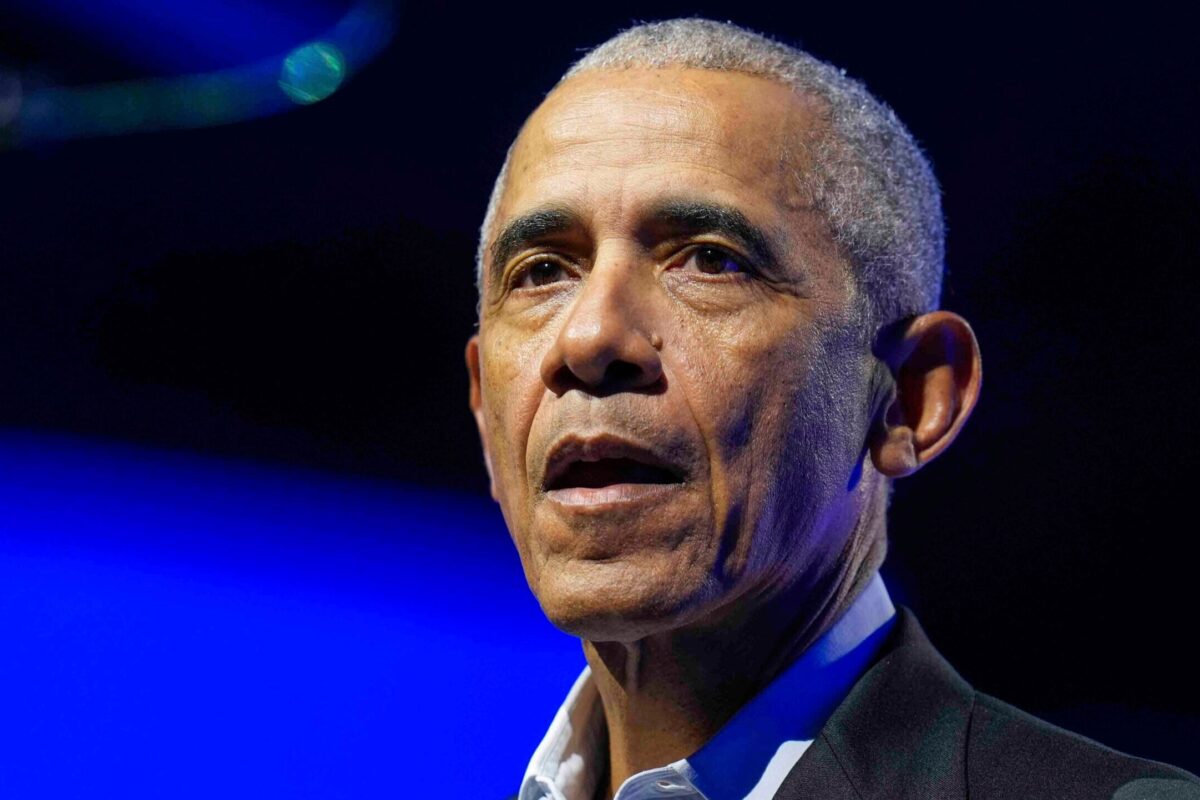
Barack Obama reflects on the lasting impact of his historic presidency
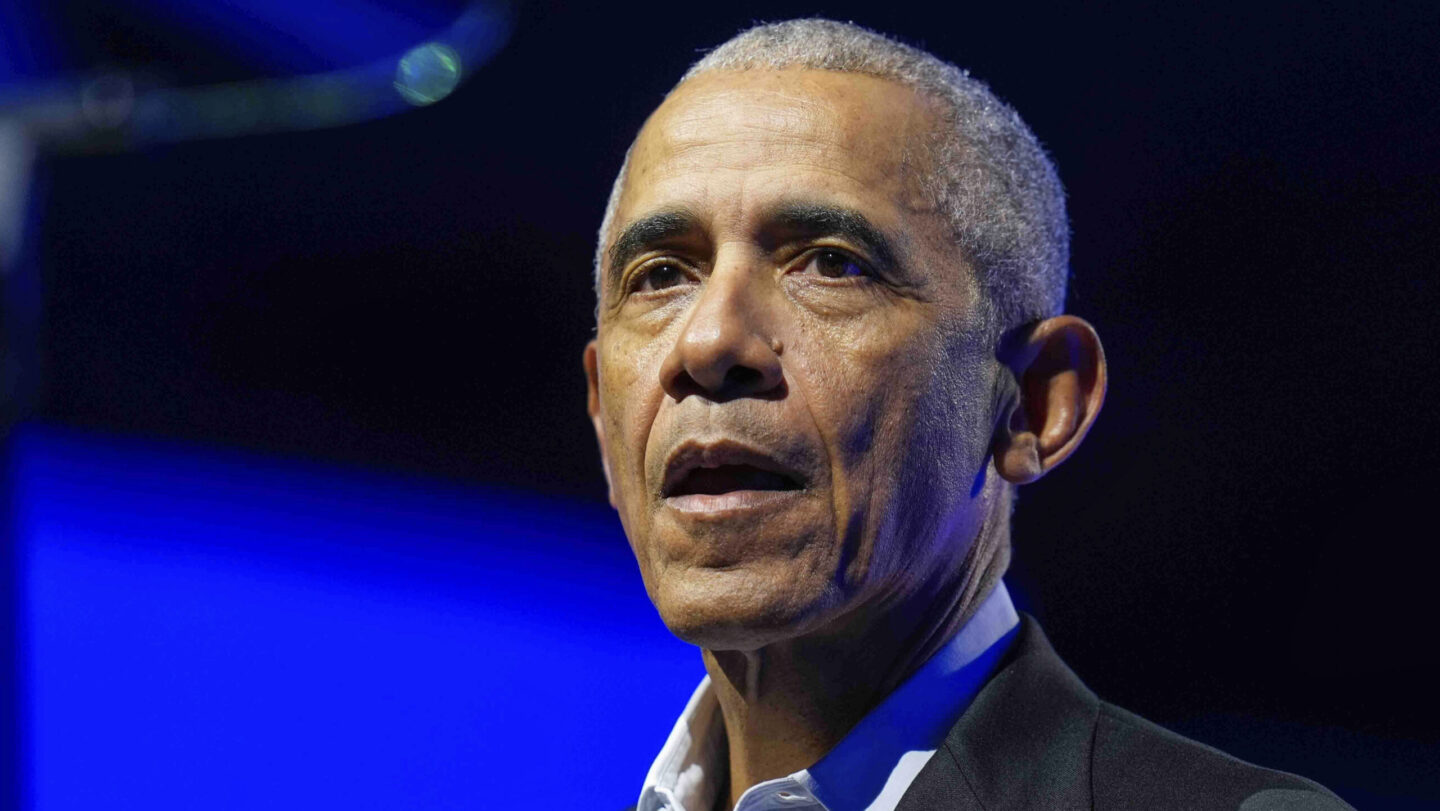
Obama said his greatest hope was that children would grow up believing the presidency was within reach, regardless of race.
Barack Obama is speaking candidly about the weight and meaning of his place in history, saying he hopes people understand his presidency not as an endpoint but as one chapter in a longer American story.
The reflection by Obama was shared in an exclusive interview with People magazine published this week, coinciding with the opening of his presidential center on Chicago’s South Side. TheGrio covered the emotional dedication ceremony on June 18, where Obama delivered a call to action as thousands gathered in Jackson Park. TheGrio also reported on Obama and Michelle surprising students at the center’s new public library branch on Juneteenth, reading “Where the Wild Things Are” to a group of South Side kindergartners. According to People, Obama was candid about how he wants his legacy framed and what he hopes visitors take away from the $850 million campus.
During the interview, Tupac’s posthumous song “Changes” was mentioned, because there’s a line in the song where Tupac says, “Althought it seems heavensent, we ain’t ready, to see a Black president. When asked about that line and his thoughts on the line and hot it resonated with him, Obama shared:
“Obviously there’s a symbolism to the day I got elected. I had always said to Michelle and friends that I hoped if I did get elected, that that would change how kids thought about themselves. I hoped suddenly girls started feeling like, ‘Okay, whatever limits people seem to have set, whatever the precedents are, I think I can do something.’ I wanted Asian American kids or Hispanic American kids to feel that same way, that we didn’t have barriers.
I think that we did accomplish that. It was never realistic to think that because of one election, one president, somehow 400 years of history suddenly goes away. But I think there are kids who, growing up under my presidency, said, ‘Yeah, of course you can have a Black president. Why not?’ And I’m confident that when we get a female president, which we will get sometime soon in my lifetime, it’ll become normalized, and that’s what we want.”
In a separate interview with Stephen Colbert taped at the library ahead of its opening, Obama articulated a similar sentiment. “I assume in my eulogy, somewhere it’ll be mentioned, ‘He was the first African American president,’” Obama said. “But what I want people to understand is that there was this extraordinary journey this country took to get to that point, and I was an episode in that.”
The comments reflect a theme that runs throughout the presidential center’s museum design, which includes an exhibit called “The Unfinished Work” that openly documents the ways the Obama administration came up short on its goals, an unusual choice for a presidential library. “America is a work in progress,” reads the first text visitors encounter upon entering. The campus also features a public library branch with 3,000 books personally selected by the Obamas, outdoor recreational areas, and a recreation of the Oval Office.
Obama has increasingly framed his legacy in the context of the broader democratic project rather than personal achievement. At the center’s dedication ceremony, he urged the public to keep faith in democracy even as civil rights protections, voting rights, and healthcare access face rollbacks under the current administration. “When we lose faith in each other, when we stop believing that voting matters, that citizenship matters, that our collective voices matter,” he said, “that how we treat each other no longer matters.”